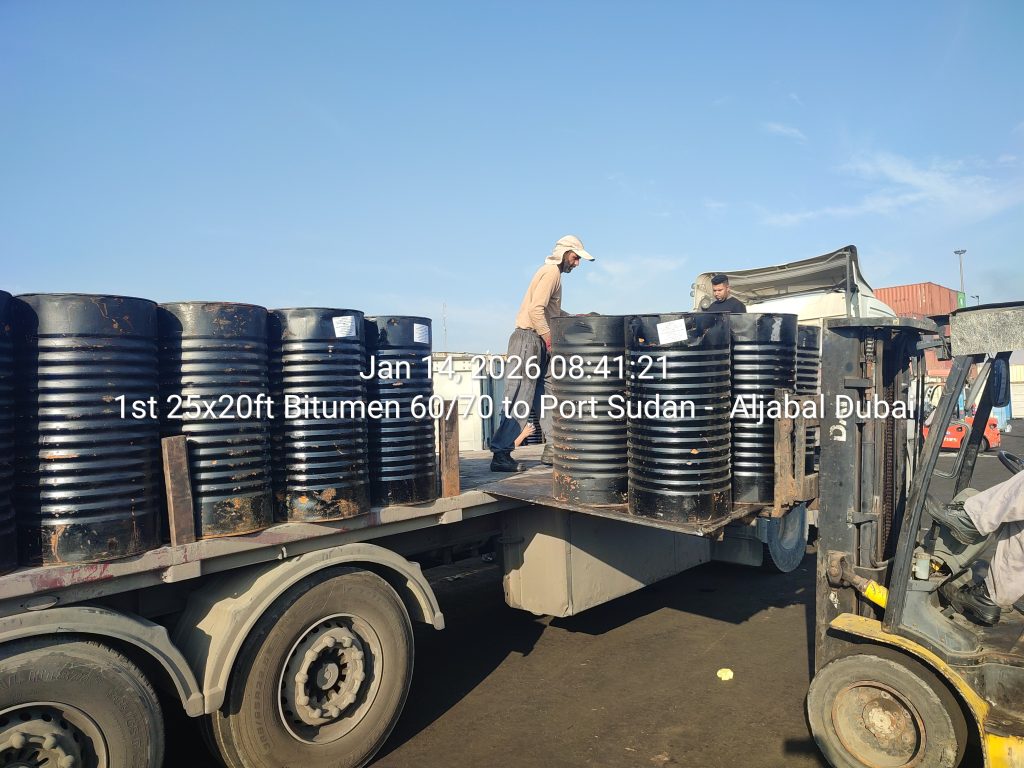
The transportation of bitumen to Pacific Coast markets has become increasingly important as infrastructure development accelerates across numerous countries. Roads, highways, airports, industrial facilities, and urban development projects all rely heavily on a consistent supply of high-quality bitumen. In this complex logistics environment, Aljabal Holding has emerged as a key player capable of managing the intricate process of transporting bitumen efficiently and safely.
From sourcing and storage to maritime shipping and final delivery, successful bitumen transportation requires expertise, precision, and robust logistics networks. This article explores the significance of bitumen transport to the Pacific Coast and highlights how Aljabal Holding contributes to this critical supply chain.
Understanding Bitumen and Its Importance
Bitumen is a highly viscous, black, petroleum-based material primarily used in road construction and waterproofing applications. It serves as the binding agent in asphalt mixtures, creating durable and resilient road surfaces capable of withstanding heavy traffic and varying weather conditions.
Without bitumen, modern transportation infrastructure would struggle to maintain the durability and performance expected by governments, businesses, and the public.
Key Applications of Bitumen
Bitumen plays a central role in several industries, including:
- Highway and road construction
- Airport runway paving
- Bridge development
- Waterproofing systems
- Roofing materials
- Industrial insulation projects
Its versatility makes it one of the most essential materials in global infrastructure development.
Global Demand for Bitumen
The worldwide demand for bitumen continues to grow due to rapid urbanization and infrastructure expansion. Developing economies are investing billions in transportation networks, while mature economies are upgrading aging infrastructure.
As new projects emerge across Pacific Coast regions, the need for reliable bitumen transportation solutions becomes even more critical. Supply disruptions can delay construction schedules, increase costs, and impact economic growth.
The logistics providers that can ensure uninterrupted delivery gain a significant competitive advantage.
Why the Pacific Coast Matters
The Pacific Coast serves as one of the world’s most important trade corridors. Its ports connect major markets across Asia, North America, South America, and Oceania.
These coastal regions often experience substantial infrastructure growth due to expanding populations, increased trade activity, and government investment initiatives. Consequently, the demand for construction materials such as bitumen remains consistently high.
Growing Infrastructure Projects Along the Pacific Coast
Numerous infrastructure projects contribute to rising bitumen consumption:
- Highway expansion programs
- Port modernization projects
- Urban transportation systems
- Airport developments
- Industrial zone construction
Each of these projects depends on a reliable supply chain capable of delivering bitumen on time and in optimal condition.
Aljabal Holding’s Role in Bitumen Transportation
Aljabal Holding has positioned itself as a trusted participant in international commodity logistics, particularly within the bitumen transportation sector. The company’s approach combines supply chain expertise, operational efficiency, and customer-focused solutions.
By coordinating sourcing, storage, transportation, and delivery activities, Aljabal Holding helps ensure that bitumen reaches Pacific Coast destinations without compromising quality.
Expertise in Logistics Management
One of the primary strengths of Aljabal Holding lies in its ability to manage complex logistics operations. Bitumen transportation involves more than simply moving cargo from one location to another.
The process requires:
- Careful route planning
- Specialized storage facilities
- Temperature-controlled transport systems
- Compliance with international regulations
- Real-time shipment monitoring
These capabilities help reduce delays and improve delivery reliability.
Supply Chain Process for Bitumen Transport
Transporting bitumen to Pacific Coast destinations involves multiple stages that must operate seamlessly together.
Procurement and Storage
The process begins with sourcing bitumen from qualified producers and refineries. Once procured, the product is stored in specialized tanks designed to maintain appropriate temperatures.
Storage facilities play a critical role because bitumen must remain within specific temperature ranges to preserve its physical properties.
Proper inventory management also helps prevent shortages and supports consistent customer supply.
Transportation and Delivery
After storage, bitumen is transported using suitable logistics solutions based on destination requirements. Depending on project size and location, shipments may involve road transportation, rail systems, marine vessels, or a combination of these methods.
Effective coordination ensures that delivery schedules align with construction timelines.
Quality Assurance Measures
Quality assurance remains essential throughout transportation. Aljabal Holding focuses on maintaining product integrity through:
- Continuous temperature monitoring
- Secure handling procedures
- Equipment inspections
- Documentation and traceability systems
- Compliance with industry standards
These measures help ensure that customers receive bitumen that meets required specifications.
Transportation Methods Used by Aljabal Holding
The transportation of bitumen requires specialized equipment capable of handling heated materials safely and efficiently.
Road Transportation
Road tankers provide flexibility for regional deliveries and final-mile distribution. They are particularly useful for supplying construction sites located away from major ports or rail terminals.
Road transportation offers:
- Direct delivery capabilities
- Flexible routing
- Rapid response to project demands
Rail Transportation
Rail systems provide a cost-effective solution for large-volume shipments over long distances. Specialized rail tank cars can transport significant quantities while maintaining temperature requirements.
Benefits include:
- Lower transportation costs
- Reduced road congestion
- Improved fuel efficiency
Marine Shipping Advantages
Marine transportation is often the preferred option for international bitumen shipments to Pacific Coast destinations.
Advantages include:
- High cargo capacity
- Competitive shipping costs
- Access to major port facilities
- Scalability for large infrastructure projects
Ocean freight enables the efficient movement of substantial volumes across global markets.
Challenges in Bitumen Transport
Transporting bitumen is not without challenges. The material’s unique properties require careful management throughout the logistics process.
Temperature Control Requirements
Bitumen must remain heated during transportation to maintain proper viscosity. If temperatures drop excessively, the product can become difficult to unload and use.
Temperature management systems therefore represent a critical component of successful bitumen logistics.
Advanced monitoring technologies help operators maintain consistent conditions throughout transit.
Regulatory Compliance
International transportation involves numerous regulations governing safety, environmental protection, customs procedures, and cargo handling.
Compliance requires:
- Proper documentation
- Safety certifications
- Environmental adherence
- Trained personnel
Failure to meet these requirements can result in delays, penalties, and operational disruptions.
Environmental Considerations
Sustainability has become an increasingly important aspect of logistics operations worldwide.
Companies involved in bitumen transportation are exploring methods to reduce environmental impact through:
- Fuel-efficient transportation systems
- Route optimization technologies
- Reduced emissions strategies
- Improved energy management practices
These initiatives support both operational efficiency and environmental responsibility.
As global sustainability standards evolve, logistics providers must continue adapting to meet changing expectations.
Benefits of Choosing Aljabal Holding
Organizations seeking dependable bitumen transportation solutions often prioritize reliability, safety, and efficiency.
Aljabal Holding offers several advantages:
- Comprehensive logistics expertise
- International transportation capabilities
- Quality-focused operations
- Flexible delivery solutions
- Strong supply chain coordination
- Commitment to customer satisfaction
These strengths enable the company to support infrastructure projects of varying sizes and complexities.
Reliability and Timely Deliveries
Construction projects operate on strict schedules. Delayed material deliveries can lead to costly setbacks and resource inefficiencies.
By emphasizing planning, monitoring, and coordination, Aljabal Holding helps customers maintain project momentum and minimize disruptions.
Reliability often becomes the difference between project success and project delays.
Future of Bitumen Logistics to the Pacific Coast
The future of bitumen transportation is expected to be shaped by technological innovation, increasing infrastructure investment, and sustainability initiatives.
Several emerging trends include:
- Digital shipment tracking
- Smart logistics platforms
- Predictive supply chain analytics
- Enhanced temperature monitoring systems
- Sustainable transportation practices
As Pacific Coast economies continue expanding, demand for efficient bitumen logistics services is likely to remain strong.
Companies capable of integrating technology with operational excellence will be well-positioned to support future infrastructure development.
Conclusion
Bitumen transportation to Pacific Coast markets is a vital component of global infrastructure development. The process requires specialized expertise, rigorous quality control, and efficient logistics management to ensure that materials arrive safely and on schedule.
Aljabal Holding plays an important role in this ecosystem by providing comprehensive transportation solutions that support construction and development projects across diverse markets. Through strategic planning, reliable delivery systems, and a commitment to operational excellence, the company helps bridge the gap between bitumen producers and Pacific Coast infrastructure projects.
As global demand for transportation networks, urban development, and industrial expansion continues to grow, efficient bitumen logistics will remain essential—and organizations like Aljabal Holding will continue contributing to the success of these critical initiatives.
FAQs
1. What is bitumen primarily used for?
Bitumen is primarily used in road construction as a binding material in asphalt, as well as in waterproofing and roofing applications.
2. Why is temperature control important during bitumen transport?
Bitumen must remain heated to maintain its viscosity and usability. Improper temperatures can affect product quality and unloading efficiency.
3. Why is the Pacific Coast a significant destination for bitumen shipments?
The Pacific Coast hosts major infrastructure projects, expanding urban centers, and strategic ports that require substantial quantities of construction materials.
4. What transportation methods are commonly used for bitumen logistics?
Bitumen is typically transported through road tankers, rail tank cars, and marine vessels depending on shipment volume and destination.
5. How does Aljabal Holding support bitumen transportation operations?
Aljabal Holding provides logistics coordination, transportation management, quality assurance, storage solutions, and timely delivery services for bitumen shipments destined for Pacific Coast markets.