
Understanding Bitumen and Its Market Importance
What is Bitumen?
Bitumen, often referred to as asphalt in many parts of the world, is one of those materials that quietly powers modern infrastructure without most people ever thinking about it. Every time you drive on a highway, walk on a paved road, or land at an airport, you’re interacting with bitumen in some form. It’s a sticky, black, and highly viscous petroleum product derived from crude oil refining, making it deeply tied to global energy markets. Because of this connection, even small fluctuations in oil prices can ripple through the construction industry like a domino effect.
What makes bitumen particularly fascinating is its versatility. It isn’t just used for roads; it’s also widely applied in waterproofing, roofing, industrial coatings, and even soundproofing solutions. Its durability and resistance to water make it indispensable in both urban and rural infrastructure projects. Contractors rely on specific grades like Bitumen 60/70, which strikes a balance between hardness and flexibility, making it suitable for a wide range of climates.
In 2026, the demand for bitumen has surged significantly, driven by massive infrastructure investments worldwide. Governments across Asia, Africa, and the Middle East are pouring billions into highways, smart cities, and transportation networks. This rising demand has made bitumen pricing a critical factor in project budgeting. When you’re dealing with tens of thousands of tons for a single project, even a $10 fluctuation per ton can dramatically affect total costs.
Why Bitumen Prices Matter in 2026
If you’re involved in construction, procurement, or infrastructure planning, bitumen prices aren’t just numbers—they’re strategic indicators. Imagine planning a large highway project with a tight budget, only to see prices spike unexpectedly. That’s why understanding current pricing trends, especially from major suppliers like Aljabal Holding, is essential in 2026.
The global construction boom has made bitumen one of the most in-demand petroleum derivatives. According to recent market data, infrastructure spending continues to rise sharply, especially in developing regions. This has created a competitive market where supply chains are constantly under pressure.
Another major reason prices matter is contract bidding. Contractors often lock in prices months in advance, and inaccurate estimates can either lead to financial losses or lost bids. The volatility of oil prices—currently hovering around $100 per barrel globally—adds another layer of complexity.
In simple terms, tracking bitumen prices is like watching the pulse of the construction industry. It tells you when to buy, when to wait, and how to plan effectively. And in April 2026, that pulse is beating faster than ever.
Global Bitumen Price Overview (April 2026)
Latest Bitumen Prices Worldwide
As of April 2026, global bitumen prices show a strong upward trend, largely influenced by rising crude oil costs and tightening supply chains. Recent data indicates that Bitumen 60/70 prices range between $434 and $449 per ton (FOB Jebel Ali), making it one of the most widely traded grades globally.
Here’s a quick snapshot of current prices:
| Bitumen Type | Price (USD/MT) | Location |
|---|---|---|
| Bitumen 60/70 | ~$567 | FOB Jebel Ali |
| Bitumen VG30 | ~$436 | Middle East |
| Bitumen PG 76-10 | ~$616 | Export markets |
These numbers reveal an interesting pattern. Prices vary significantly depending on the export hub, packaging type, and logistics involved. For instance, bitumen exported from UAE ports tends to be more expensive due to higher operational and regulatory costs compared to other ports in region.
Another key observation is the steady increase in prices compared to previous months. Reports suggest that supply constraints and refinery limitations are pushing prices upward, especially in Asia and the Middle East.
Price Comparison by Region
The global bitumen market isn’t uniform—far from it. Prices fluctuate across regions based on demand, logistics, and local economic conditions. Here’s a simplified comparison:
| Region | Average Price (USD/MT) |
|---|---|
| Middle East | $370 – $450 |
| South Asia | $430 – $480 |
| Africa | $450 – $500 |
| Southeast Asia | $460 – $510 |
The Middle East remains the most competitive region due to its proximity to crude oil sources and established refining infrastructure. However, African and Southeast Asian markets often see higher prices due to shipping costs and limited local production.
Aljabal Holding Bitumen Price April 2026
Average Price Per Ton
When it comes to reliable suppliers, Aljabal Holding stands out as a key player in the global bitumen trade. In April 2026, their pricing for Bitumen 60/70 typically falls within the range of $390 to $430 per metric ton (FOB Middle East ports).
This pricing positions them competitively within the global market, especially for bulk buyers looking to optimize costs. Their ability to offer consistent quality while maintaining competitive rates makes them a preferred choice for contractors and importers worldwide.
Price Variations by Order Size
One of the most important aspects of Aljabal Holding’s pricing strategy is scalability. The larger your order, the better the price per ton. Here’s how it generally breaks down:
| Order Size | Price (USD/MT) |
|---|---|
| Small (<500 MT) | ~$430 |
| Medium (500–1000 MT) | ~$410 |
| Bulk (1000+ MT) | ~$390 |
This tiered pricing model encourages bulk purchasing, which is especially beneficial for large infrastructure projects. It’s a classic case of economies of scale in action.
Key Factors Influencing Bitumen Prices
Crude Oil Price Impact
Bitumen pricing is tightly linked to crude oil because it’s a byproduct of the refining process. When oil prices rise, bitumen prices almost always follow. In April 2026, crude oil benchmarks like Brent and WTI are hovering around $100–$105 per barrel, significantly influencing bitumen costs.
Supply and Demand Trends
Demand for bitumen is at an all-time high due to global infrastructure expansion. At the same time, supply is constrained by refinery output and geopolitical factors. This imbalance is one of the main reasons prices remain elevated.
Freight and Logistics Costs
Shipping costs are another major factor. Freight rates from the Middle East to regions like India range between $25 and $45 per ton, depending on various logistical conditions. This adds a significant layer to the final landed cost.
Types of Bitumen and Their Pricing
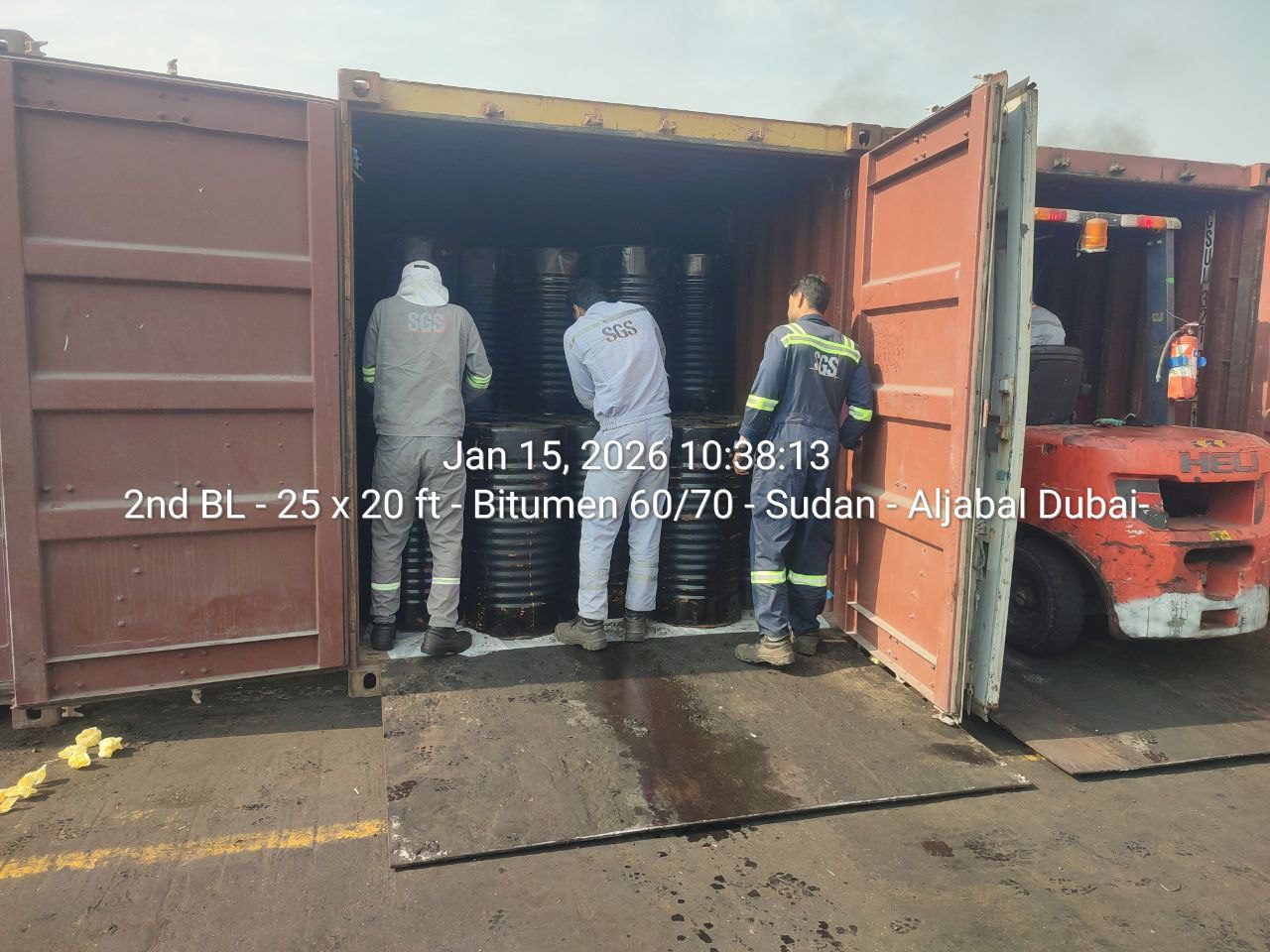
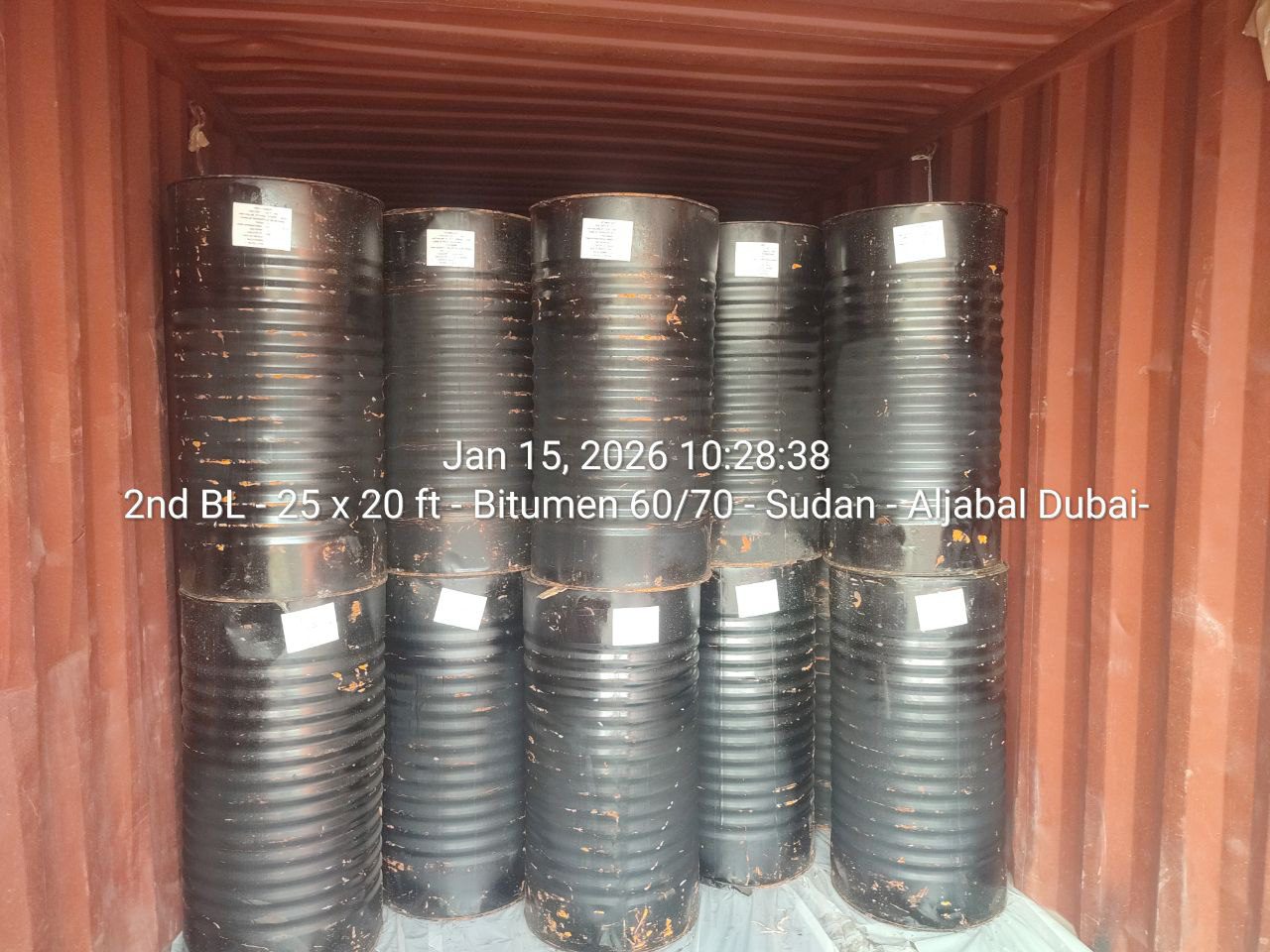
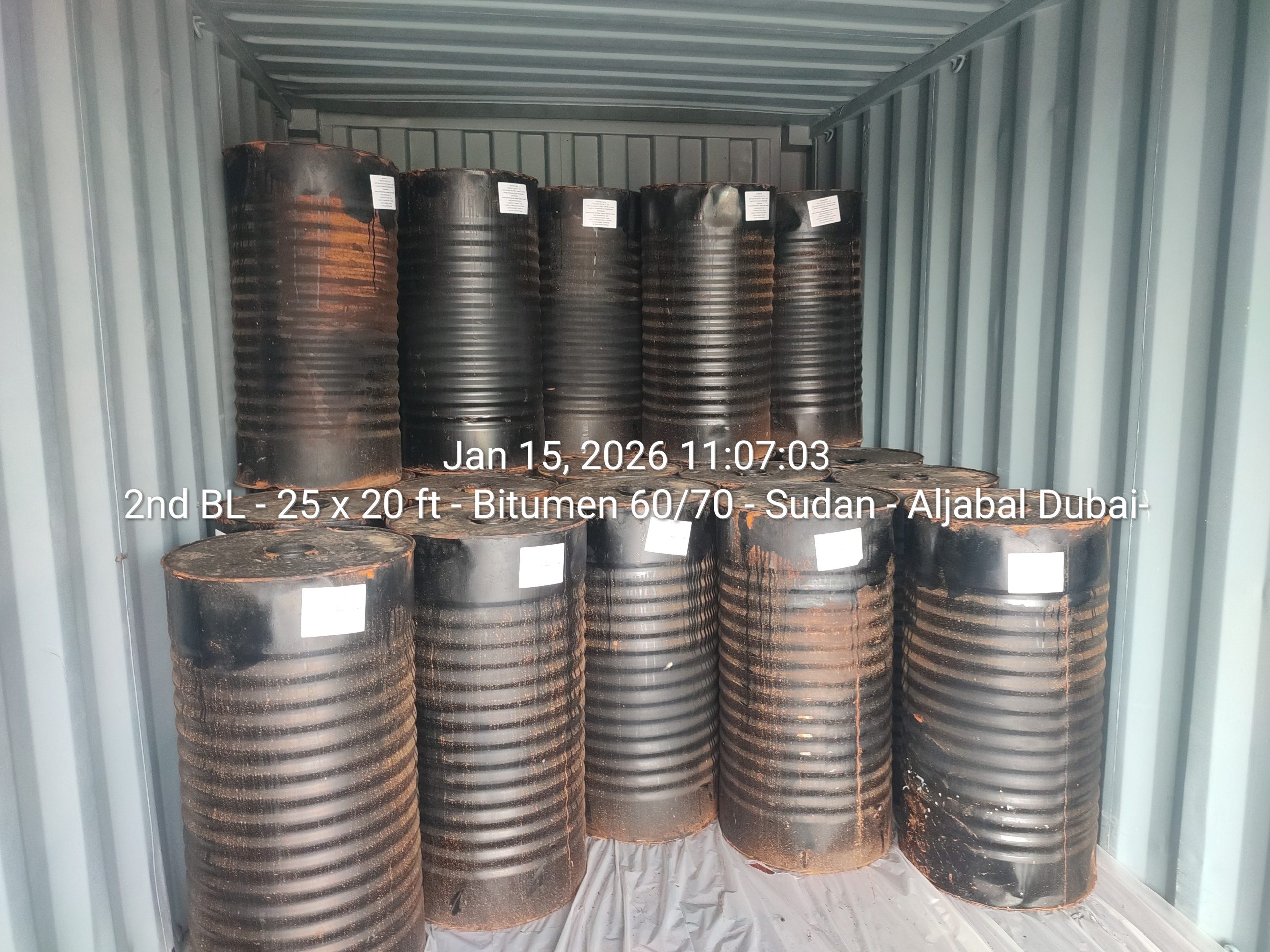
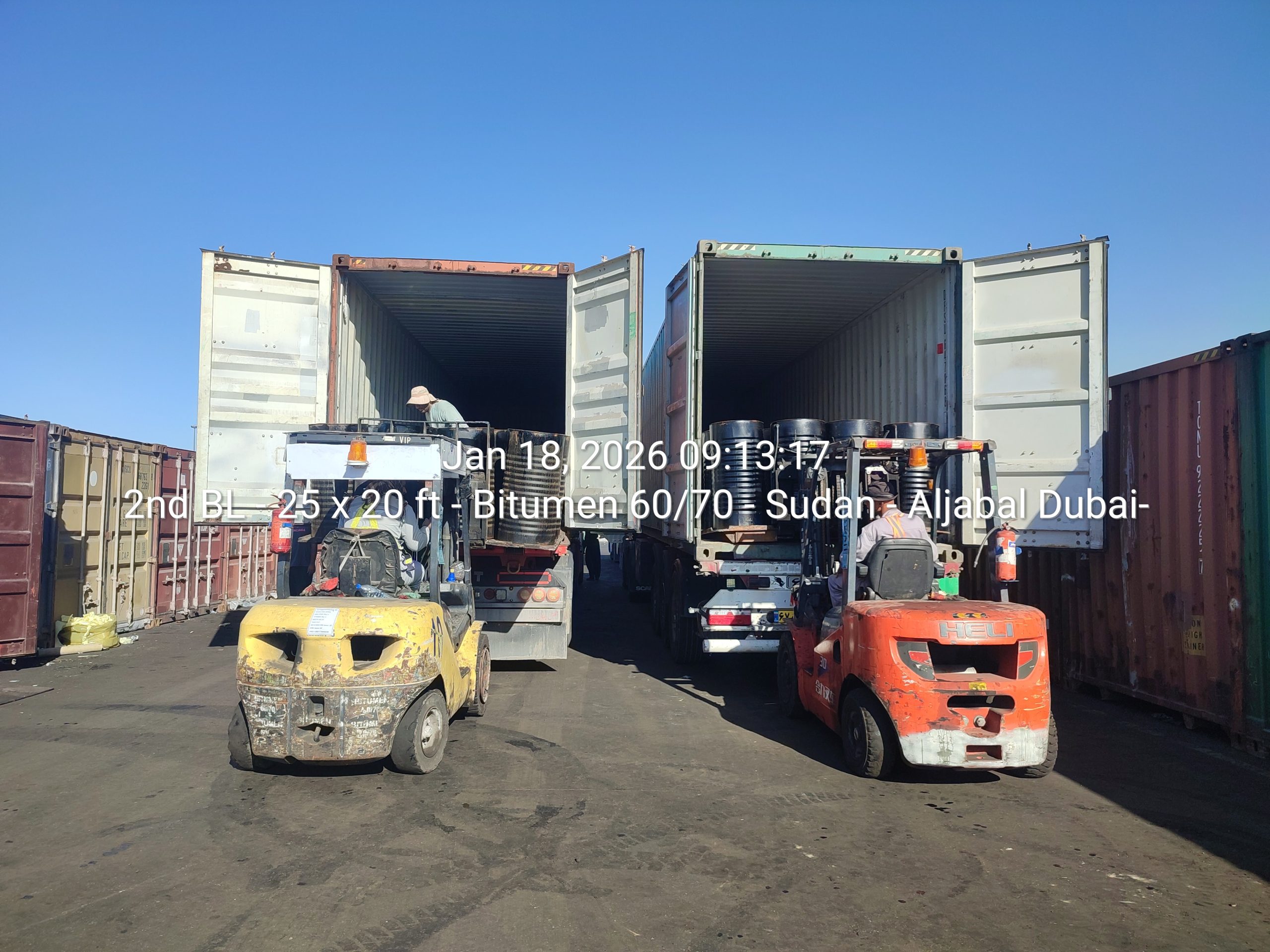
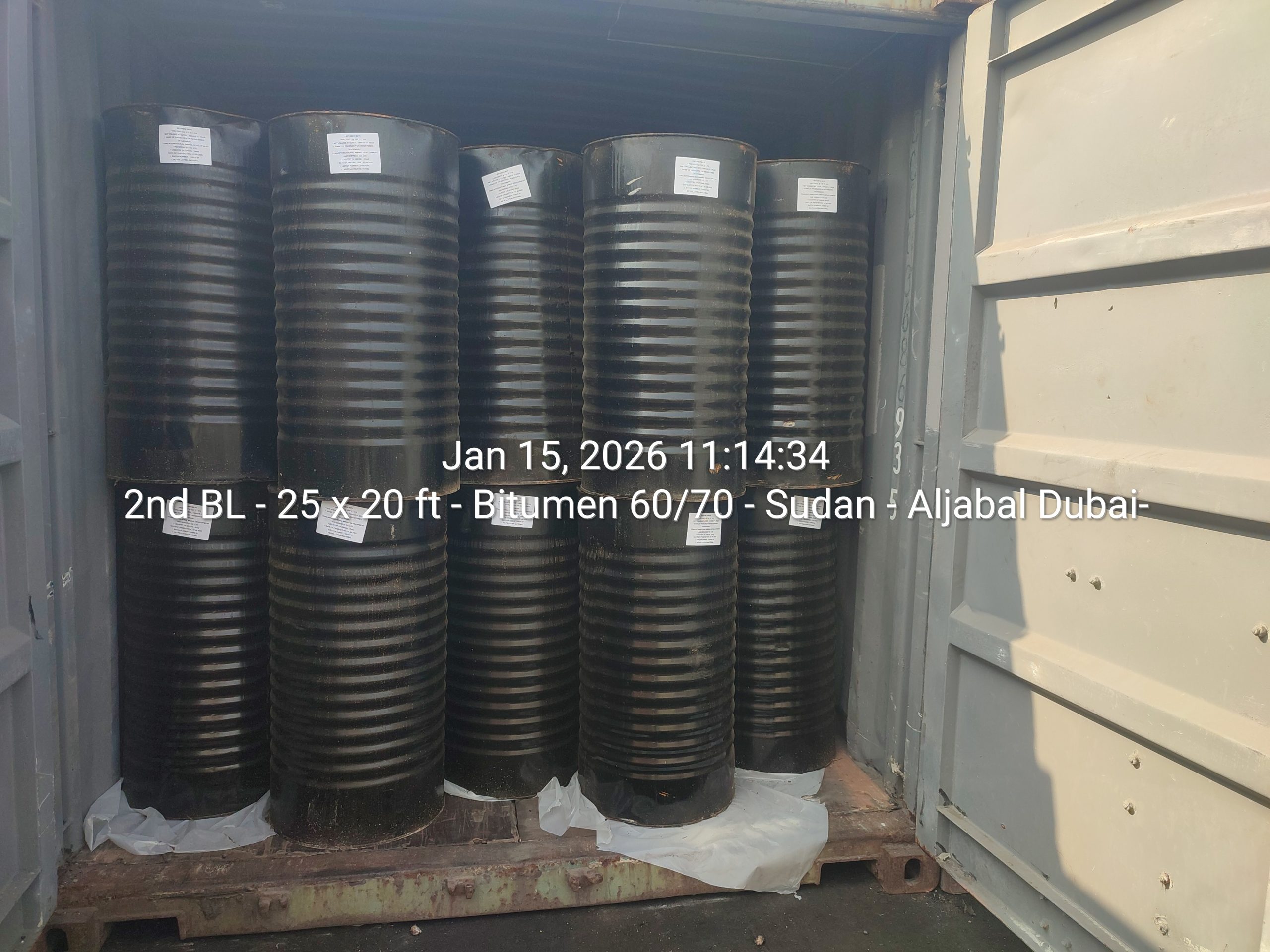
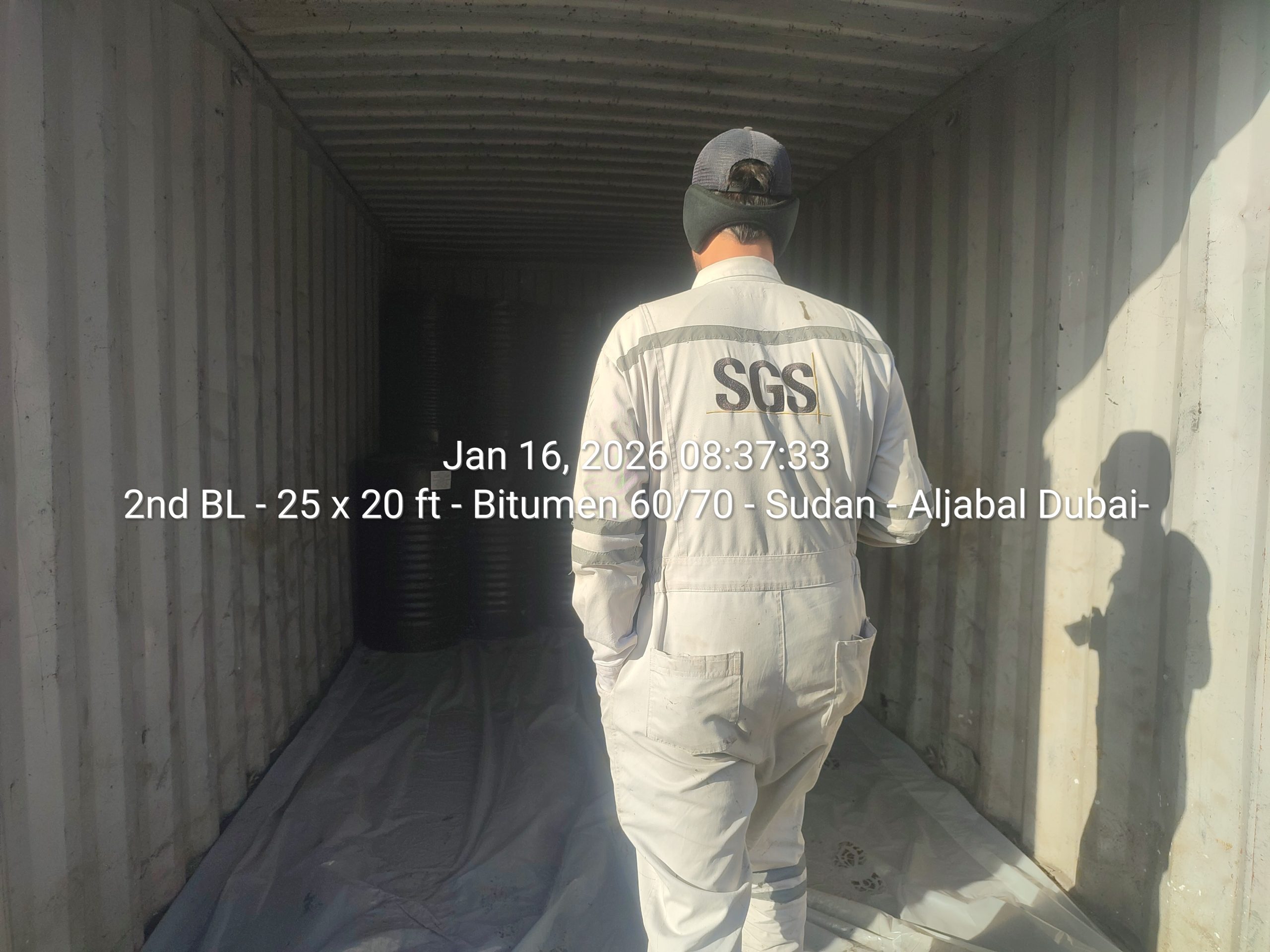
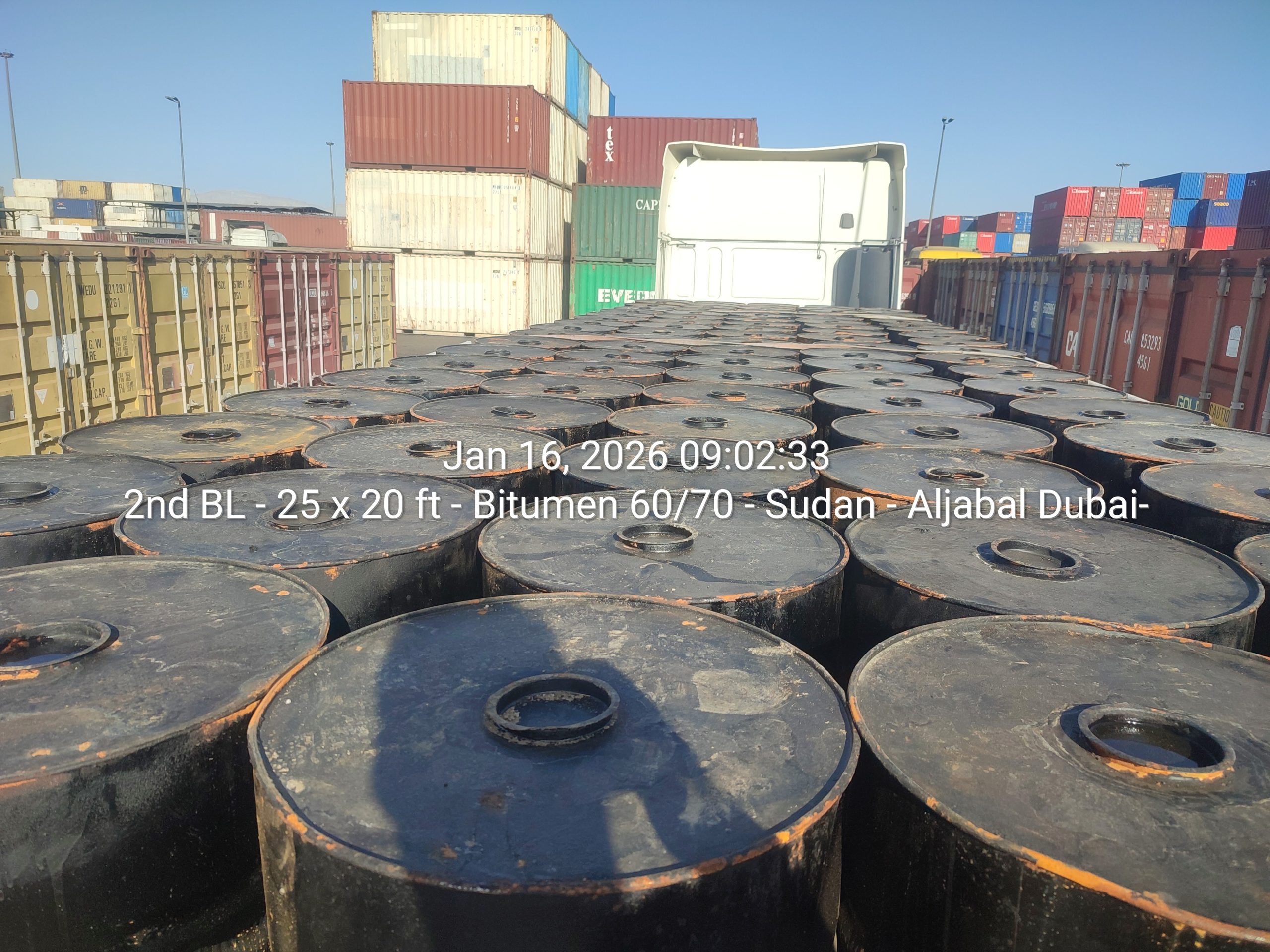
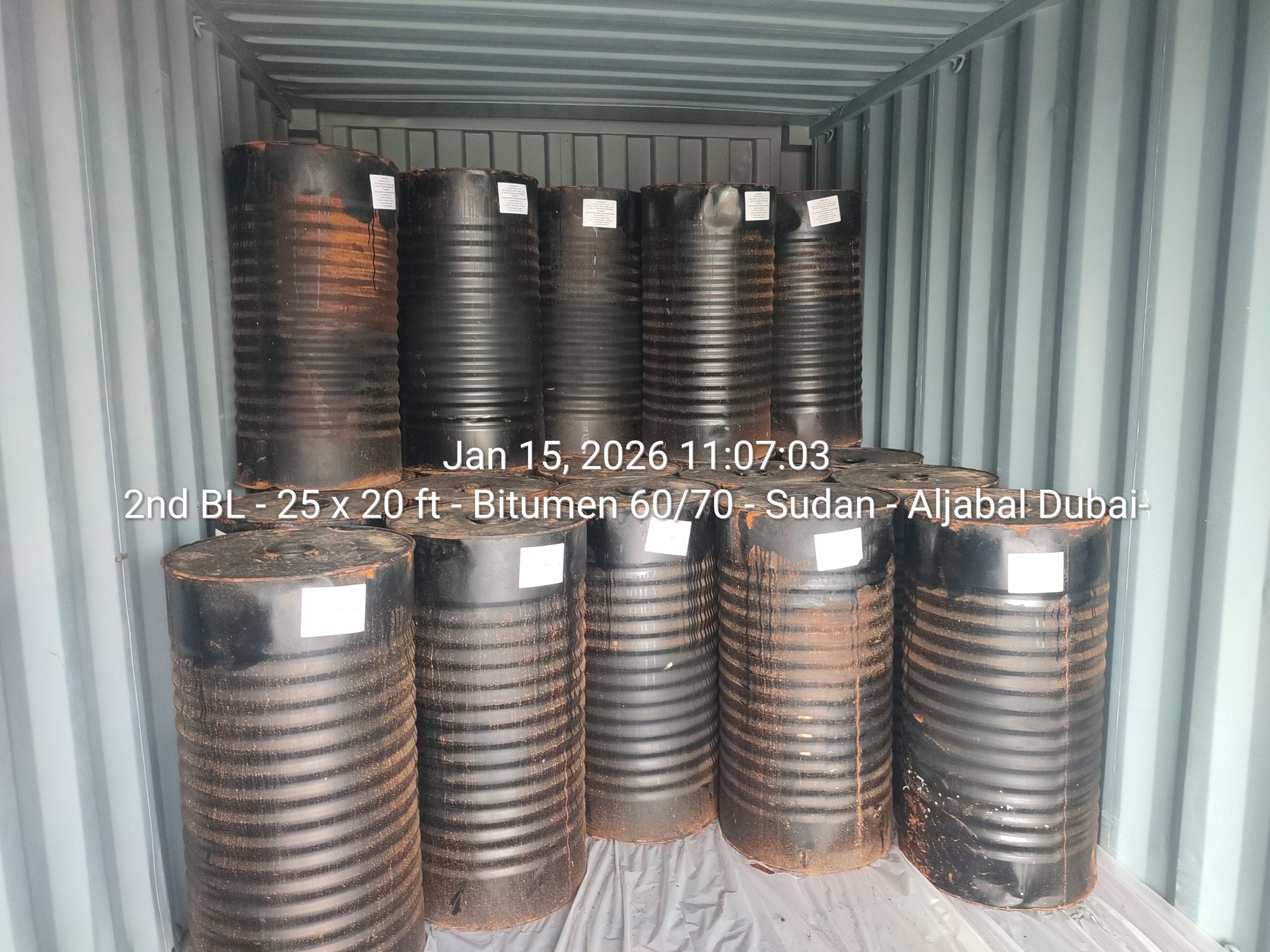
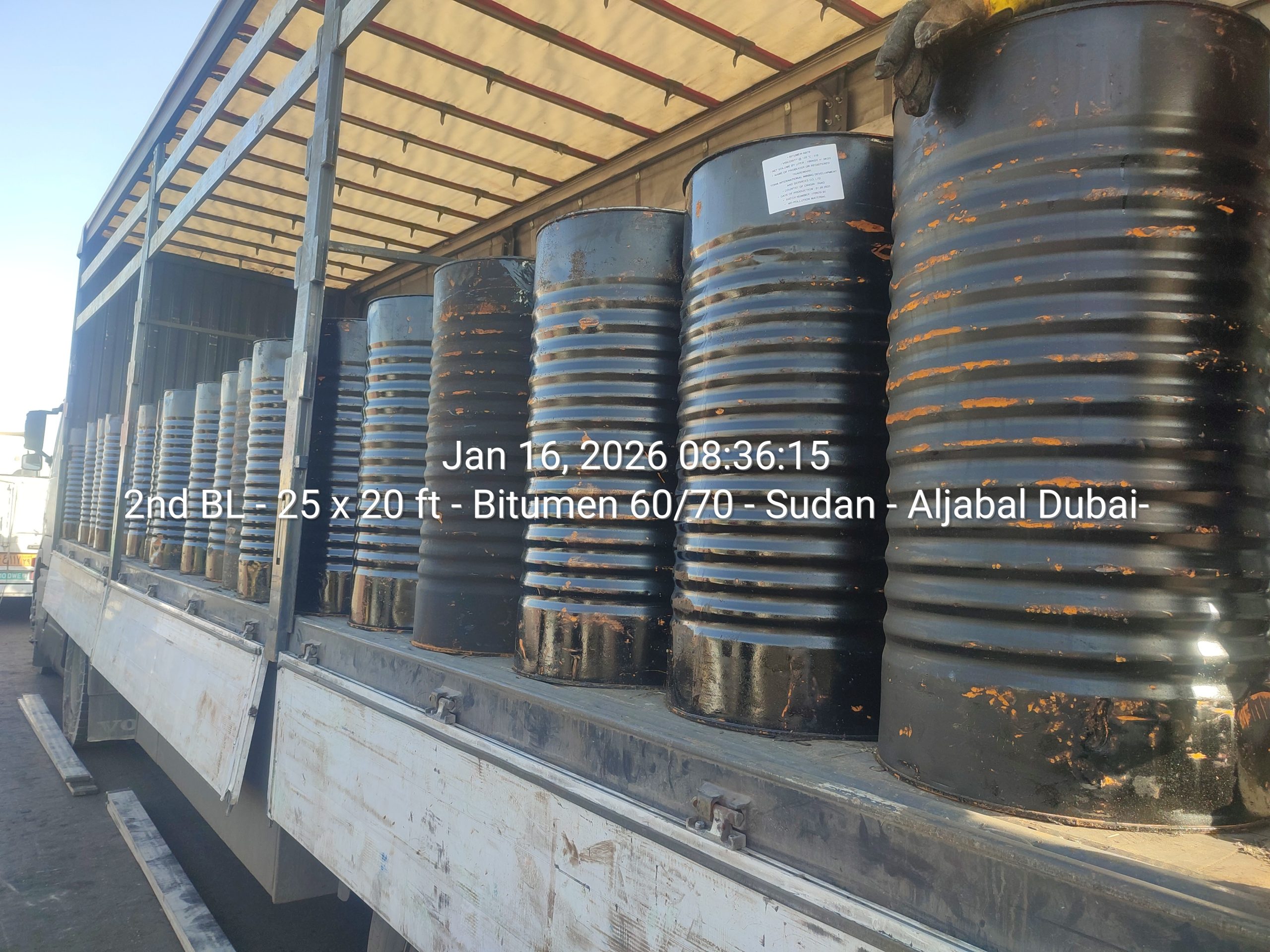
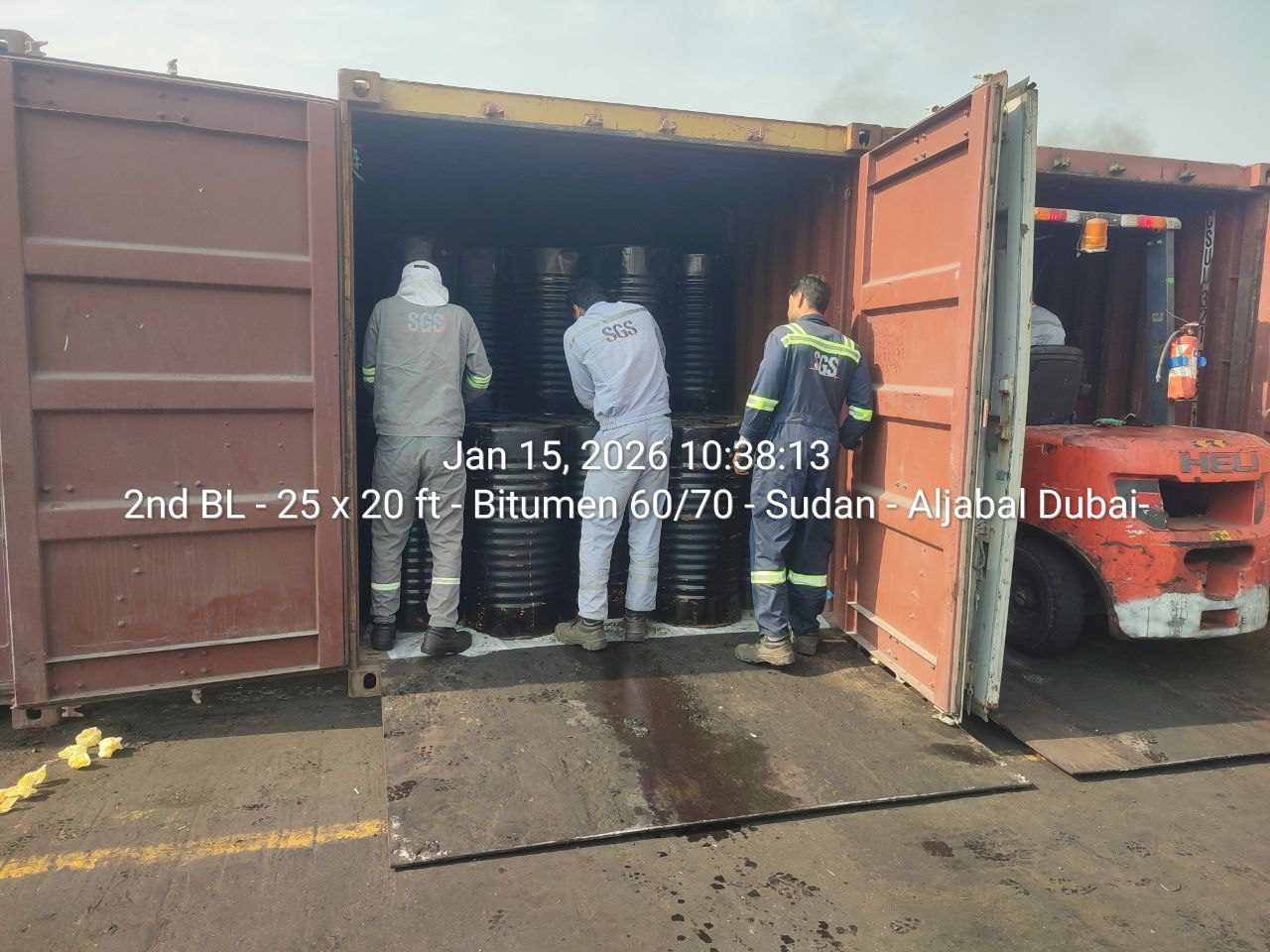
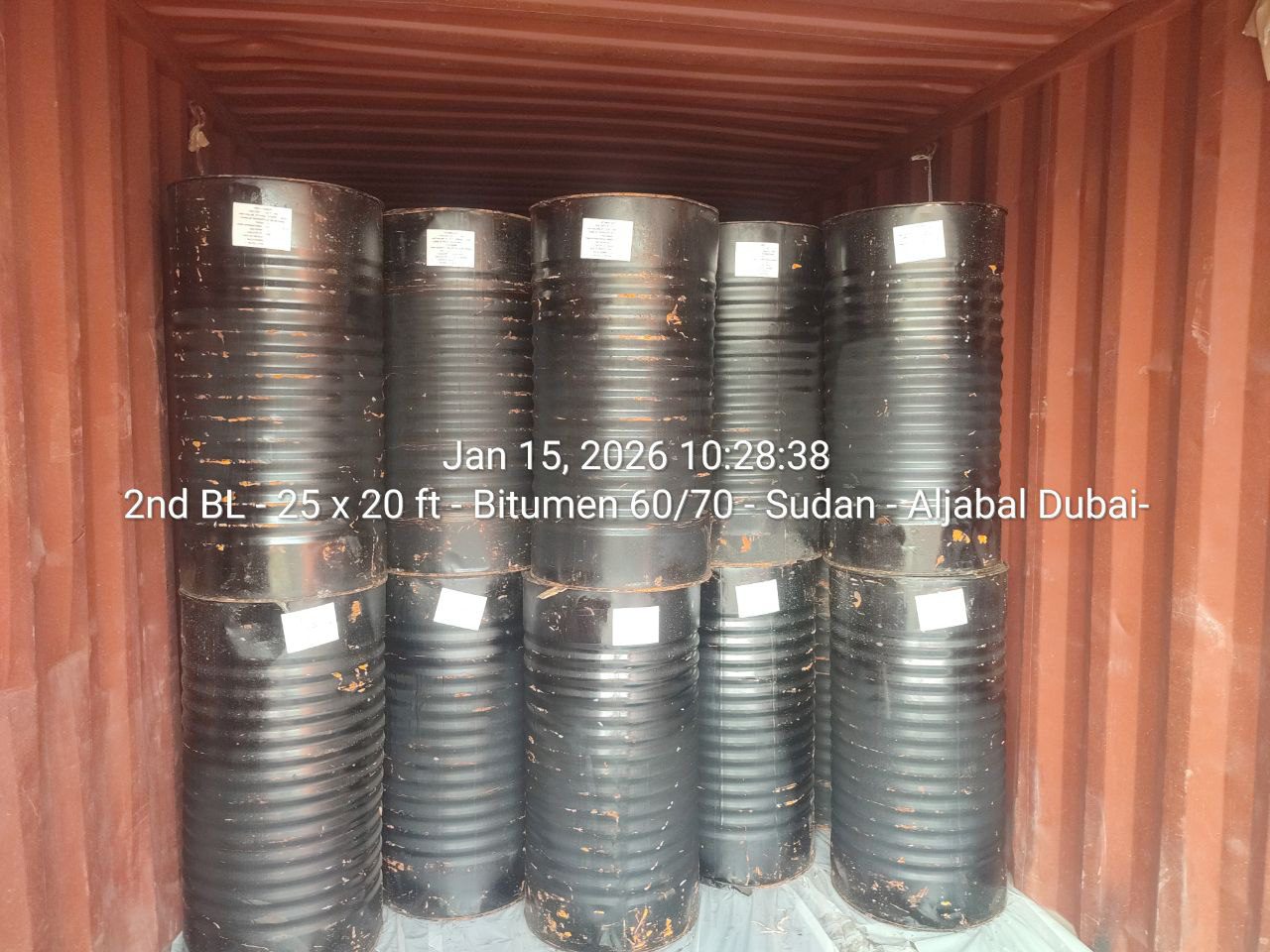
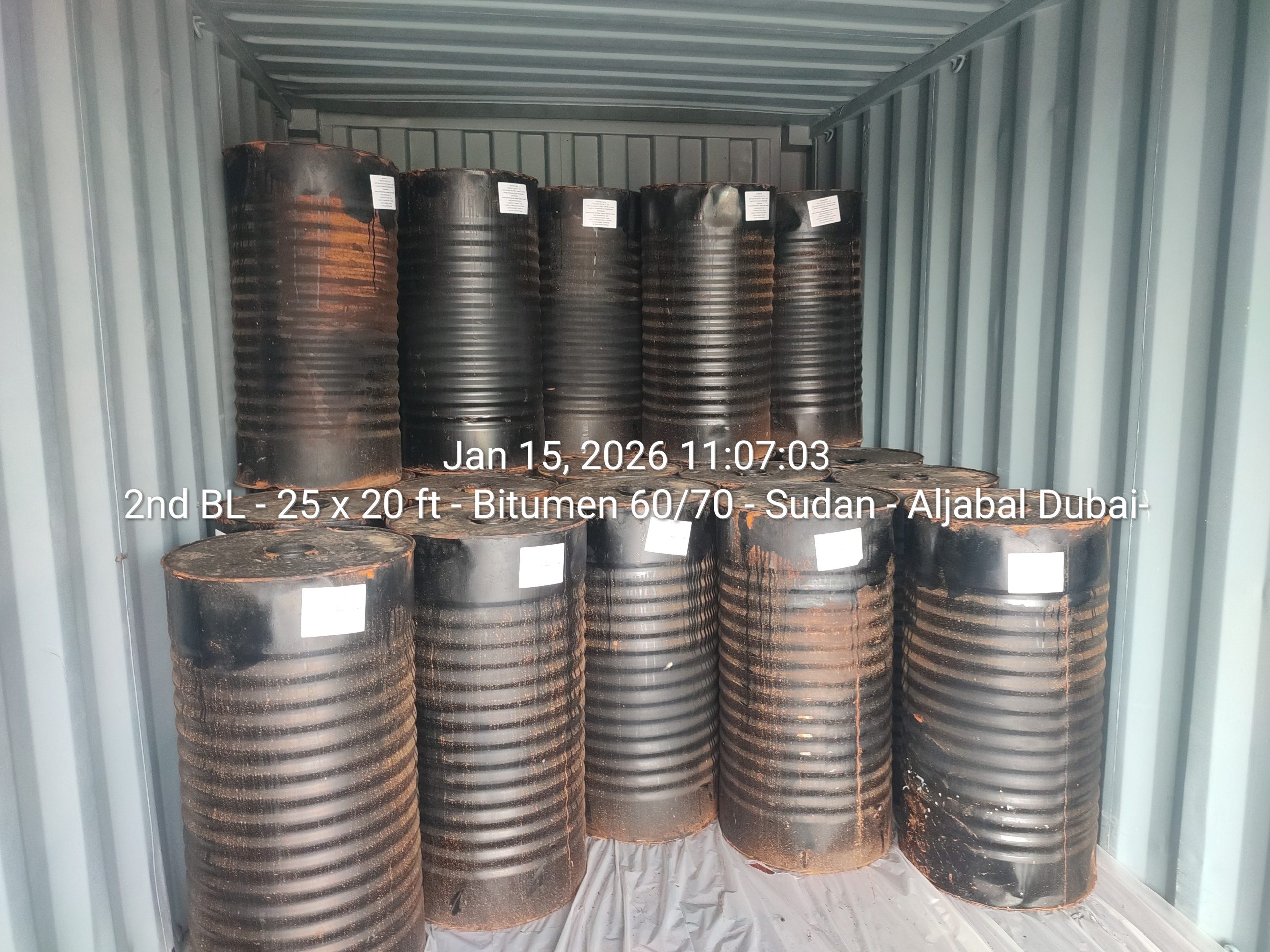
Bitumen 60/70 Pricing
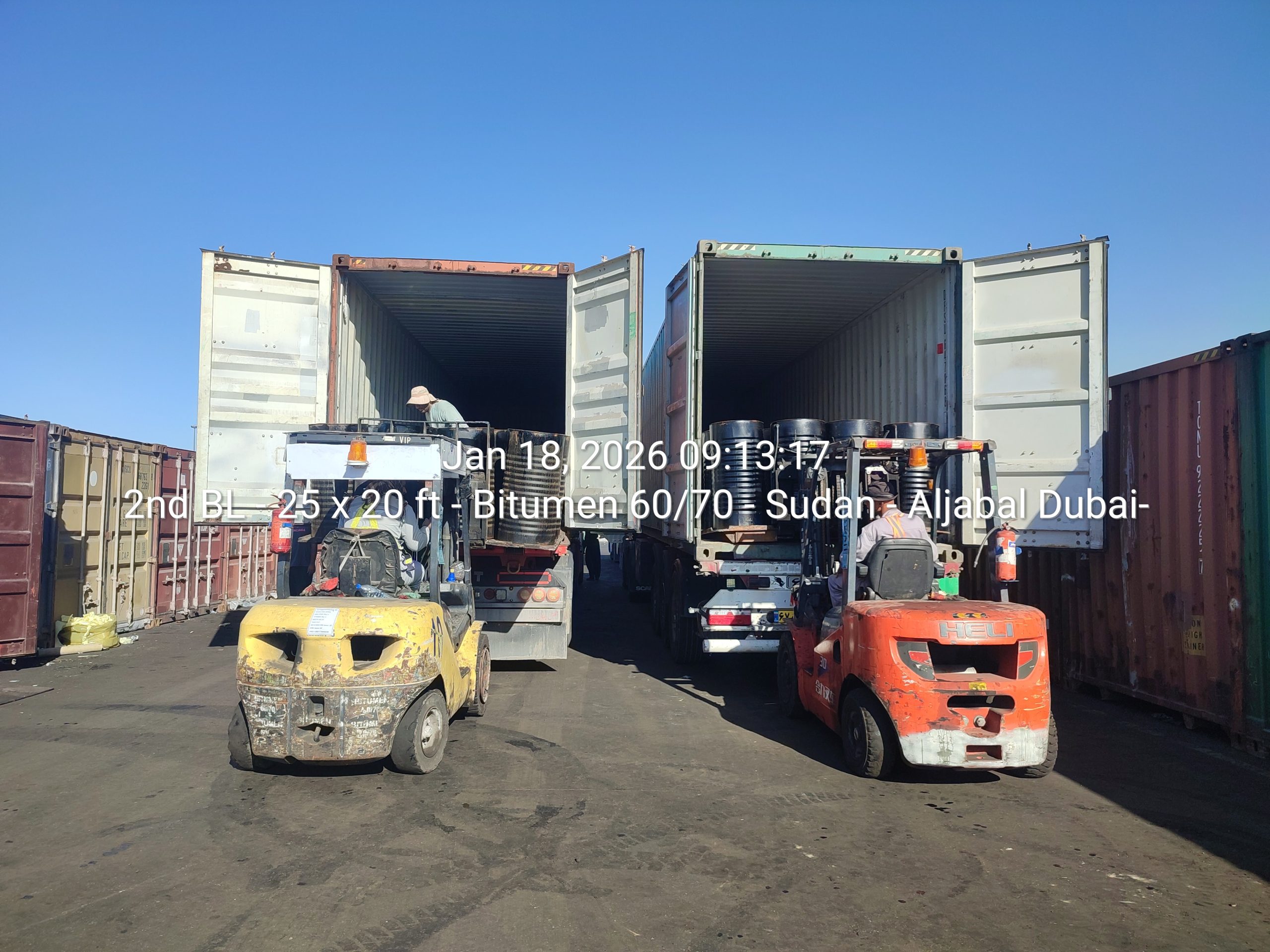
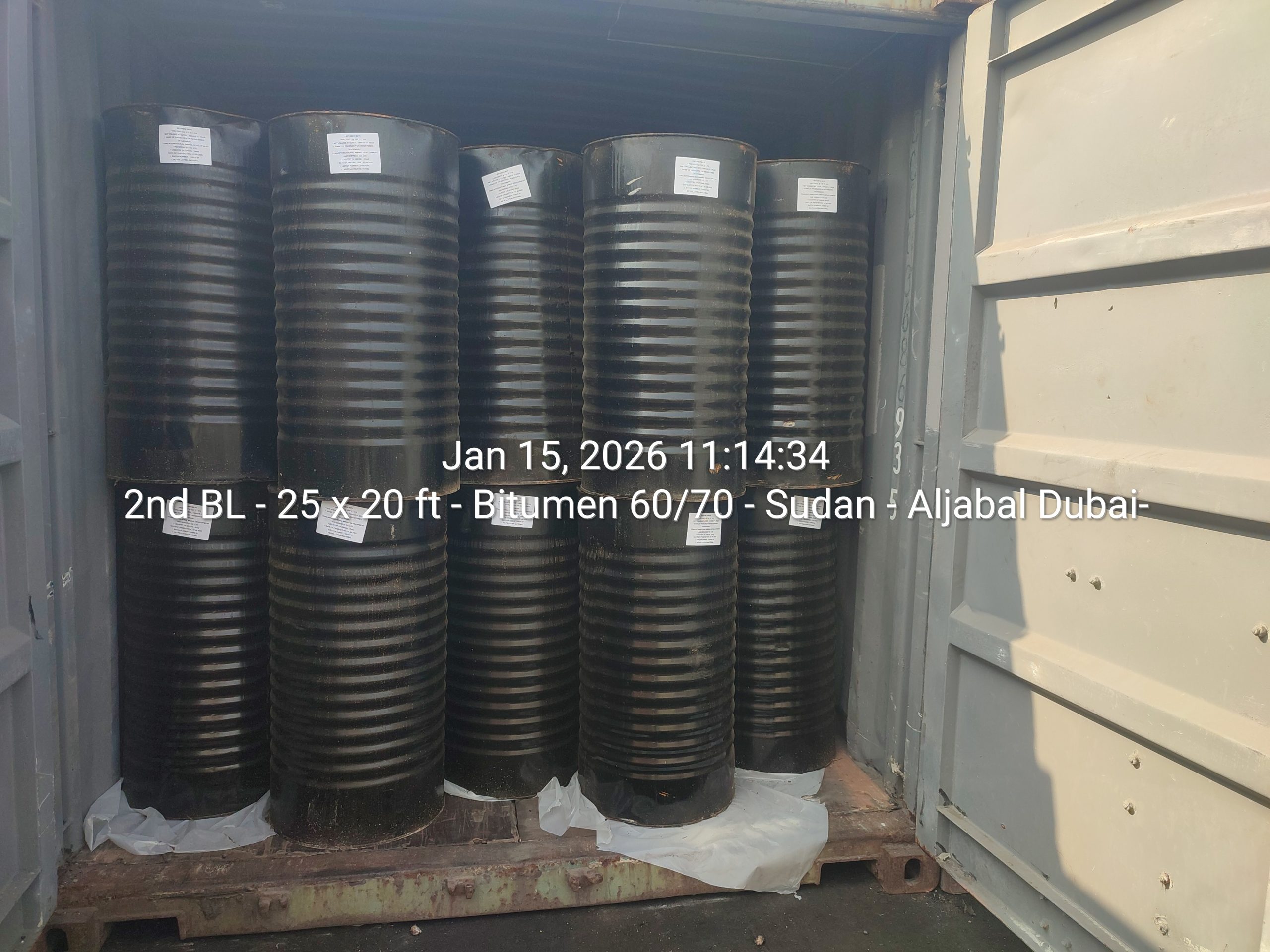
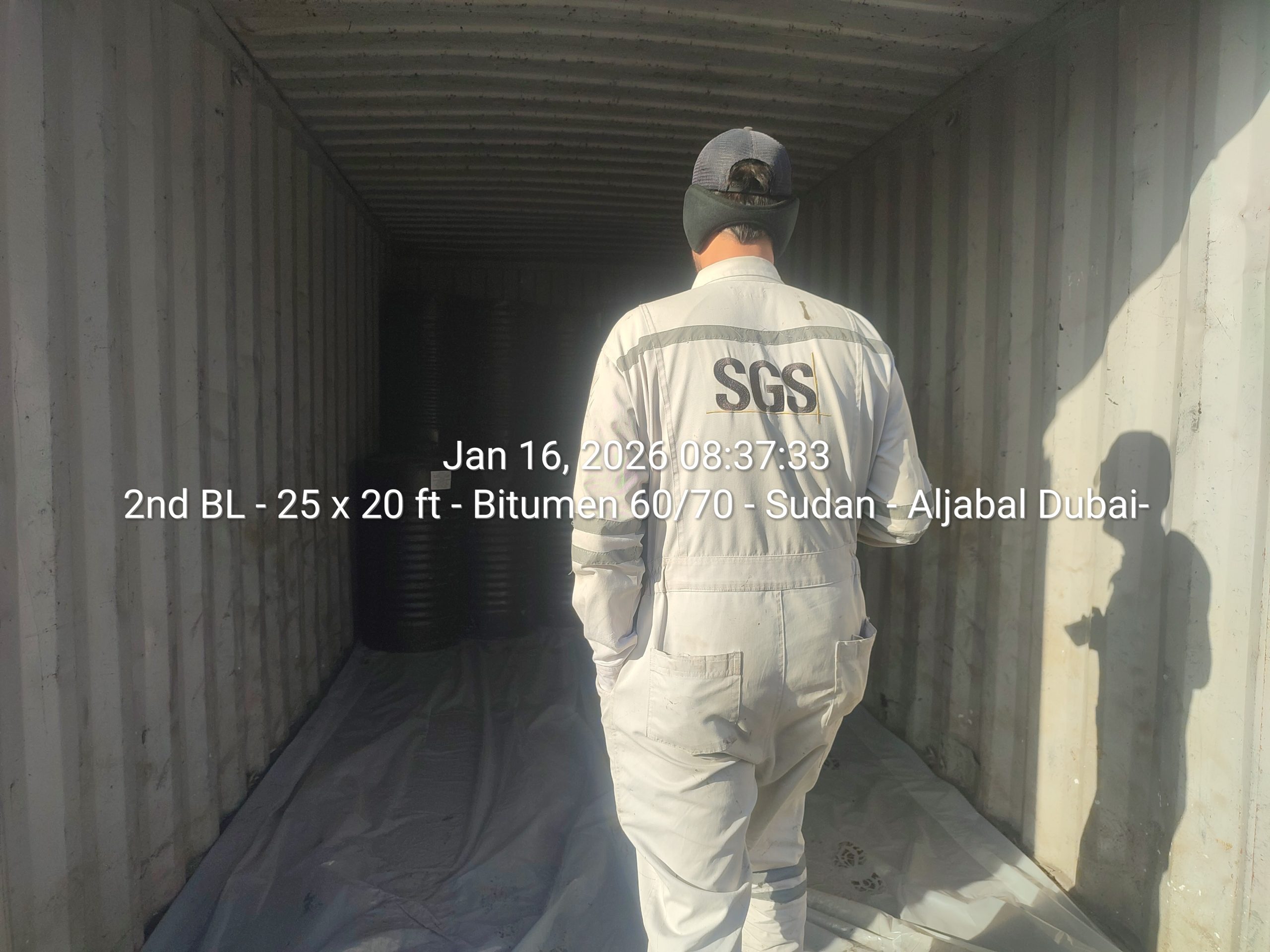
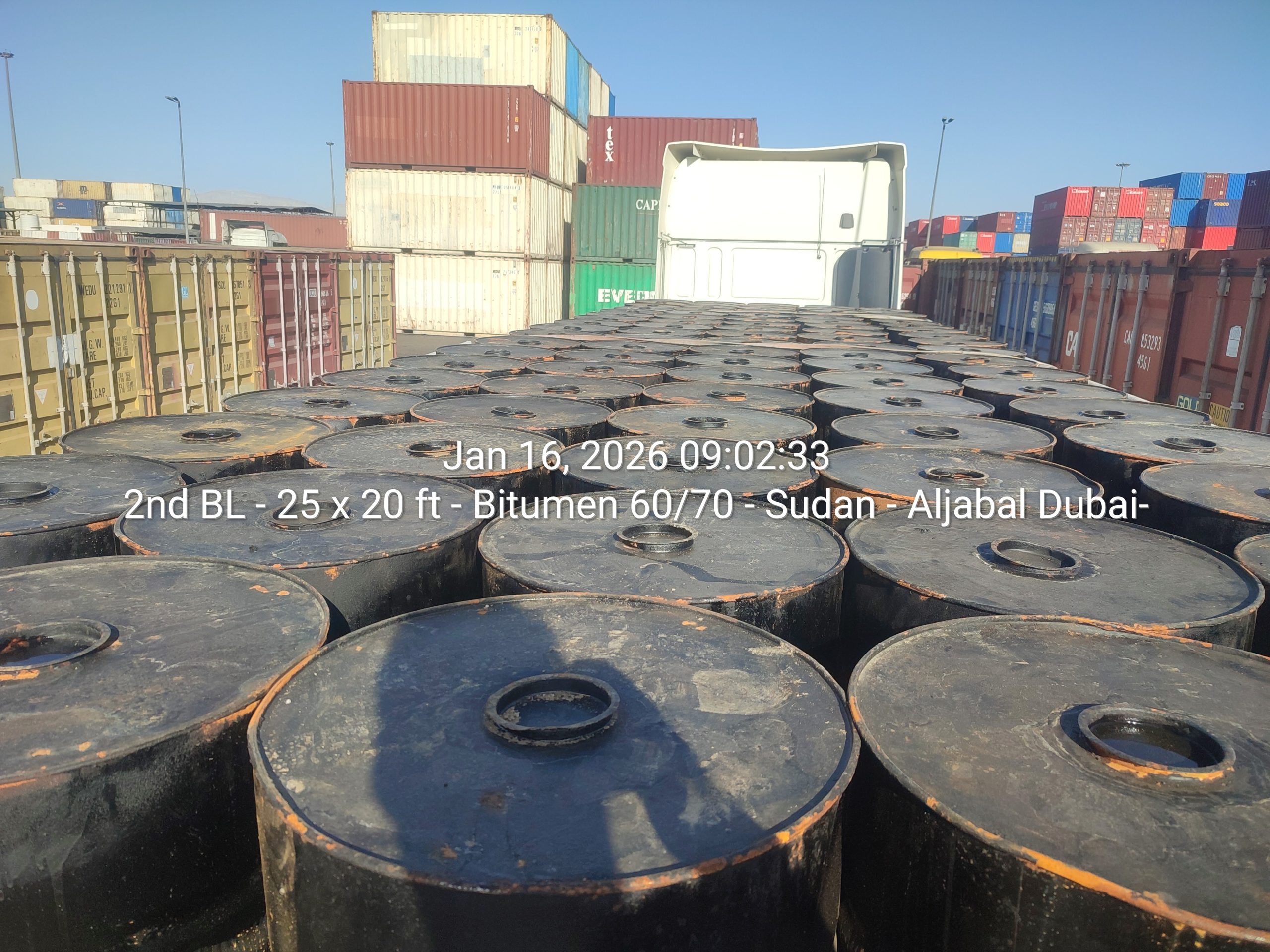
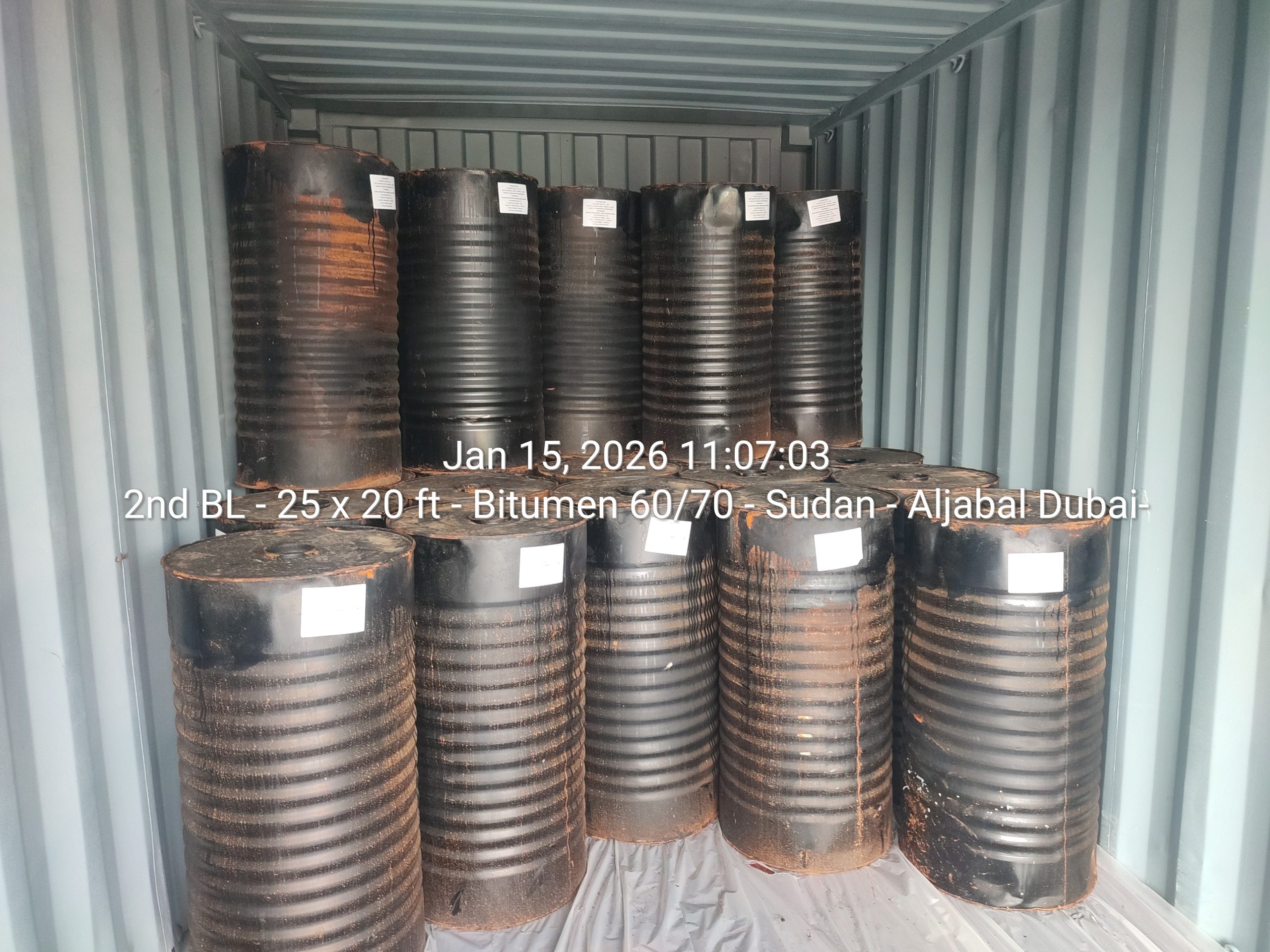
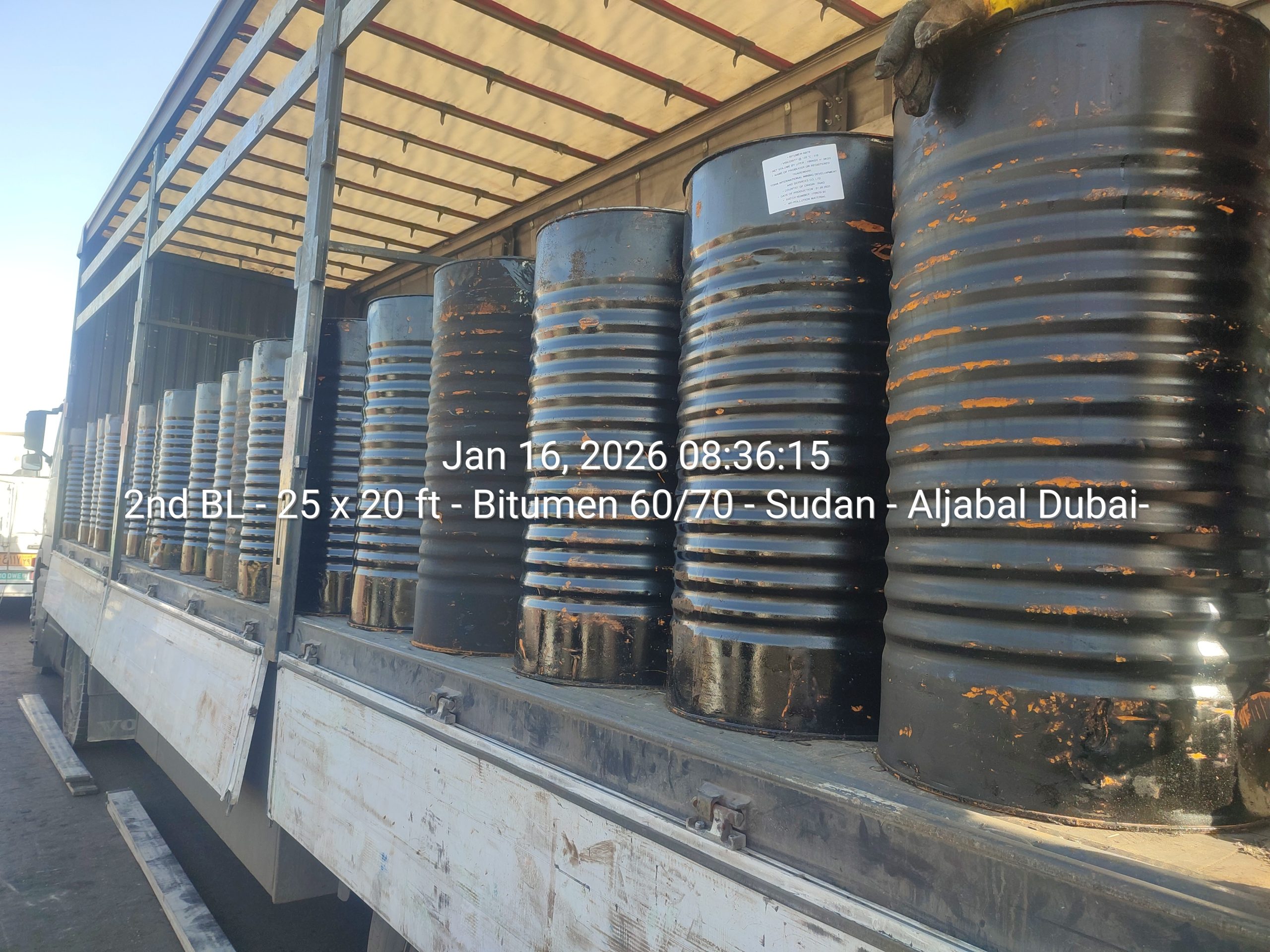
Bitumen 60/70 remains the most popular grade due to its versatility. Its pricing in April 2026 reflects both strong demand and stable supply chains.
Other Grades and Their Rates
Other grades like VG30, VG40, and oxidized bitumen have slightly different price ranges, often influenced by their specific industrial applications.
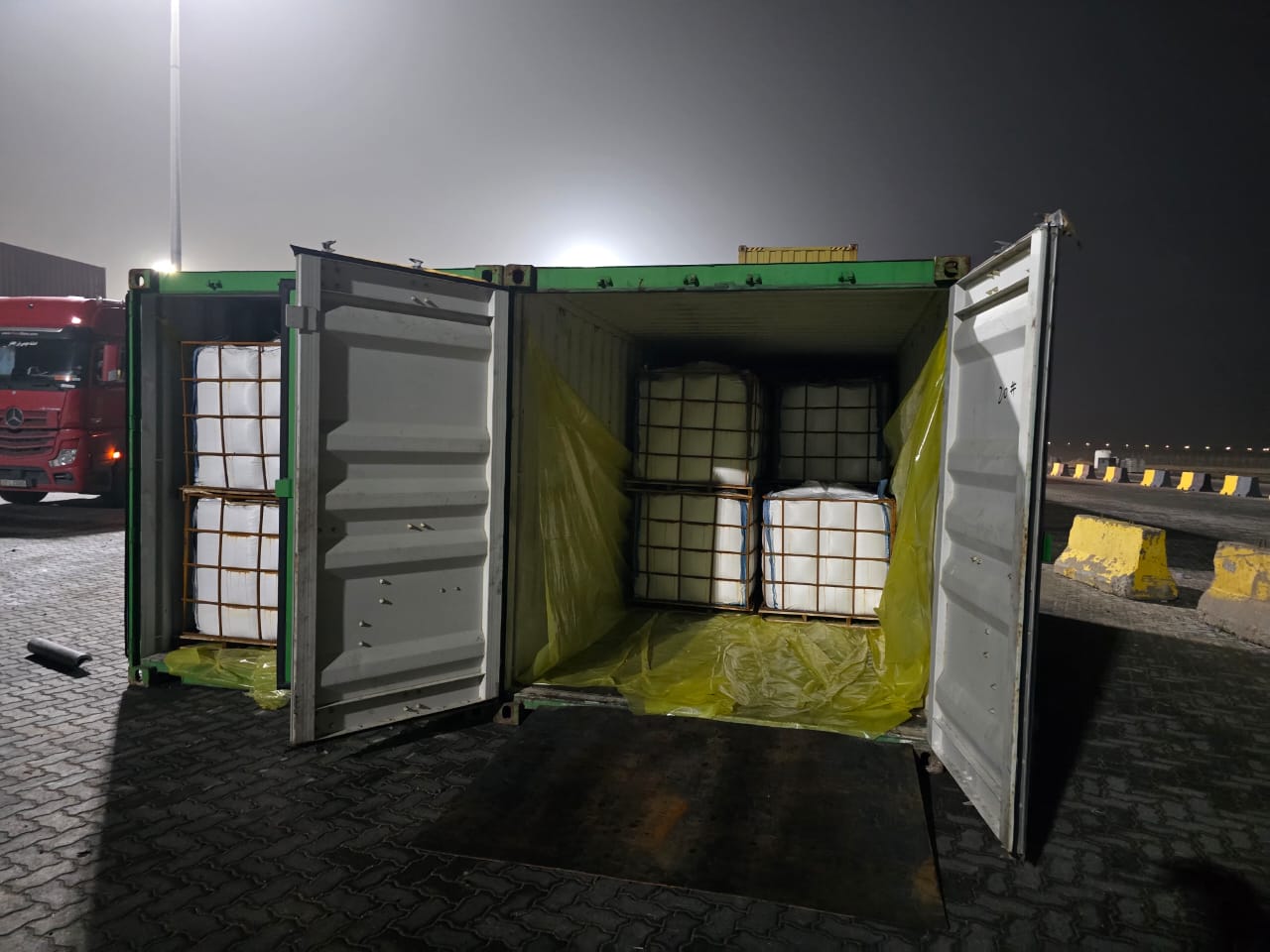
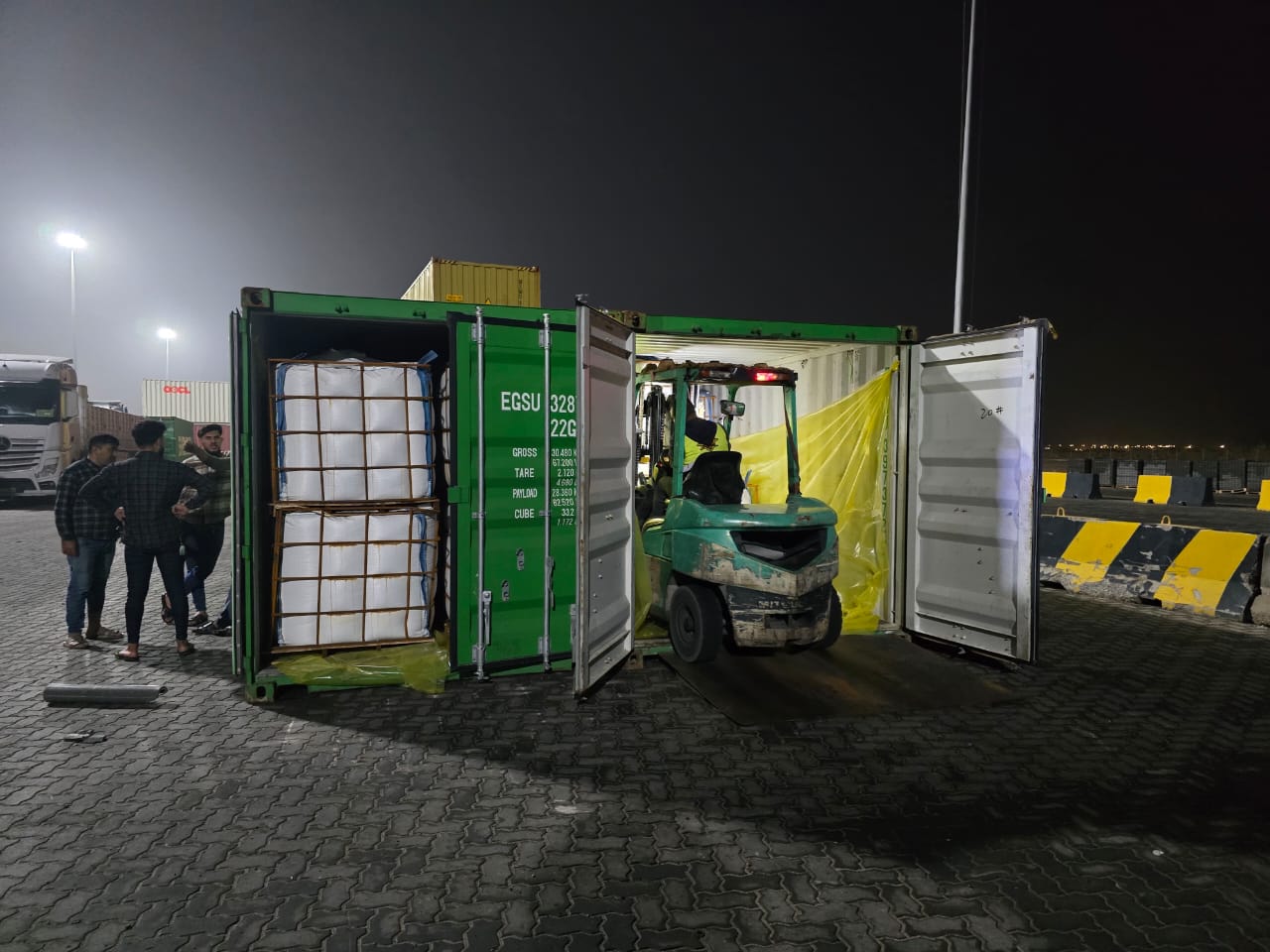
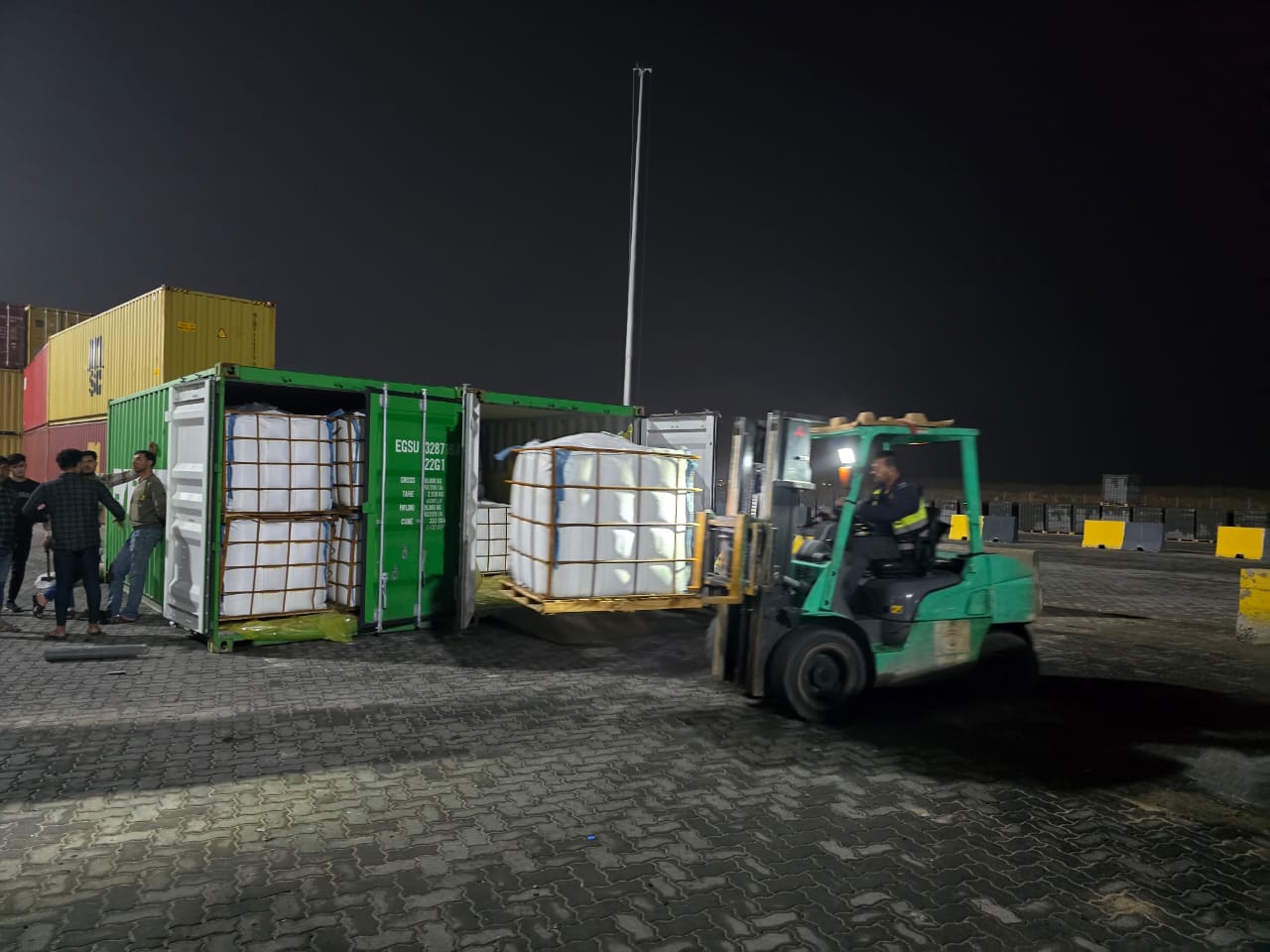
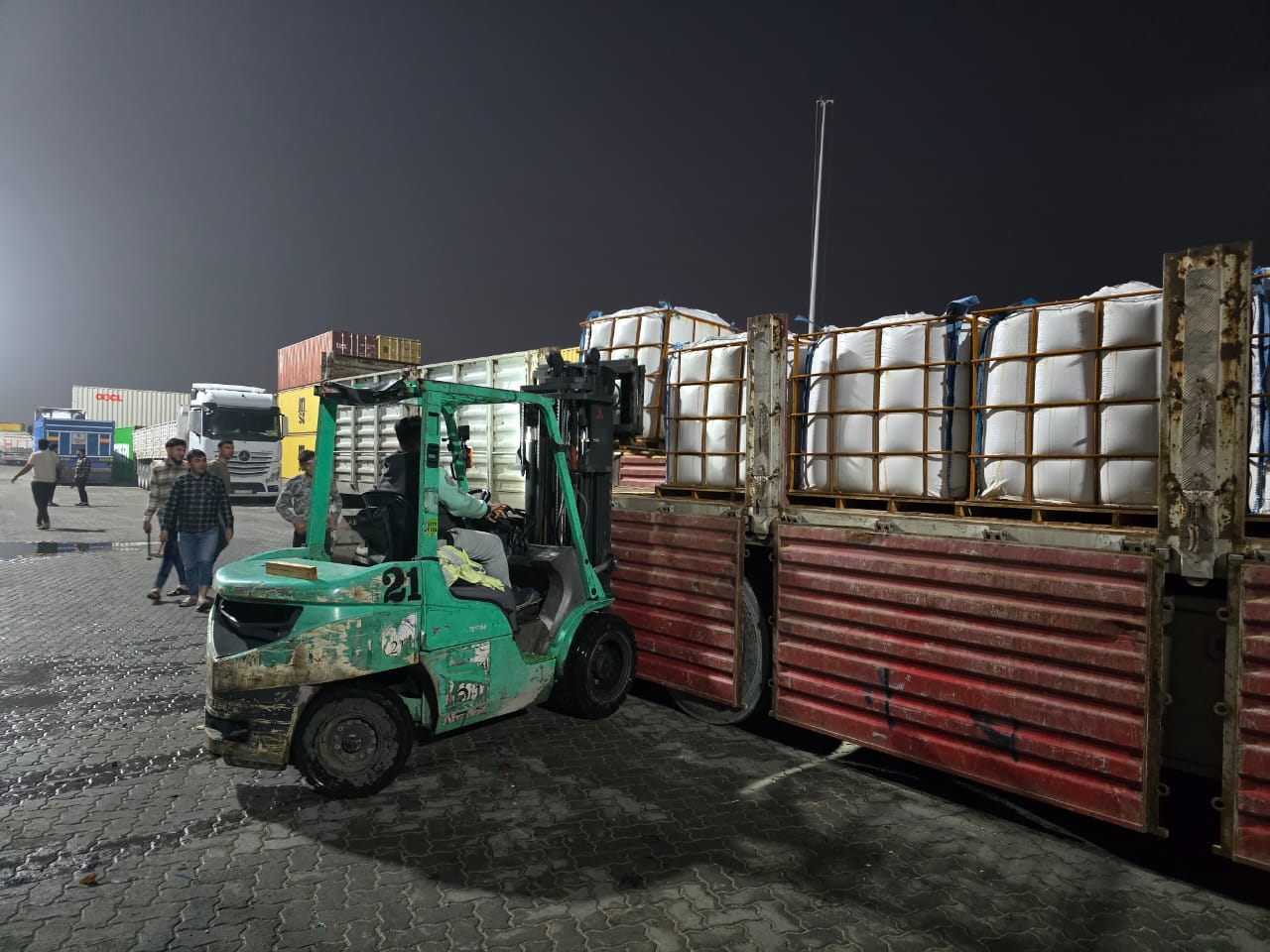
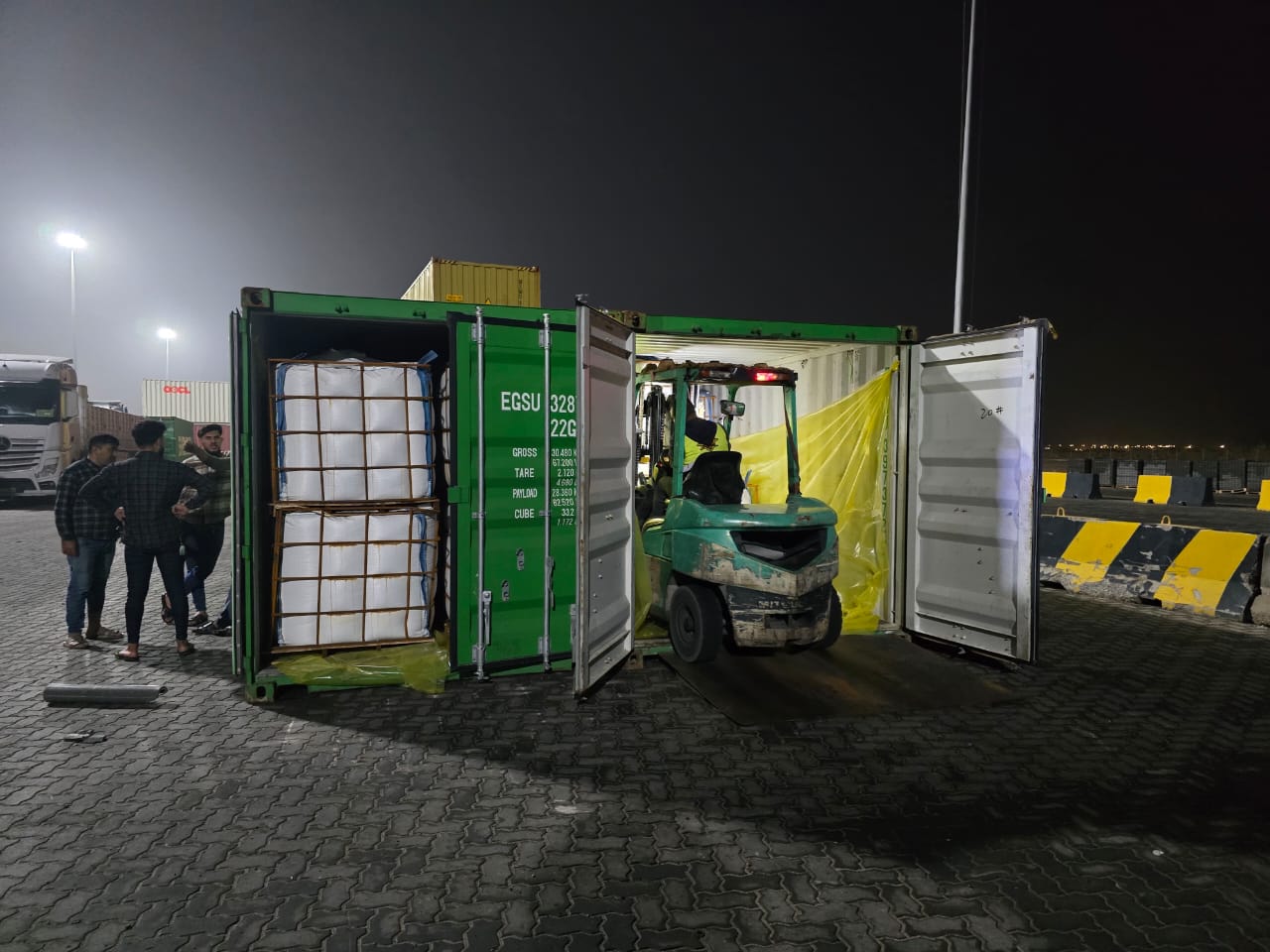
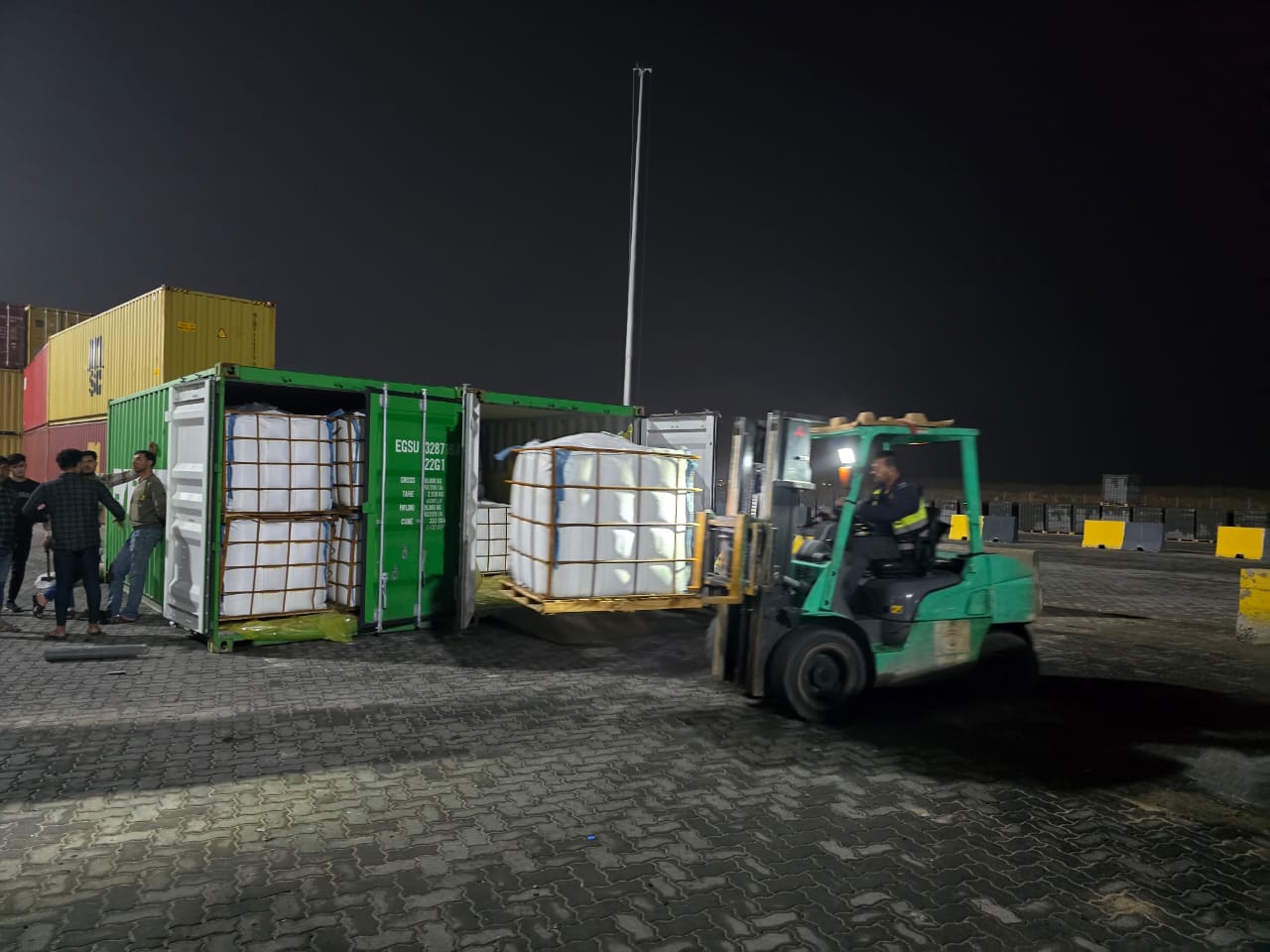
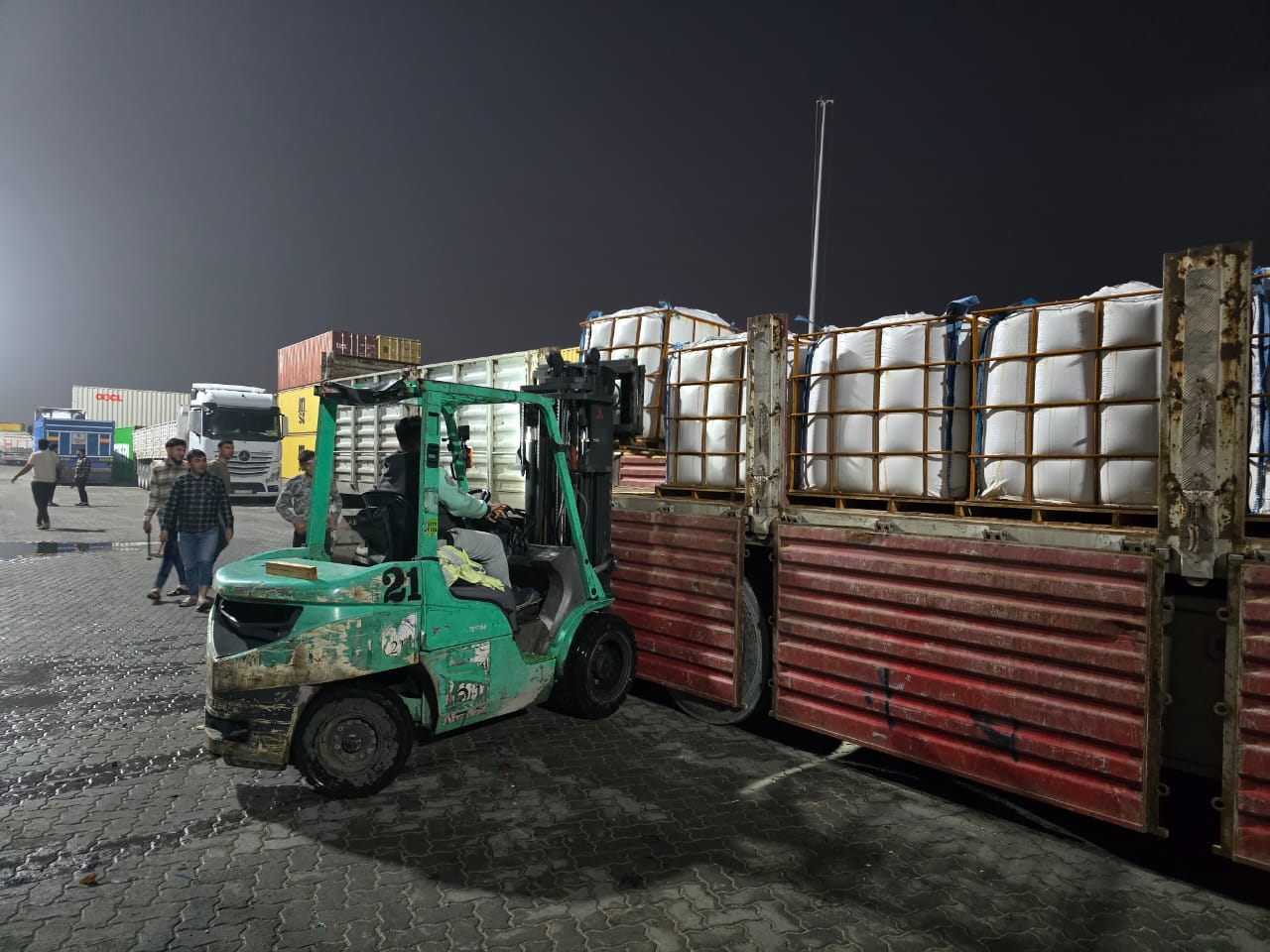
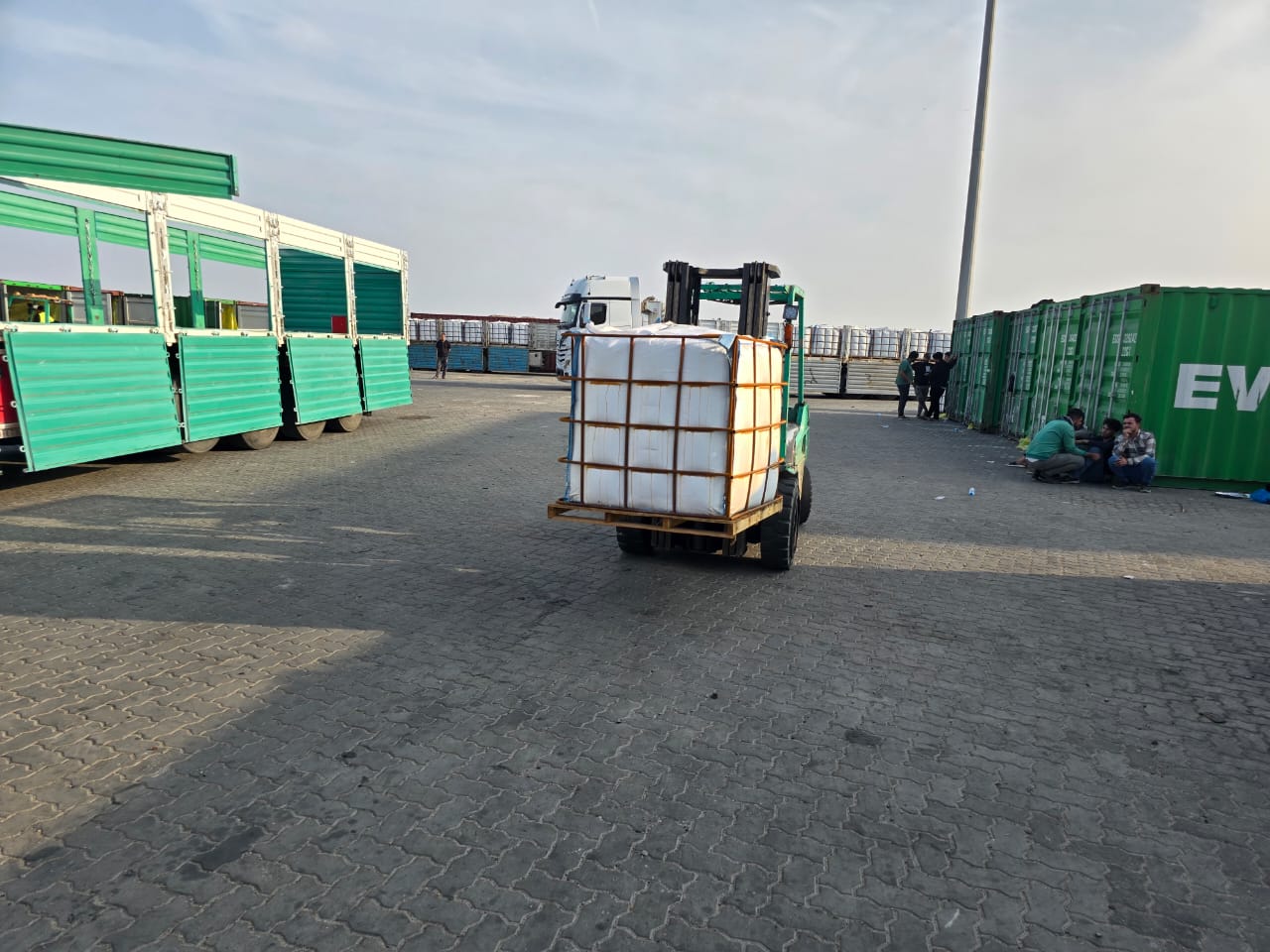
Packaging and Export Options by Aljabal Holding
Bulk vs Drum Pricing
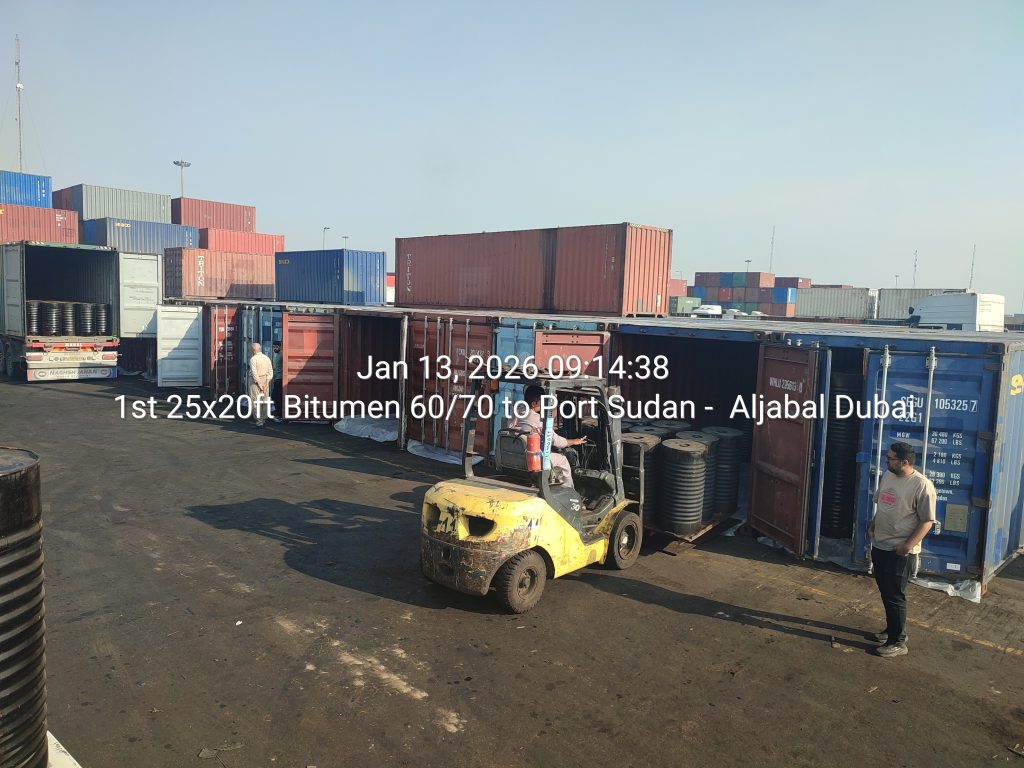
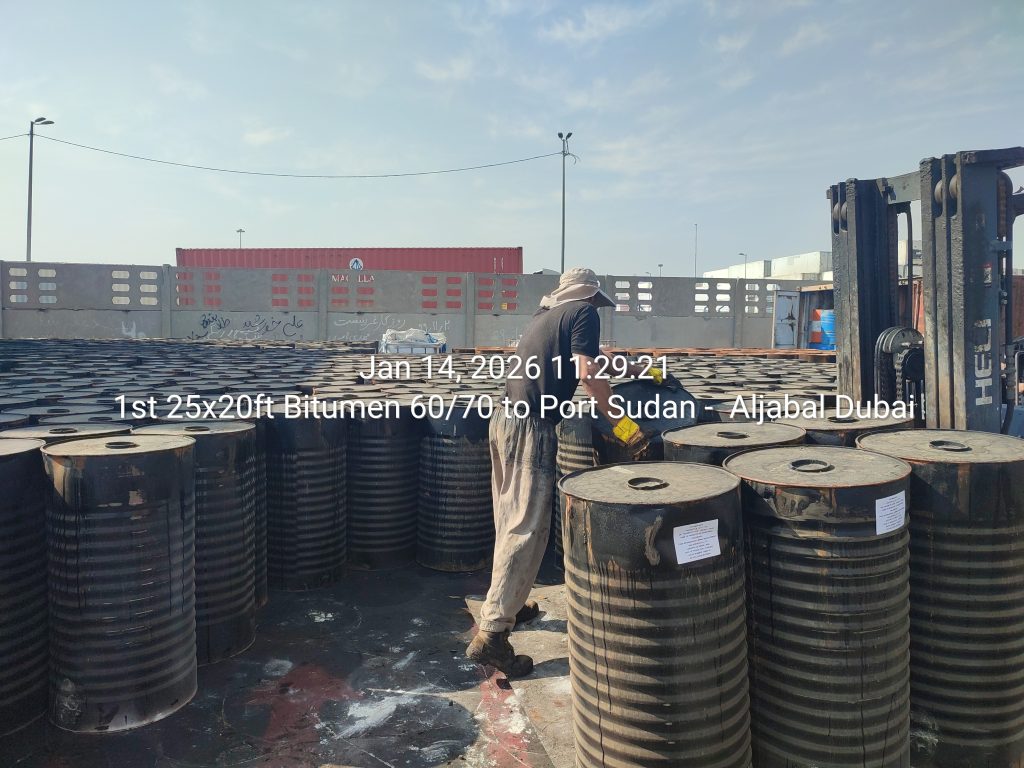
Bulk shipments are the most cost-effective, while drum packaging adds handling costs.
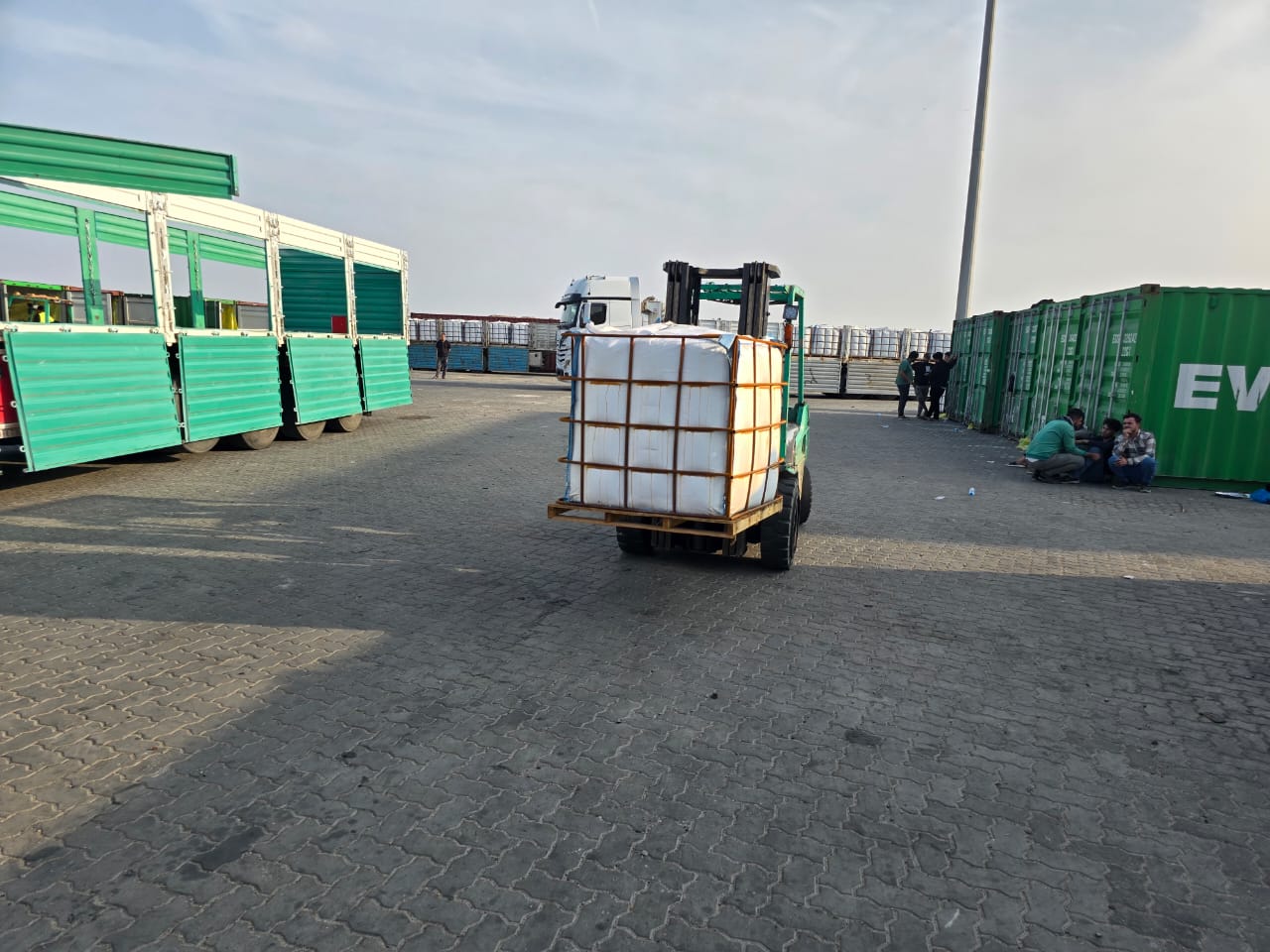
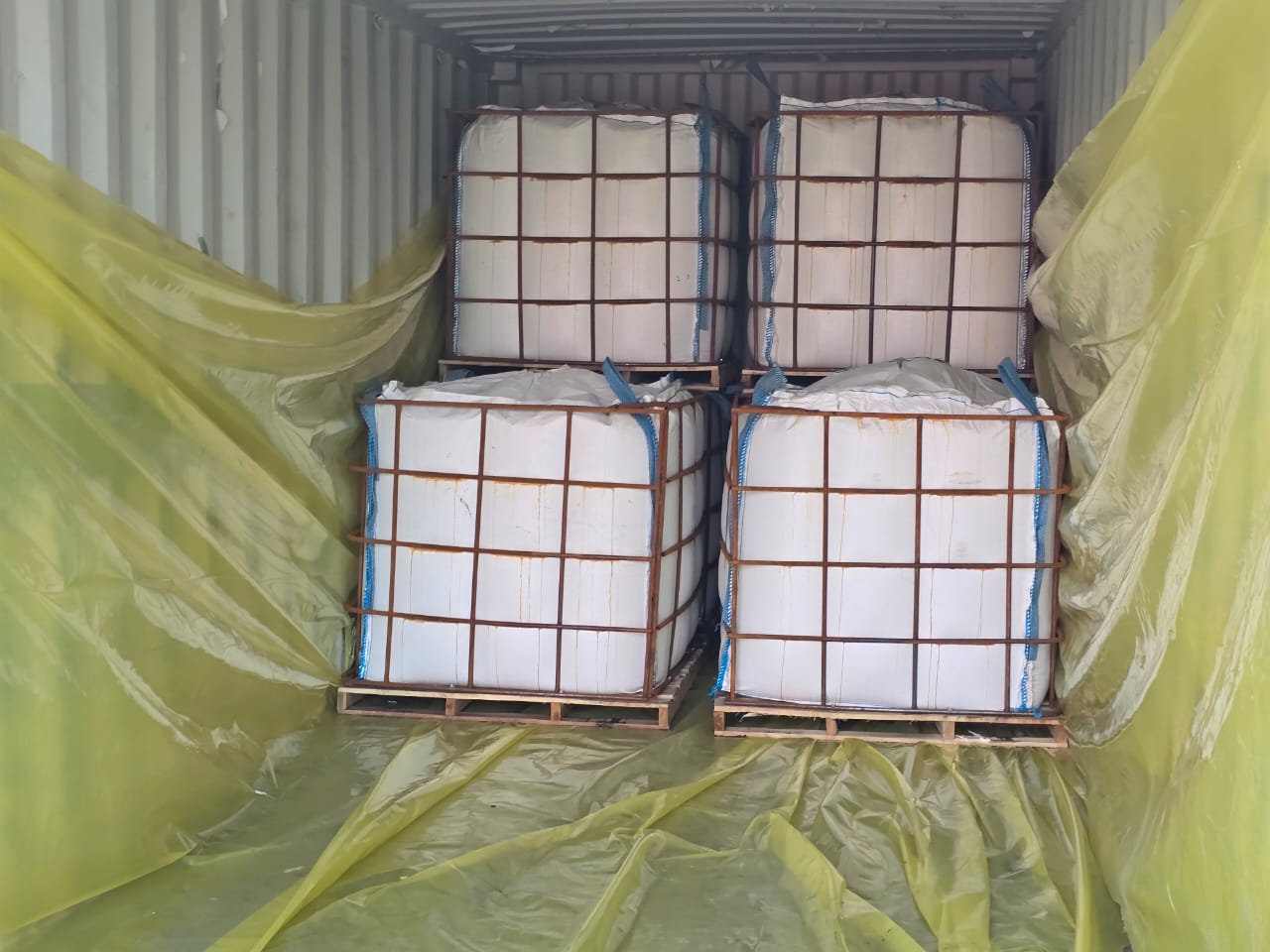
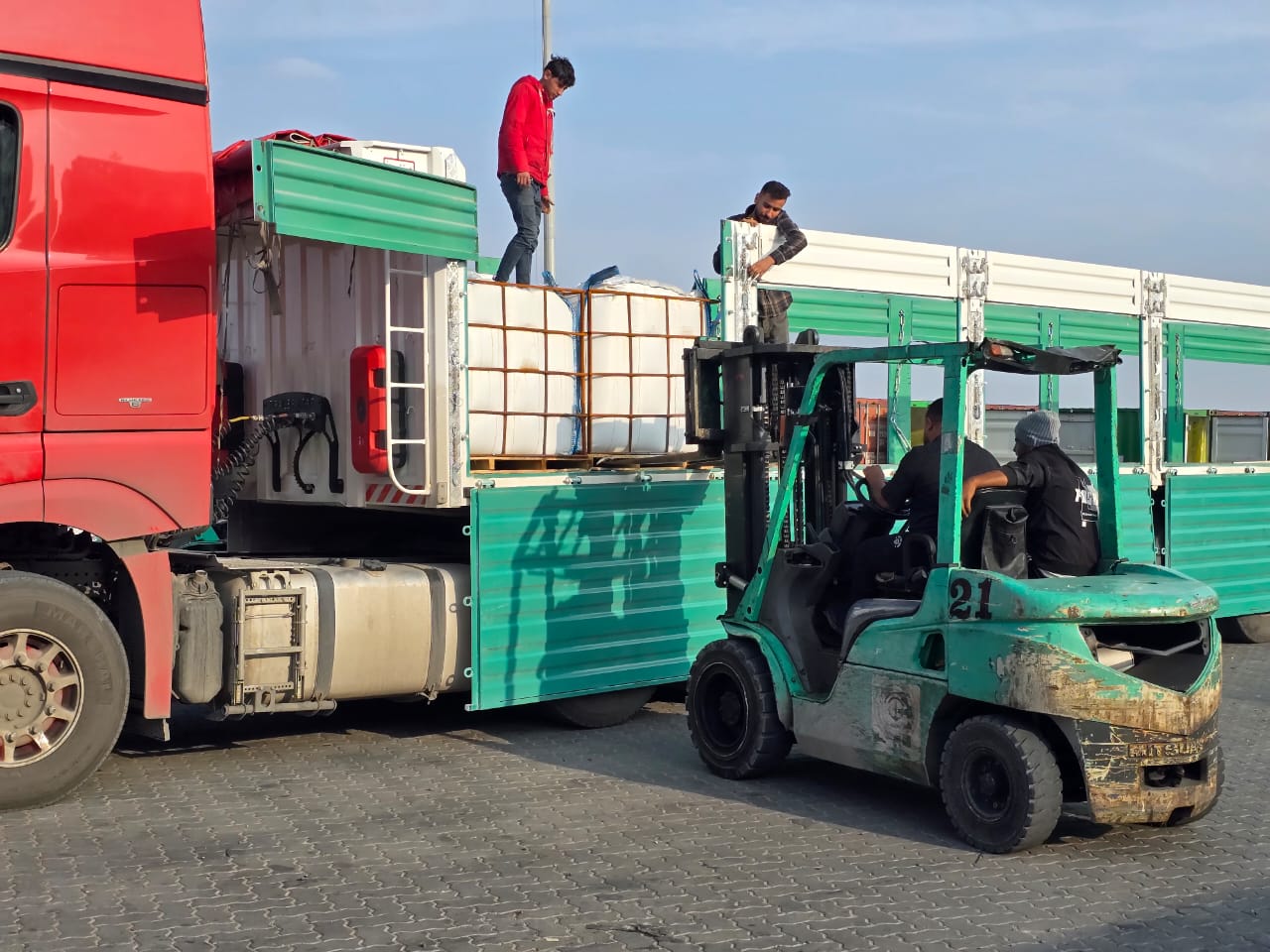
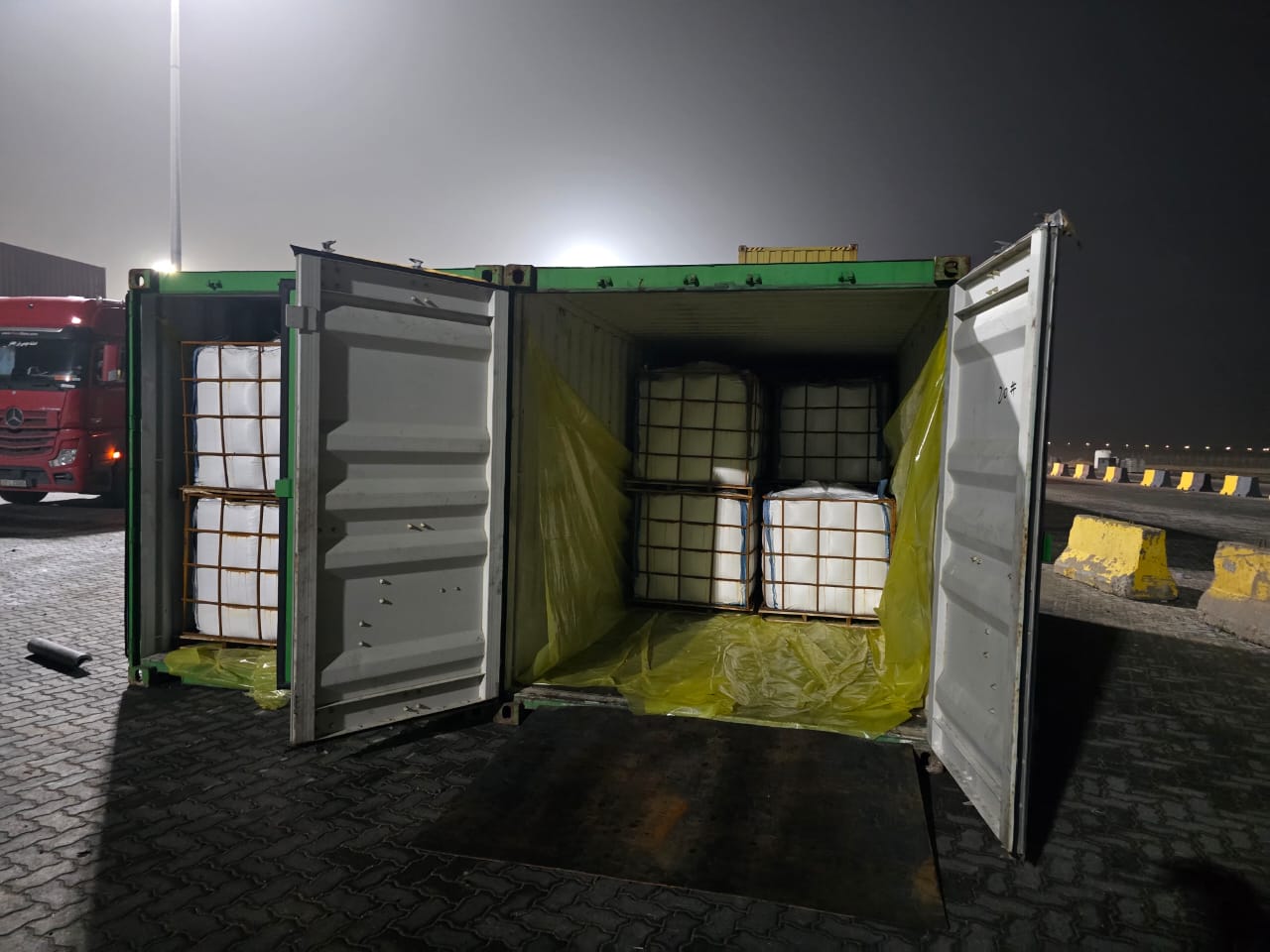
Jumbo Bags and Flexitanks
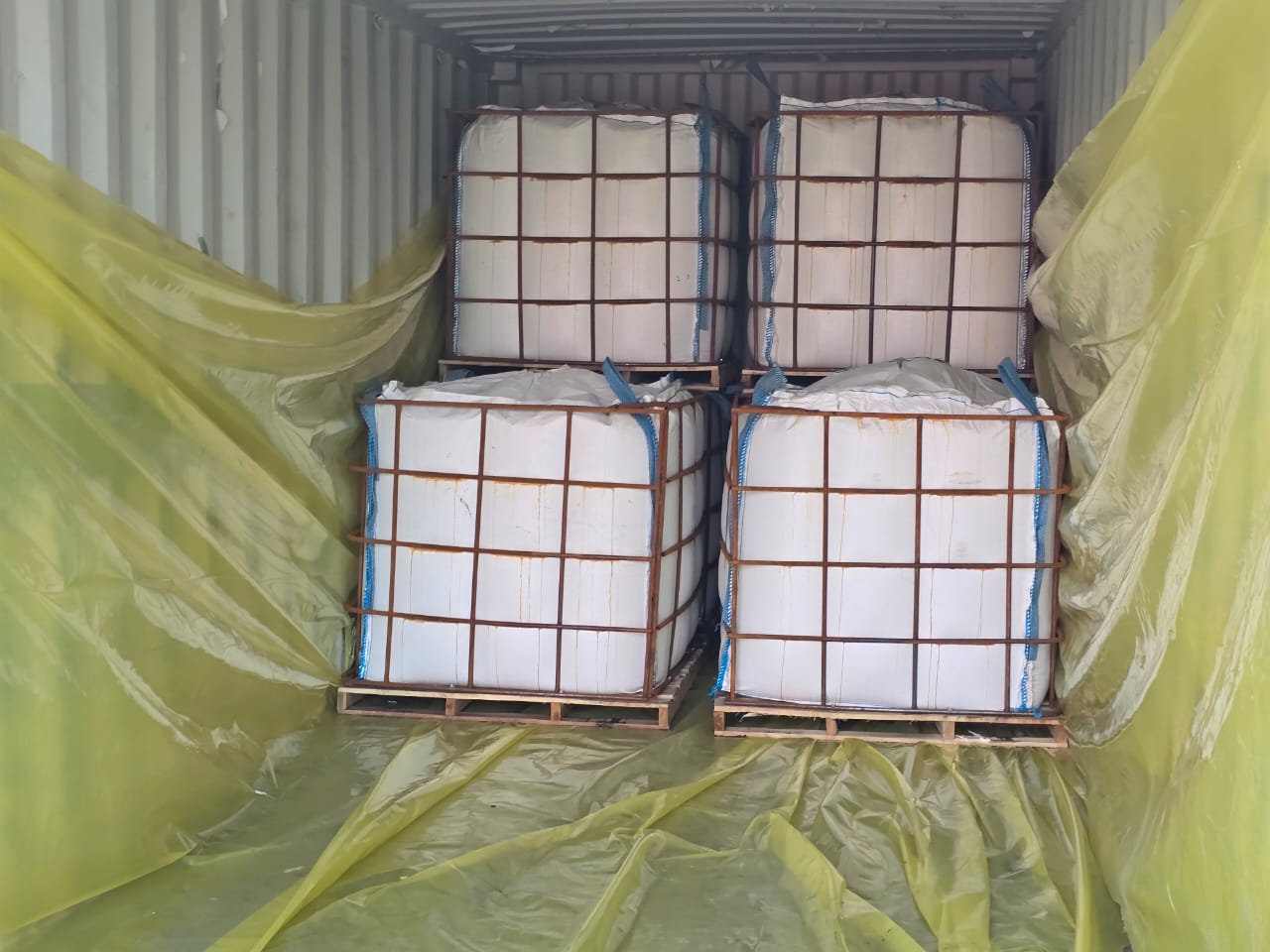
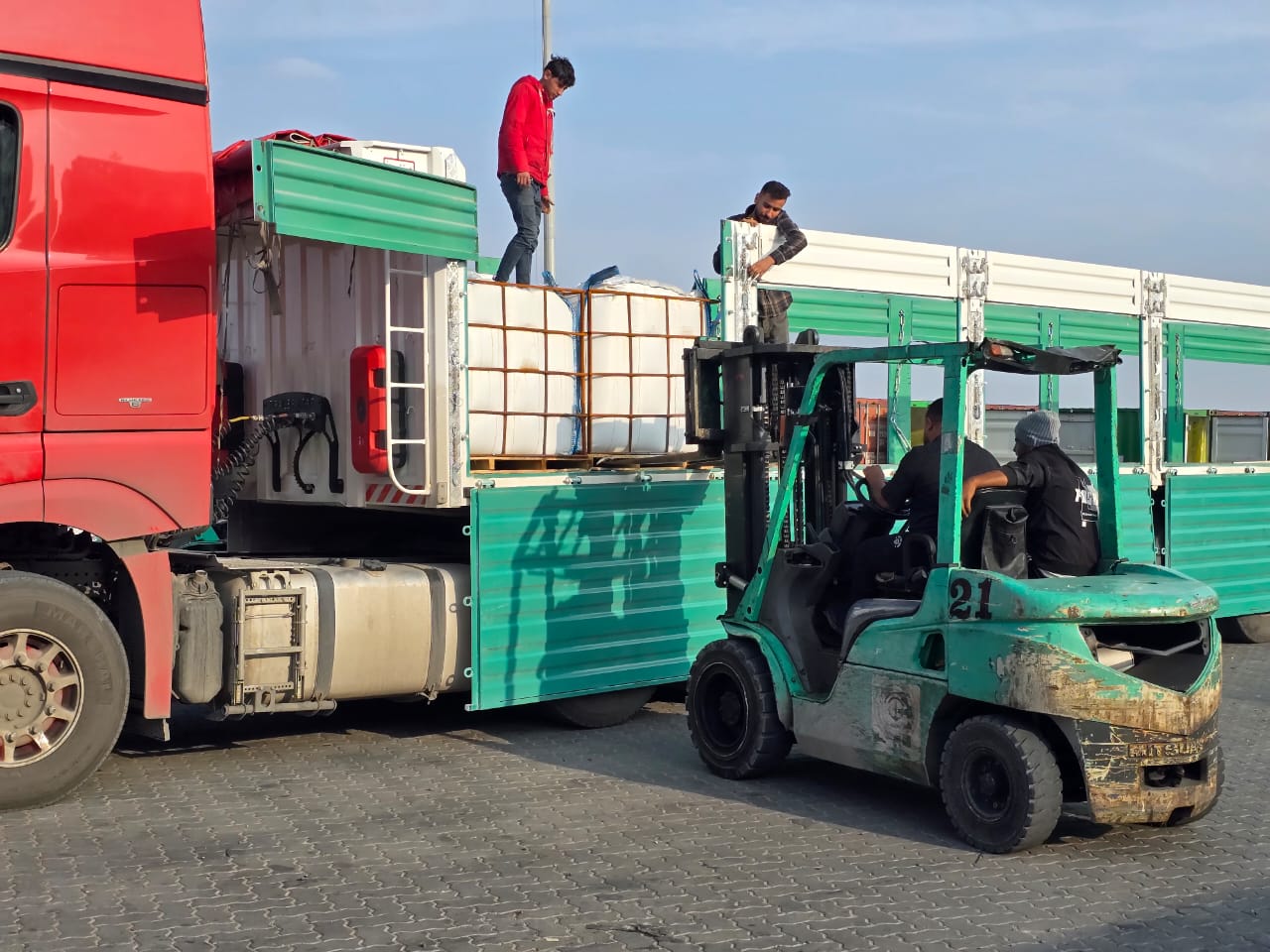
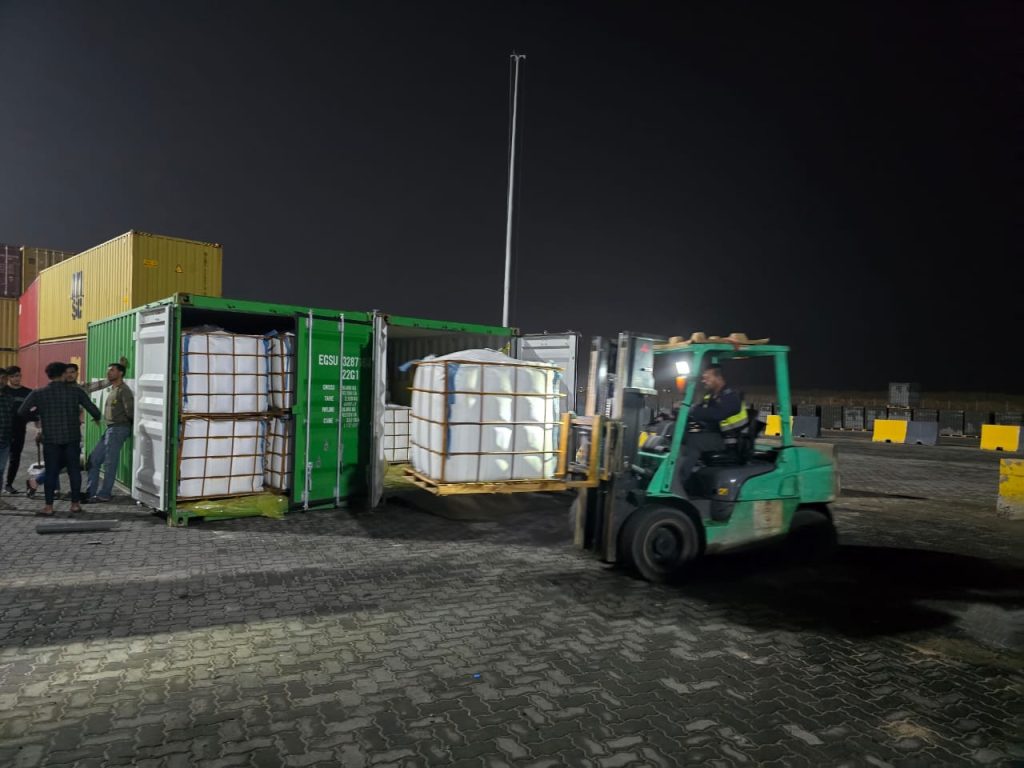
Flexible packaging options cater to different buyer needs, balancing cost and convenience.
Regional Market Trends in 2026
Middle East Market
The Middle East continues to dominate global supply due to its refining capacity.
Africa and Asia Demand
Rapid urbanization is driving demand in these regions, pushing prices higher.
Future Forecast for Bitumen Prices
Short-Term Outlook
Prices are expected to remain stable or slightly increase due to ongoing demand and supply constraints.
Long-Term Projections
Long-term trends suggest continued growth, especially with global infrastructure expansion.
Tips for Buyers and Contractors
How to Secure Best Prices
Timing purchases and negotiating bulk deals can significantly reduce costs.
Choosing the Right Supplier
Reliability, quality, and pricing transparency should be key considerations.
Conclusion
Bitumen prices in April 2026 reflect a complex interplay of global oil markets, infrastructure demand, and logistics challenges. Suppliers like Aljabal Holding offer competitive pricing structures that cater to both small and large buyers, making them a strong choice in today’s market. Understanding these dynamics isn’t just helpful—it’s essential for making informed decisions in a rapidly evolving industry.
FAQs
1. What is the current bitumen price in April 2026?
Prices range between $434 and $449 per ton globally, depending on location and grade.
2. How much does Aljabal Holding charge for bitumen?
Their prices typically range from $390 to $430 per ton based on order size.
3. Why are bitumen prices increasing in 2026?
Rising crude oil prices, high demand, and supply constraints are the main reasons.
4. Which bitumen grade is most commonly used?
Bitumen 60/70 is the most widely used grade for road construction.
5. How can buyers reduce bitumen costs?
Bulk purchasing, strategic timing, and choosing reliable suppliers help lower costs.