Introduction
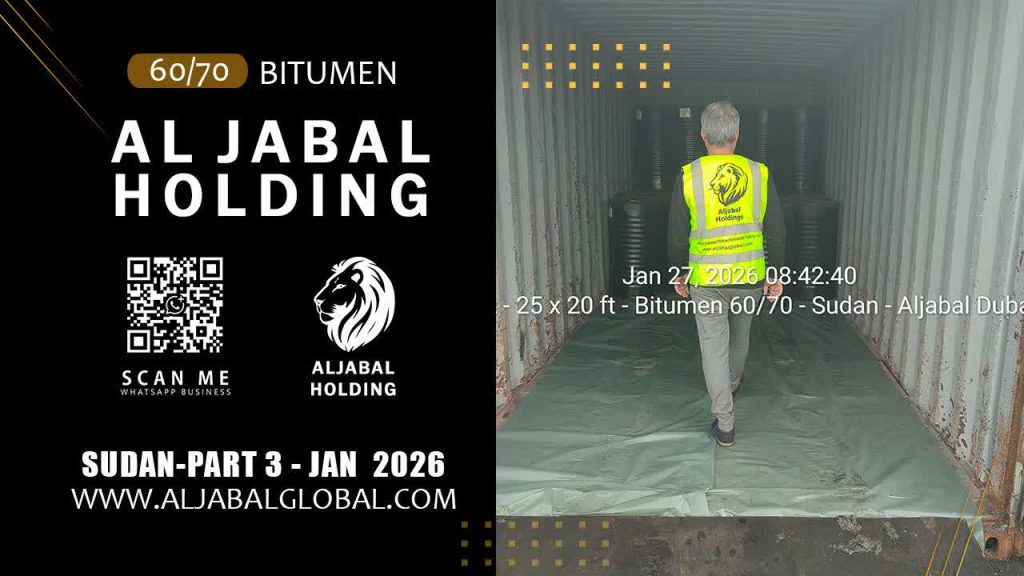
AlJabal Holding continues to reinforce its footprint as a key player in the global bitumen supply chain. January 2026 marked another successful logistical execution with the shipment of 25×20 ft containers of bitumen 60/70 to Sudan, divided into several coordinated deliveries. This report focuses on the third part of that shipment, underlining the seamless coordination, quality assurance, and timely delivery that AlJabal Holding is known for. Bitumen 60/70 plays a vital role in Sudan’s infrastructure development, particularly in road paving and construction projects. The ability to deliver such large volumes efficiently enhances not only Sudan’s development efforts but also solidifies AlJabal’s presence in North Africa.
Let’s dive deep into the operational specifics, challenges, and strategic execution of this third installment of the January 2026 shipment.
Background of Bitumen 60/70
Bitumen 60/70 is a penetration grade bitumen primarily used in road construction. The numbers 60/70 refer to the bitumen’s penetration value—a measure of its hardness or softness. Specifically, the needle penetration test shows that the bitumen allows a penetration depth of 60 to 70 tenths of a millimeter under standard conditions, which makes it ideal for moderate climates like that of Sudan.
Bitumen 60/70 is used in:
- Road paving and highway construction
- Waterproofing applications
- Asphalt production
What makes it so desirable is its perfect balance between flexibility and durability. In regions like Sudan where extreme heat can affect road materials, bitumen 60/70 offers the stability and resistance needed for long-term infrastructure use. Its high adhesion to aggregates and temperature-resistant properties ensure that roadways built with this grade will last longer, reduce maintenance costs, and improve safety.
AlJabal Holding: A Reliable Exporter
AlJabal Holding has grown from a regional supplier to an international logistics powerhouse. Known for its reliability, product quality, and efficient supply chain management, the company has been a consistent partner to clients in Africa, Asia, and the Middle East. Their logistical operations are driven by robust systems, real-time tracking, and a dedicated compliance team ensuring adherence to international export regulations.
In Sudan, AlJabal has been a trusted supplier for years, particularly for infrastructure projects sponsored by both governmental and private entities. Their long-term partnership with Sudanese contractors speaks volumes about their credibility and the consistent quality of their deliveries.
January 2026 Shipment Overview
In January 2026, AlJabal Holding arranged the shipment of 25×20 ft containers of bitumen 60/70 destined for Port Sudan. To ensure flexibility and reduce congestion, the shipment was strategically split into phases, each involving smaller batches of containers shipped in regular intervals.
Each container was loaded with bitumen packed in new steel drums, ensuring product integrity during transit. The phased delivery helped manage port handling more efficiently and allowed for quicker clearance and on-ground distribution in Sudan.
Details of the Third Part of Shipment
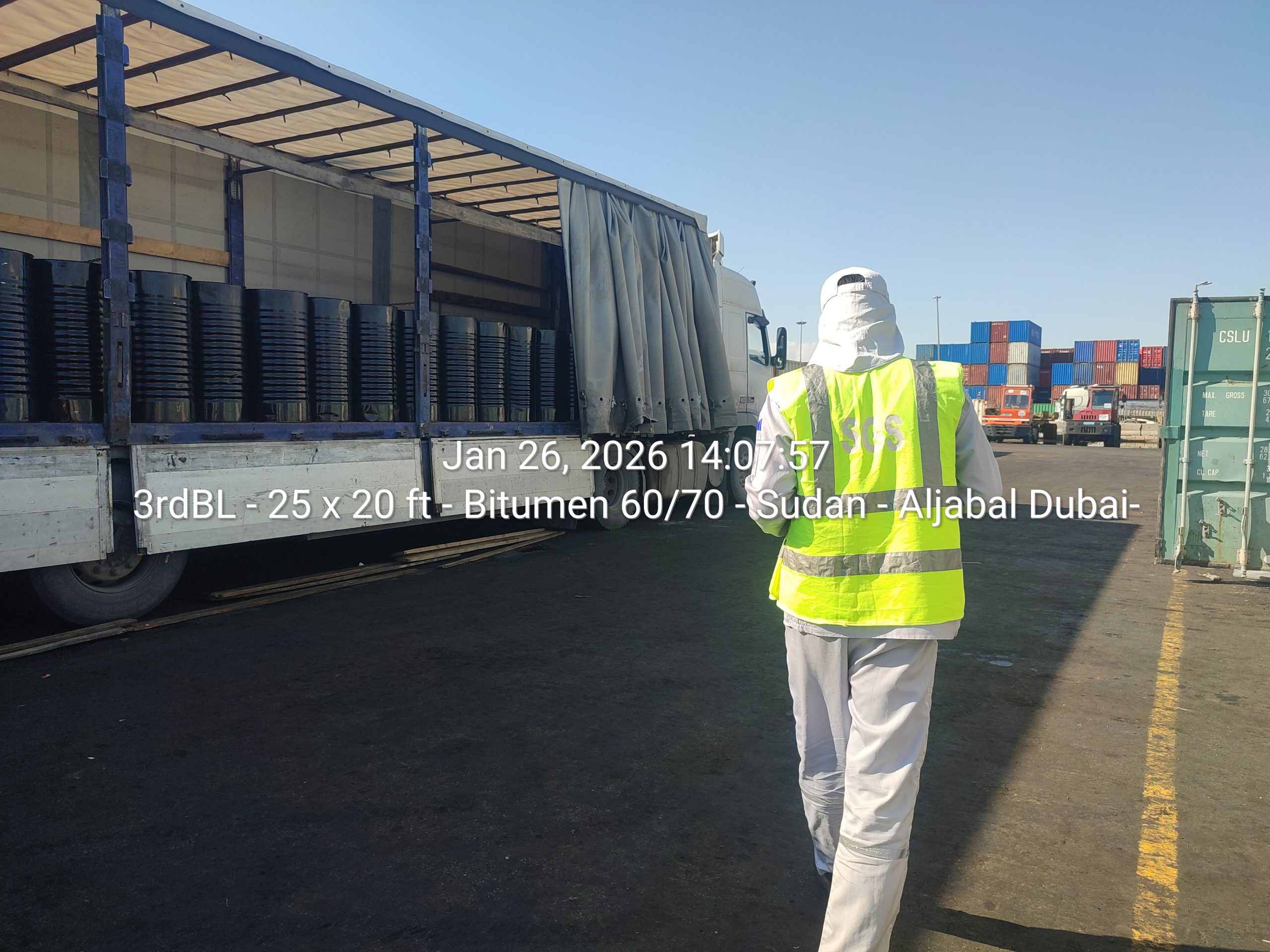
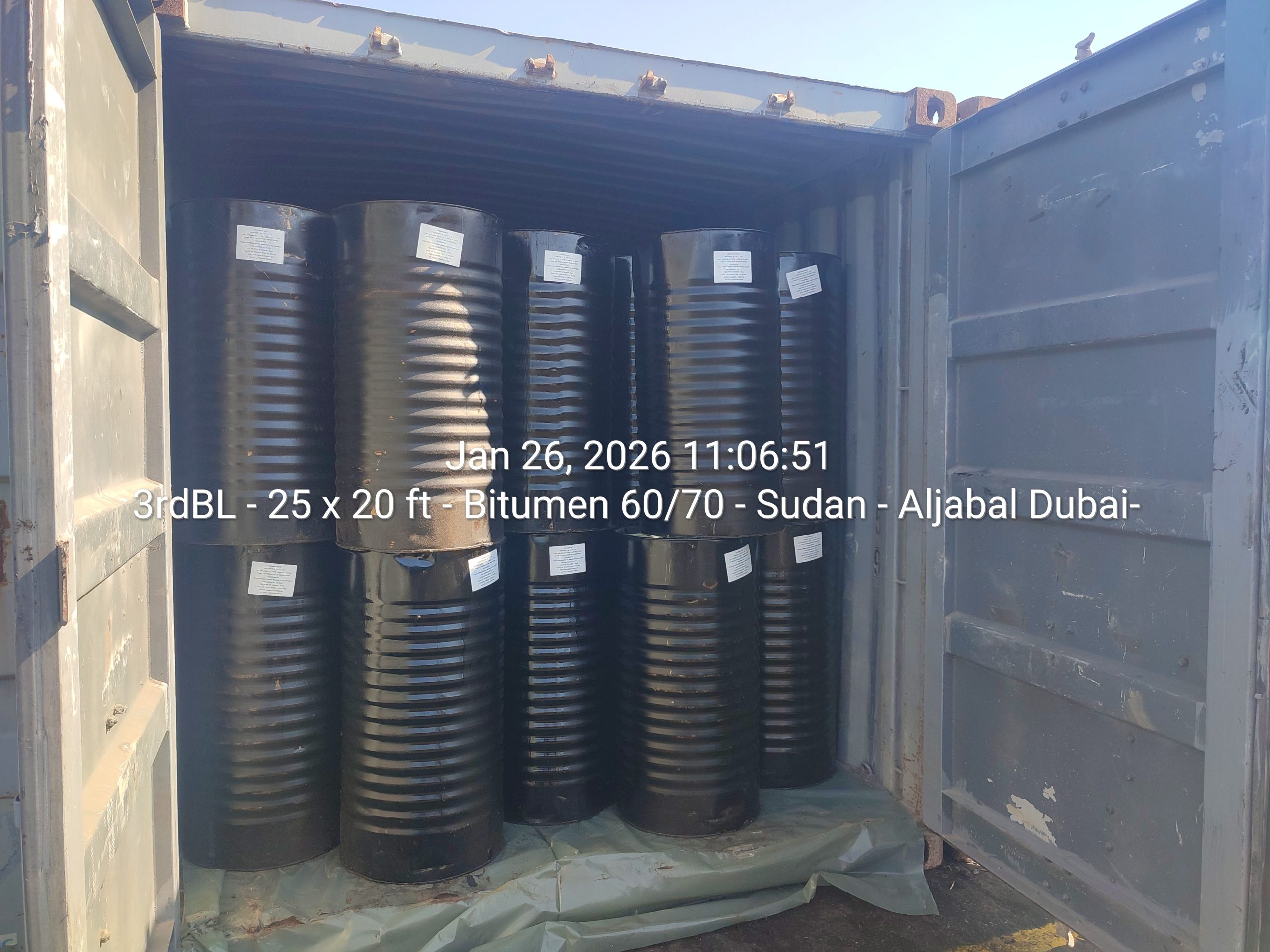
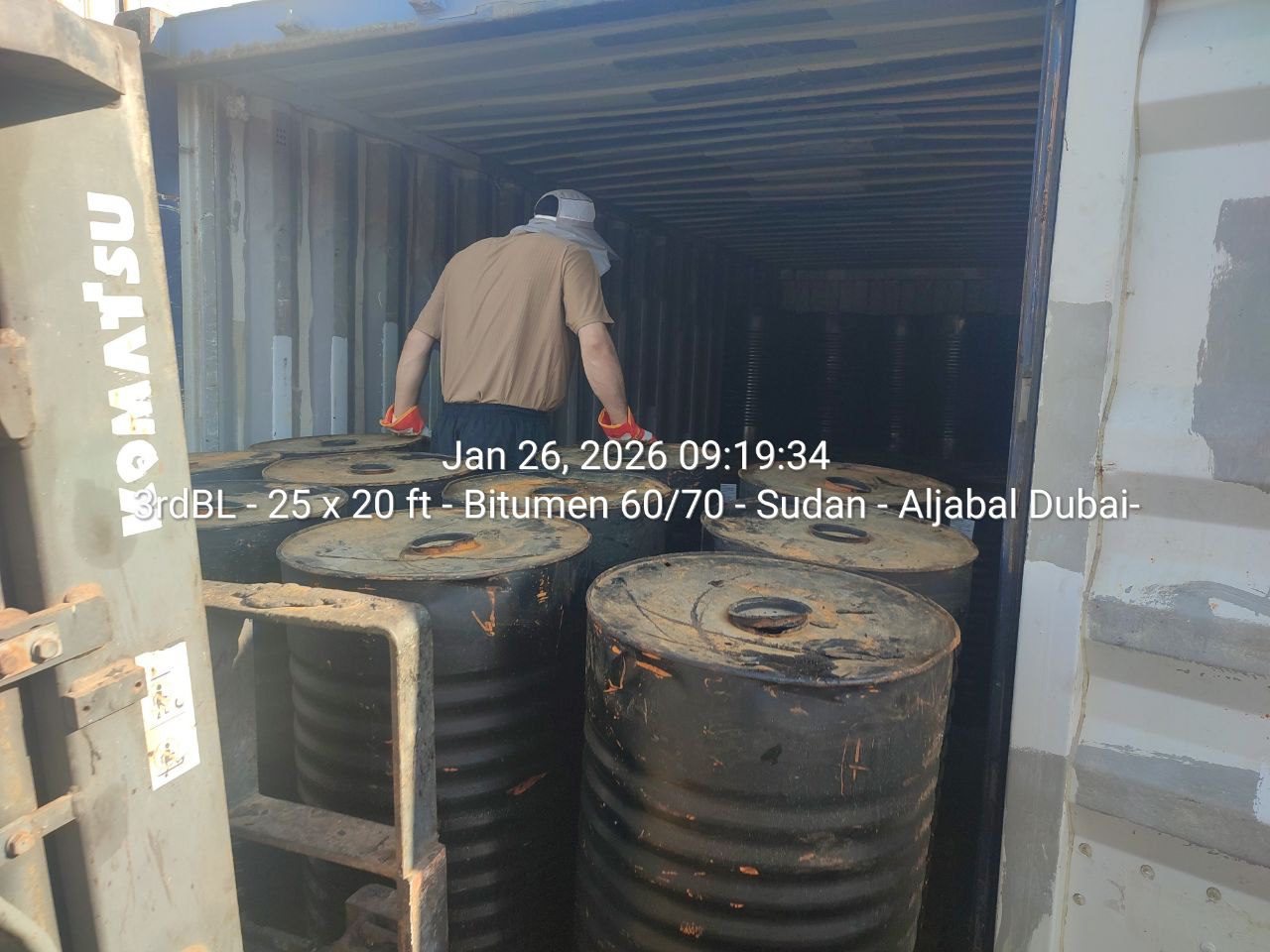
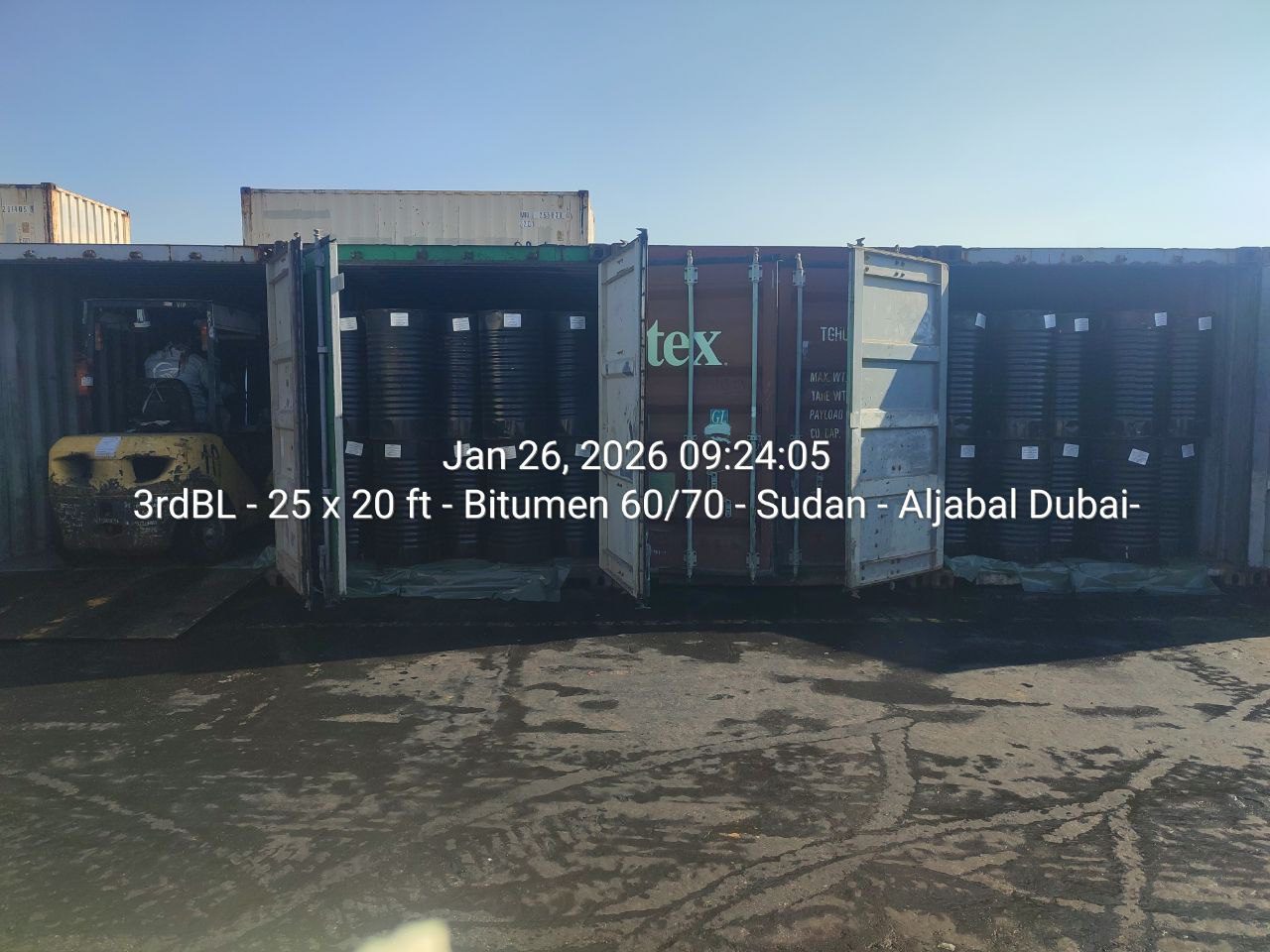
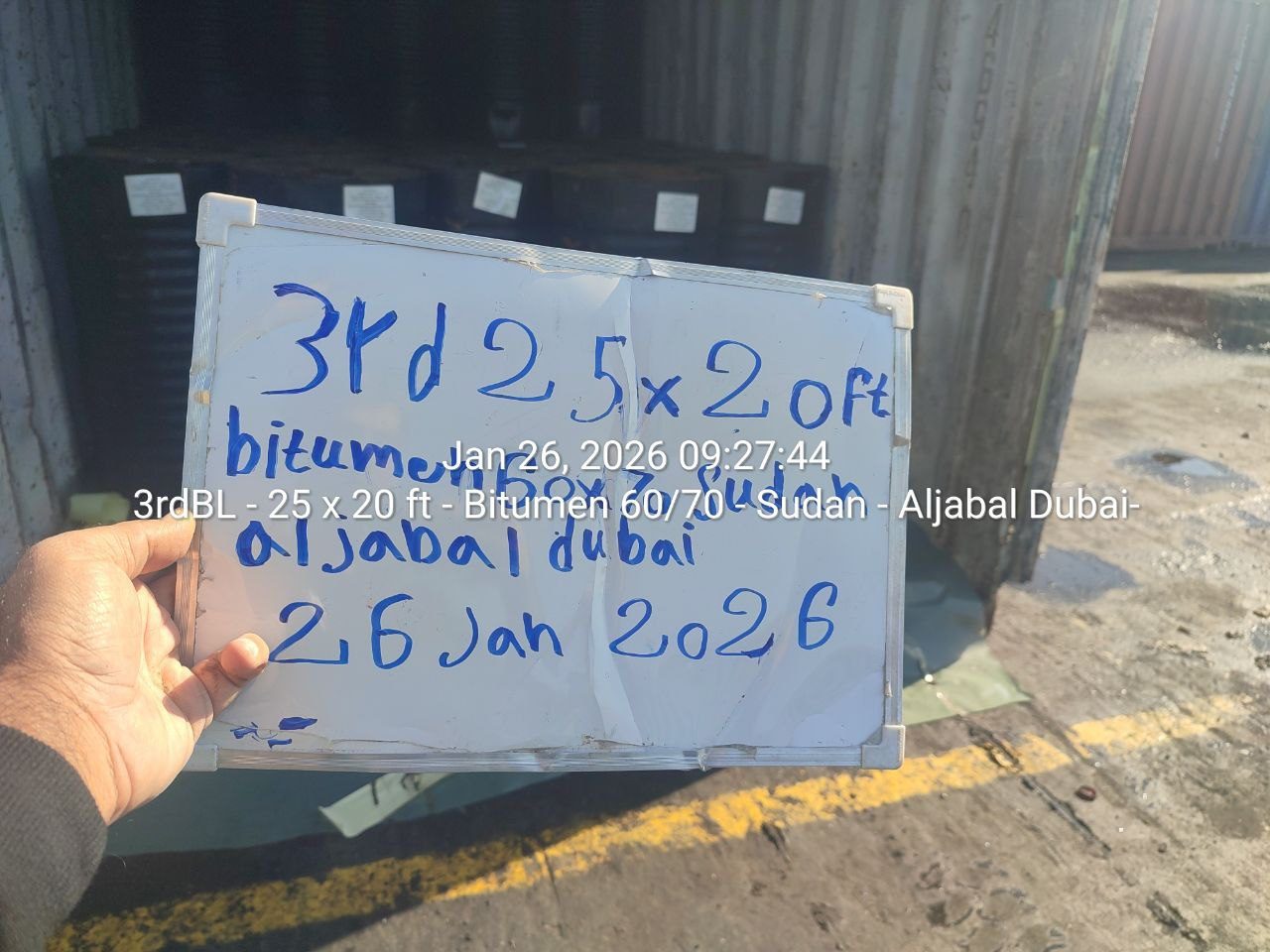
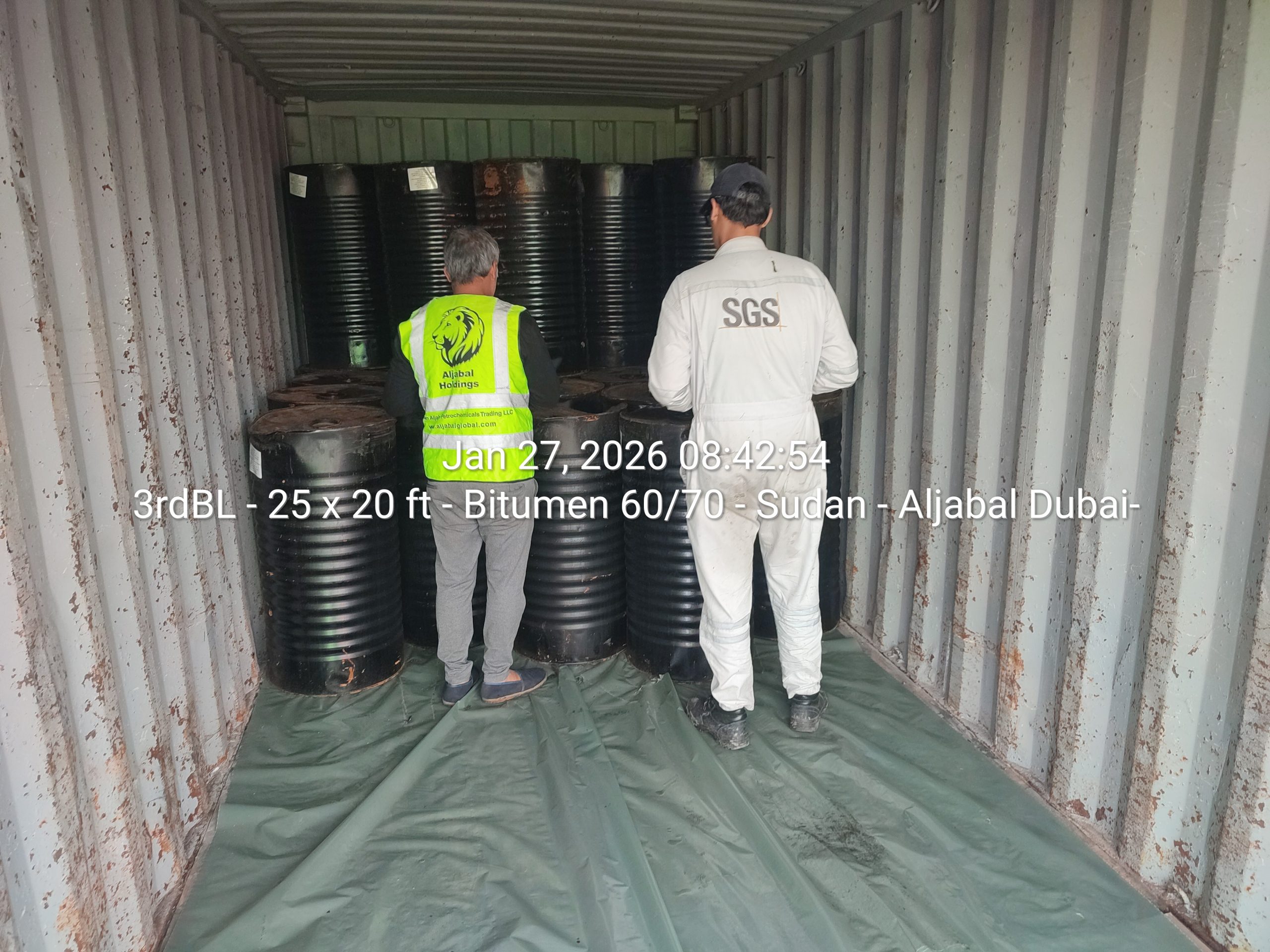
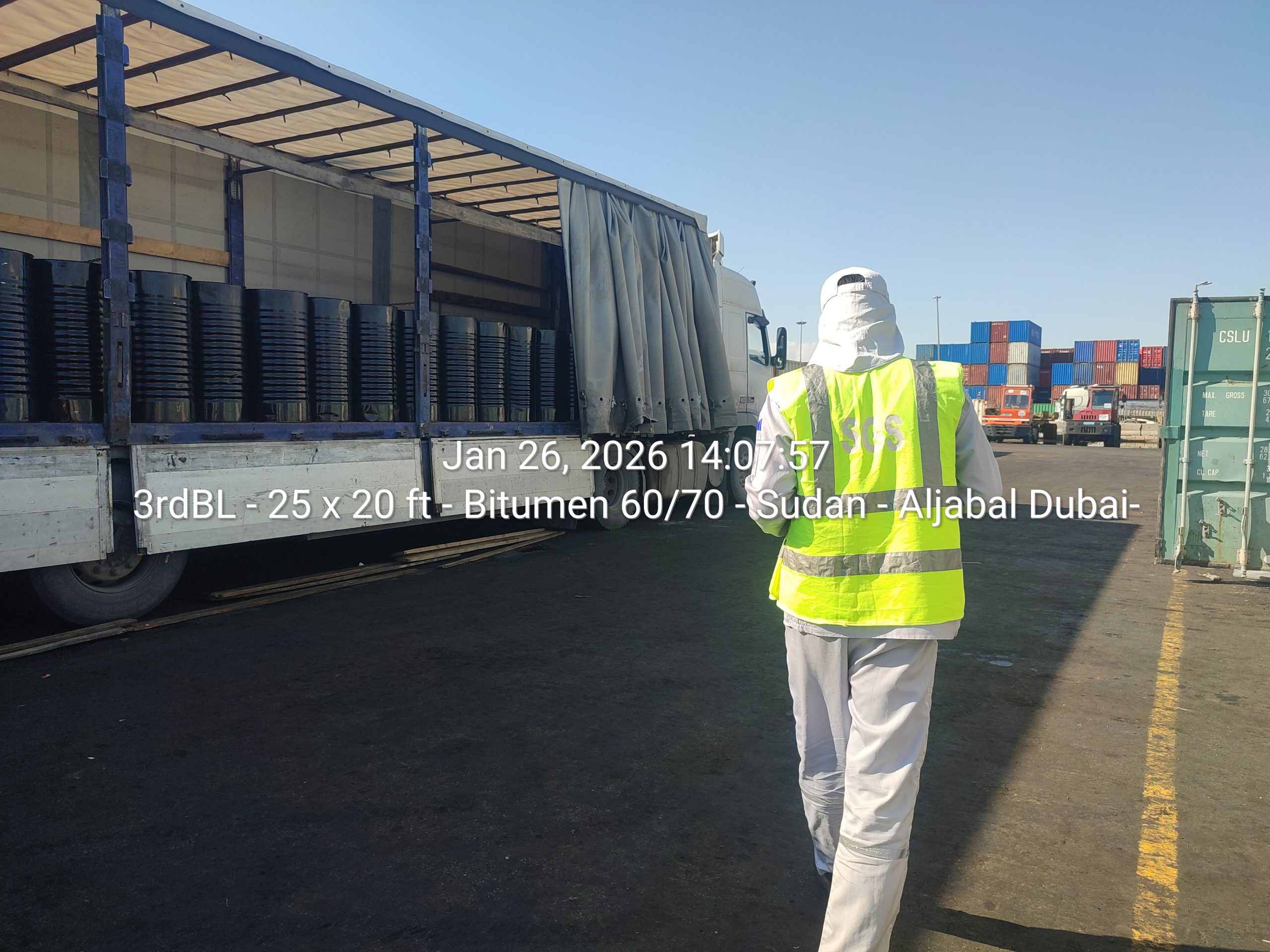
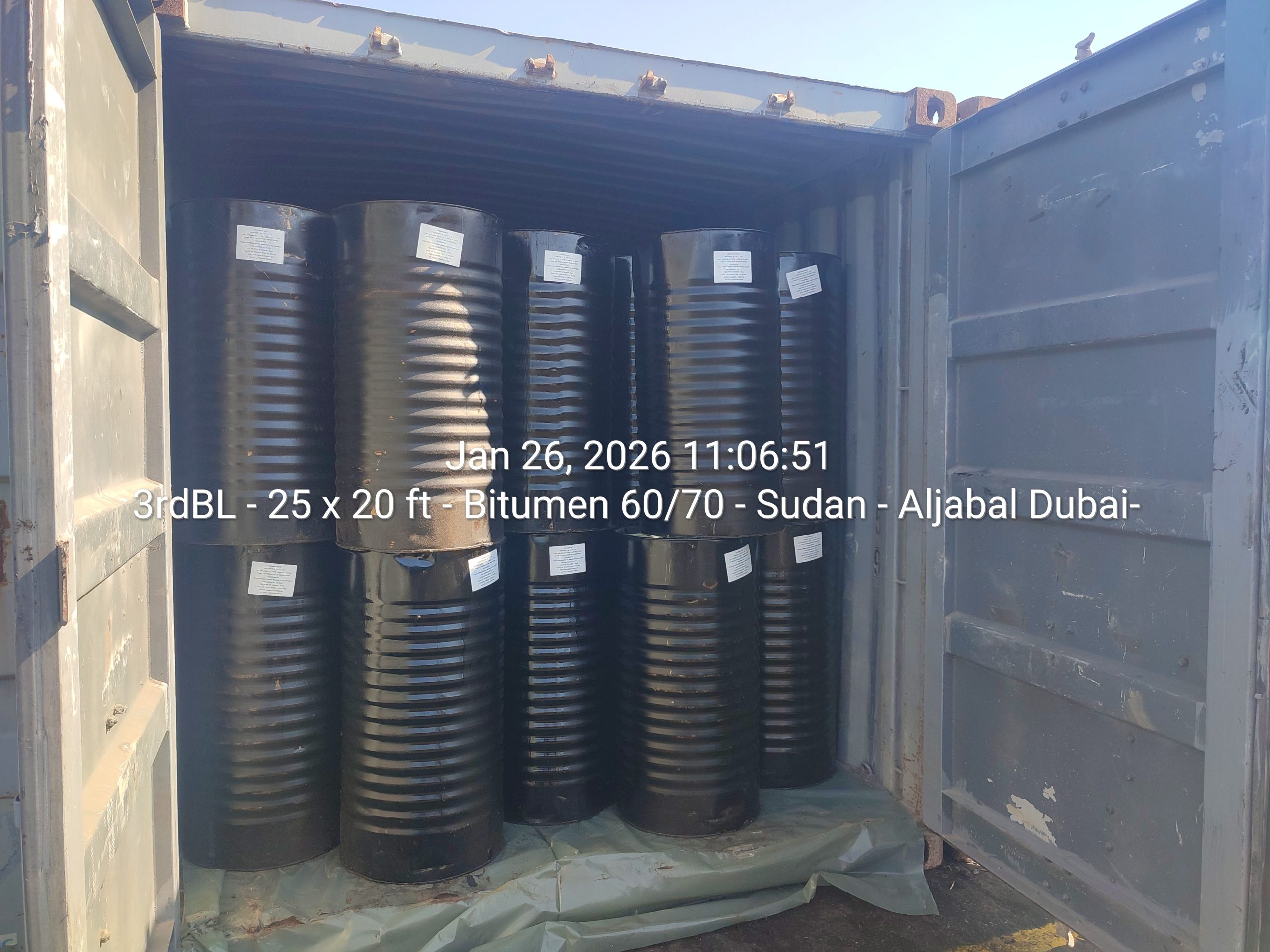
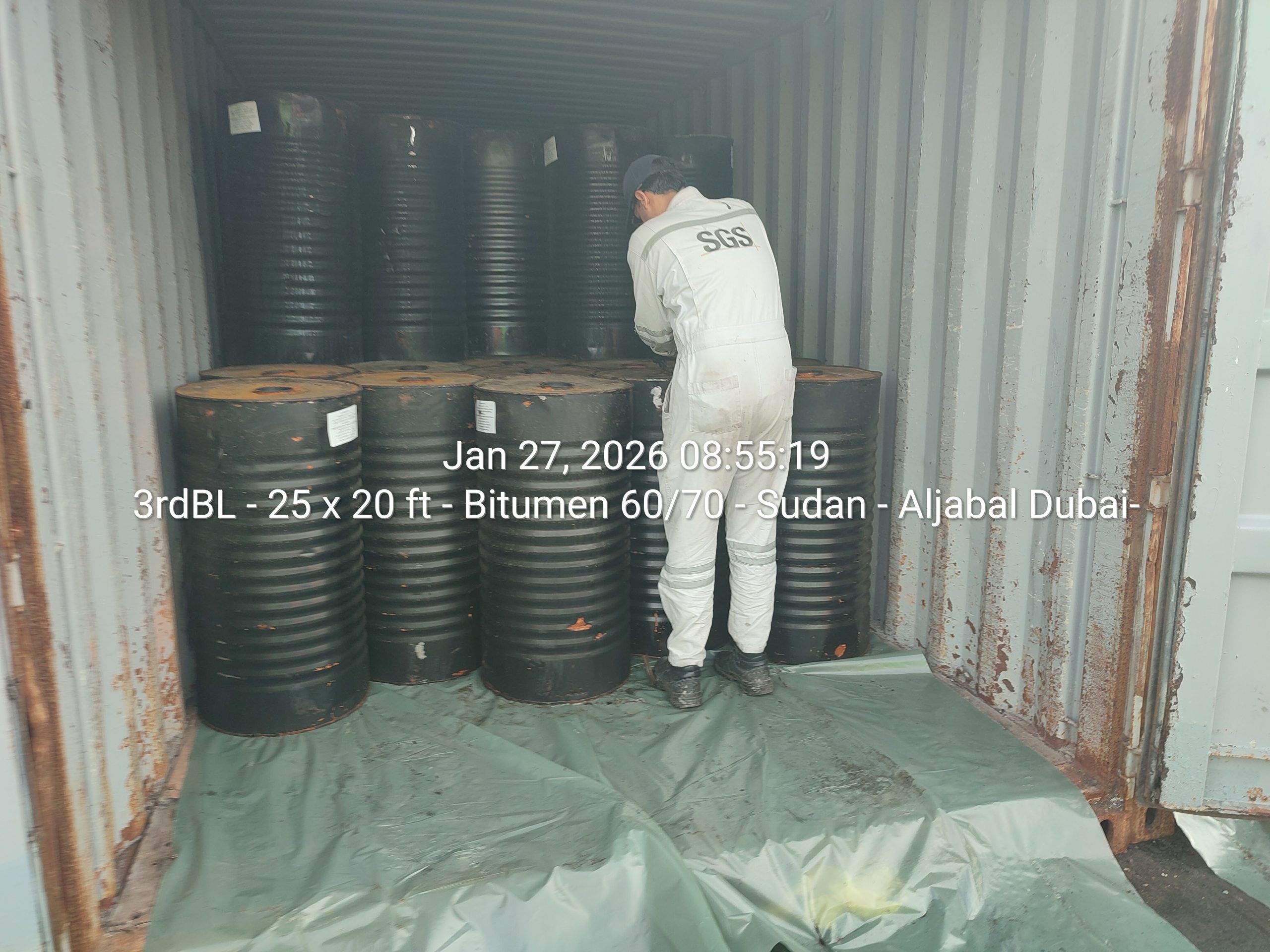
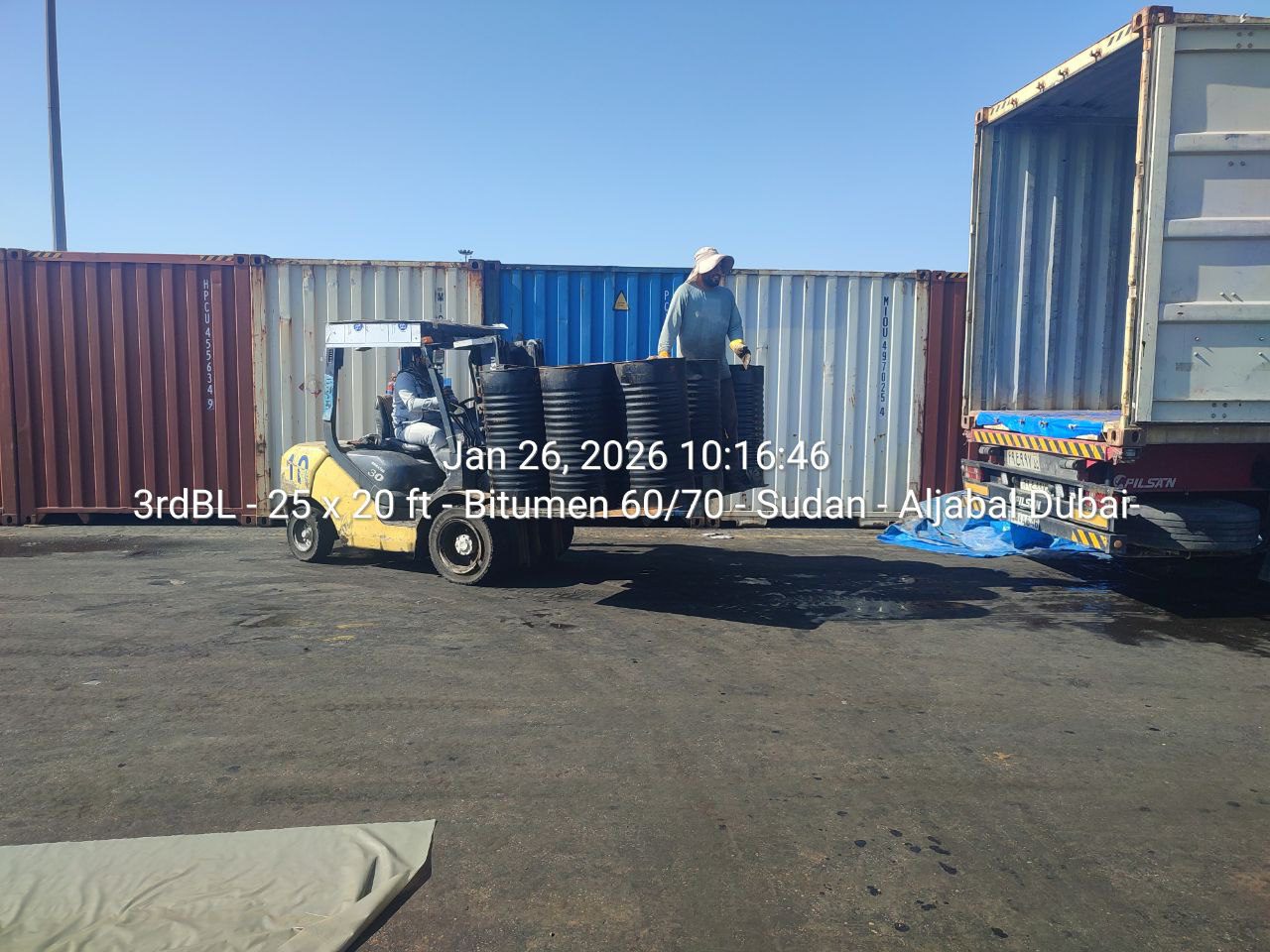
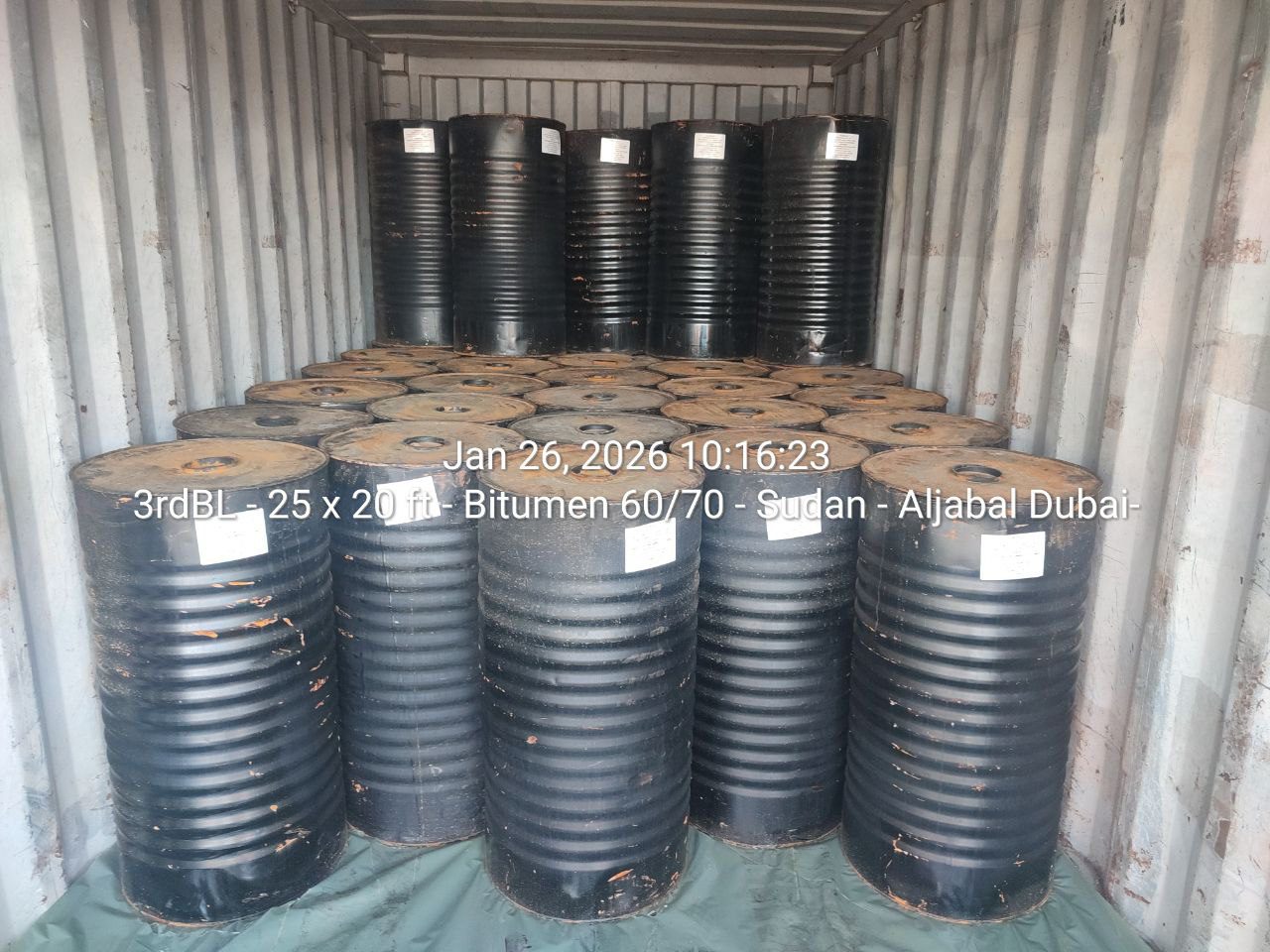
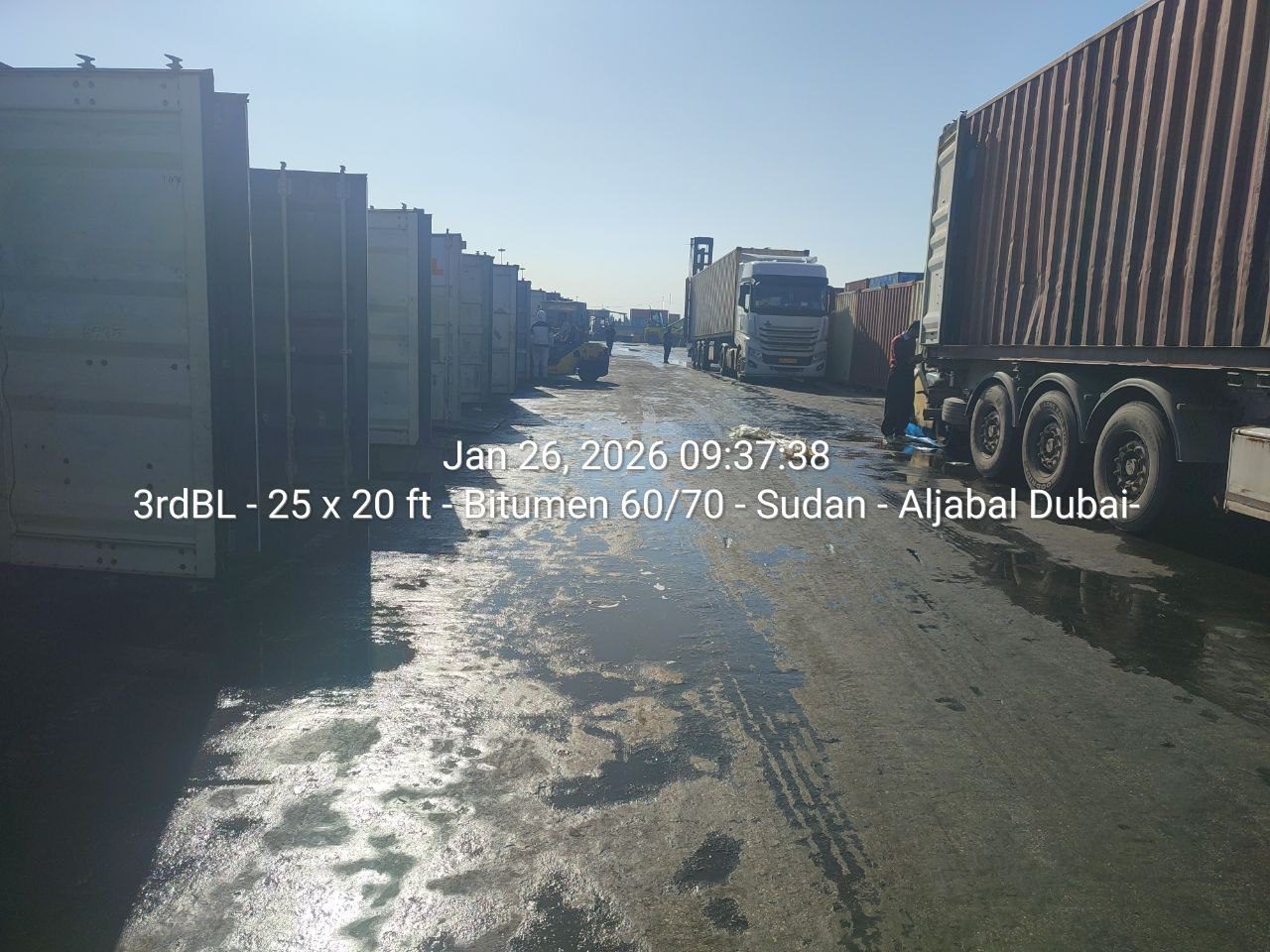
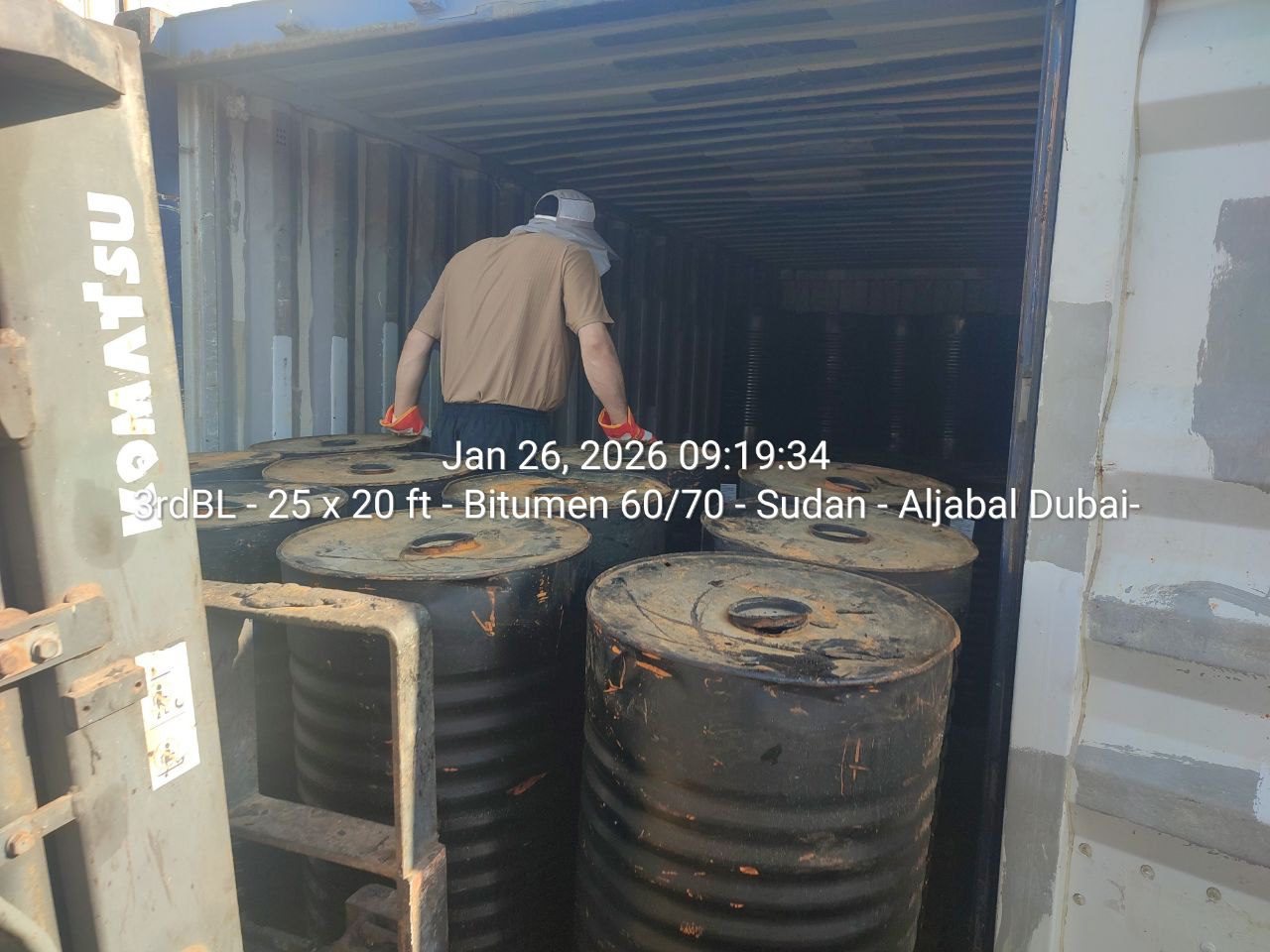
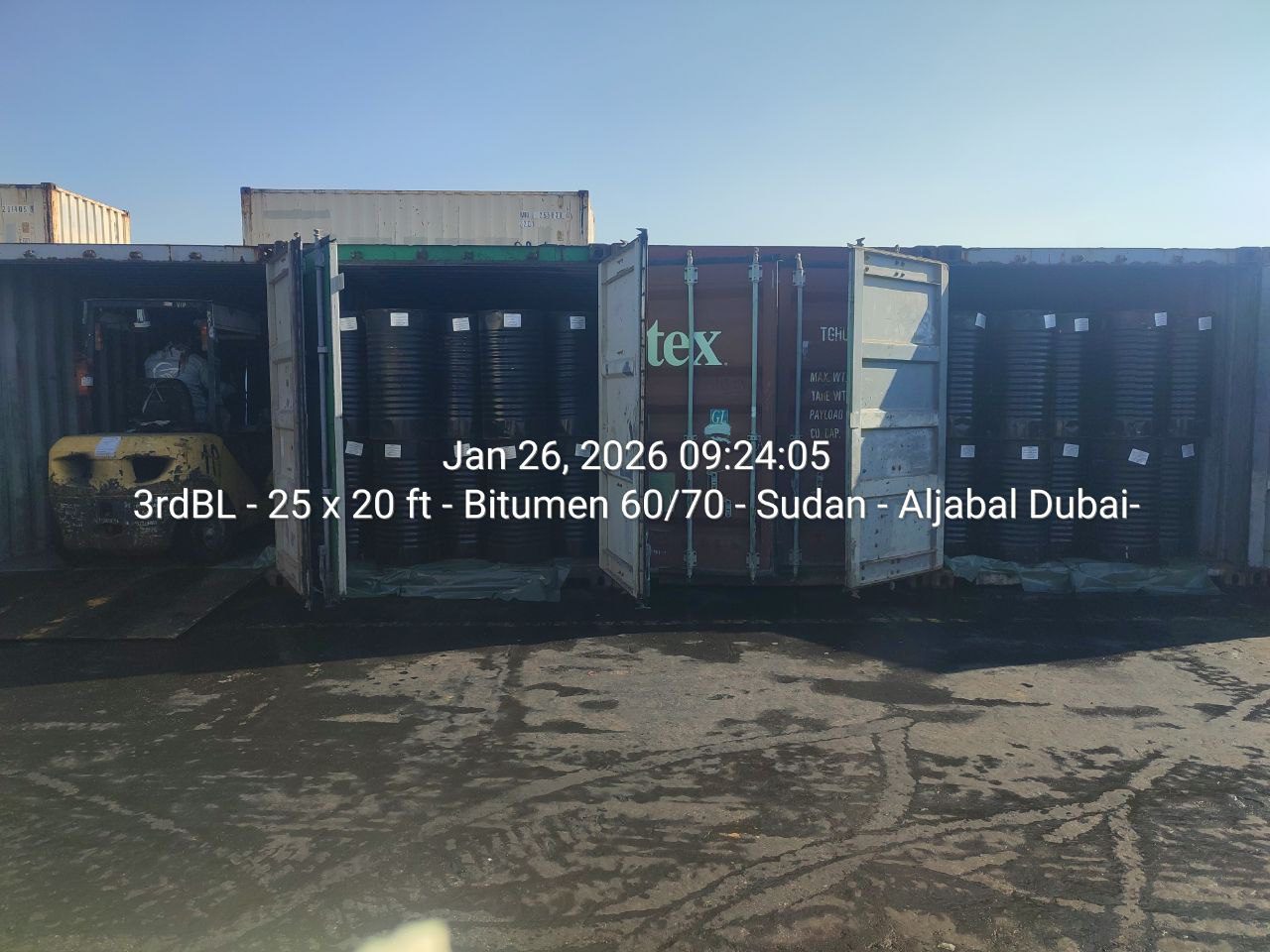
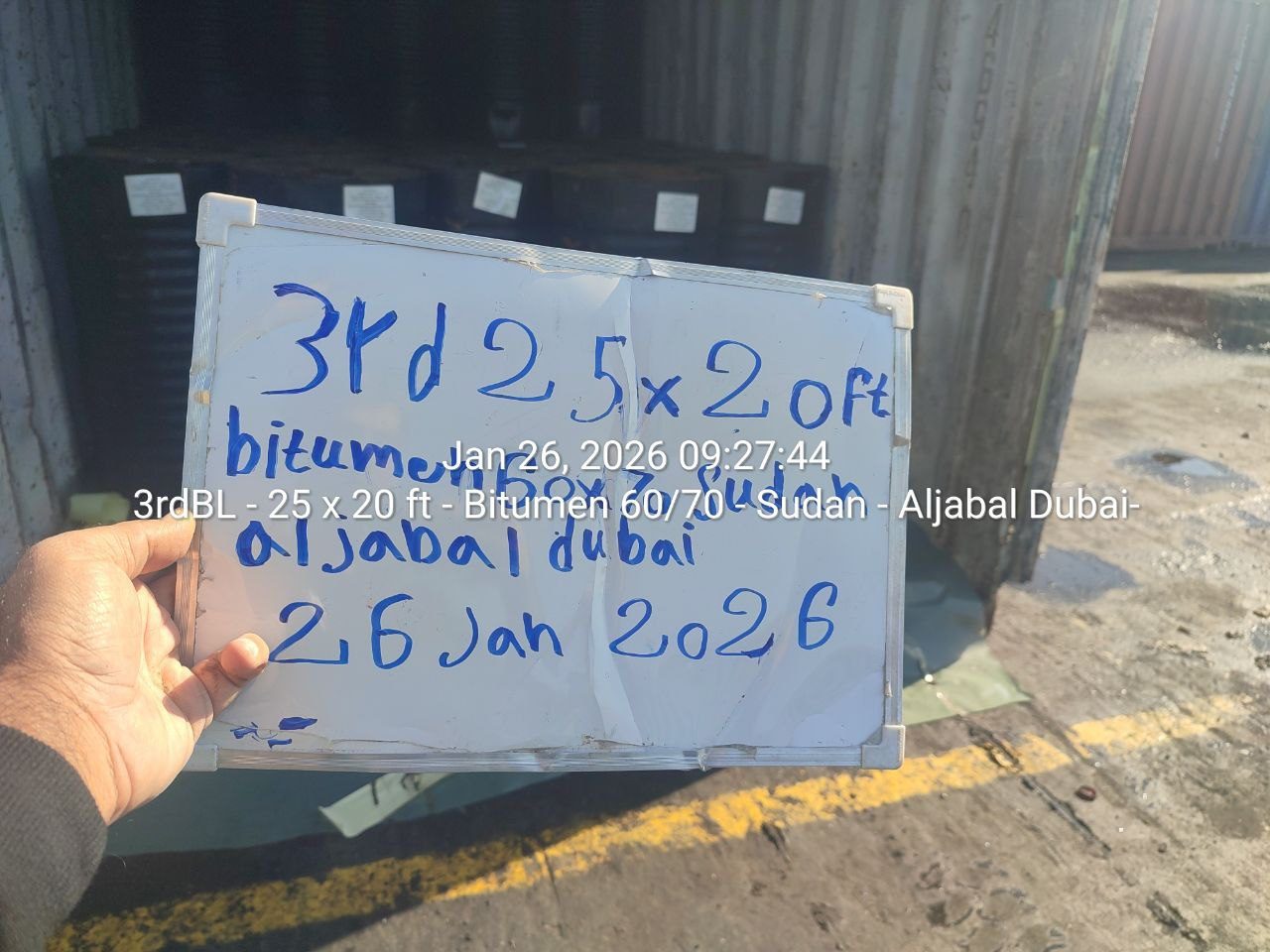
The third part of the January 2026 shipment was dispatched on January 22, 2026, from Jebel Ali Port in the UAE, consisting of 25 containers (20 ft each). Each container carried an average of 550 steel drums, each containing net 180 kg of bitumen 60/70.
These drums were meticulously packed using wooden pallets to avoid movement during transit. All containers were sealed under customs supervision, and container numbers were communicated to the Sudanese importer for tracking. The destination for this consignment was Port Sudan, with final delivery points at multiple construction sites under government-funded infrastructure development programs.
Route and Transit Information
The shipment followed a sea route from Jebel Ali Port (UAE) to Port Sudan, with an estimated transit time of 12–14 days. The cargo was handled by a reputable shipping line known for its timely and secure delivery of bulk industrial goods.
Key details:
- Departure Port: Jebel Ali, Dubai, UAE
- Arrival Port: Port Sudan
- ETA: February 3, 2026
- Transit Duration: ~13 days
- Vessel Type: General cargo vessel, containerized
Upon arrival, AlJabal’s ground team coordinated with port authorities to expedite customs clearance and facilitate delivery to inland construction sites.
Product Quality Assurance
Before the shipment, all drums underwent rigorous quality control testing. Samples were analyzed in a certified lab for:
- Penetration (60/70 mm)
- Softening point
- Ductility
- Flash point
- Specific gravity
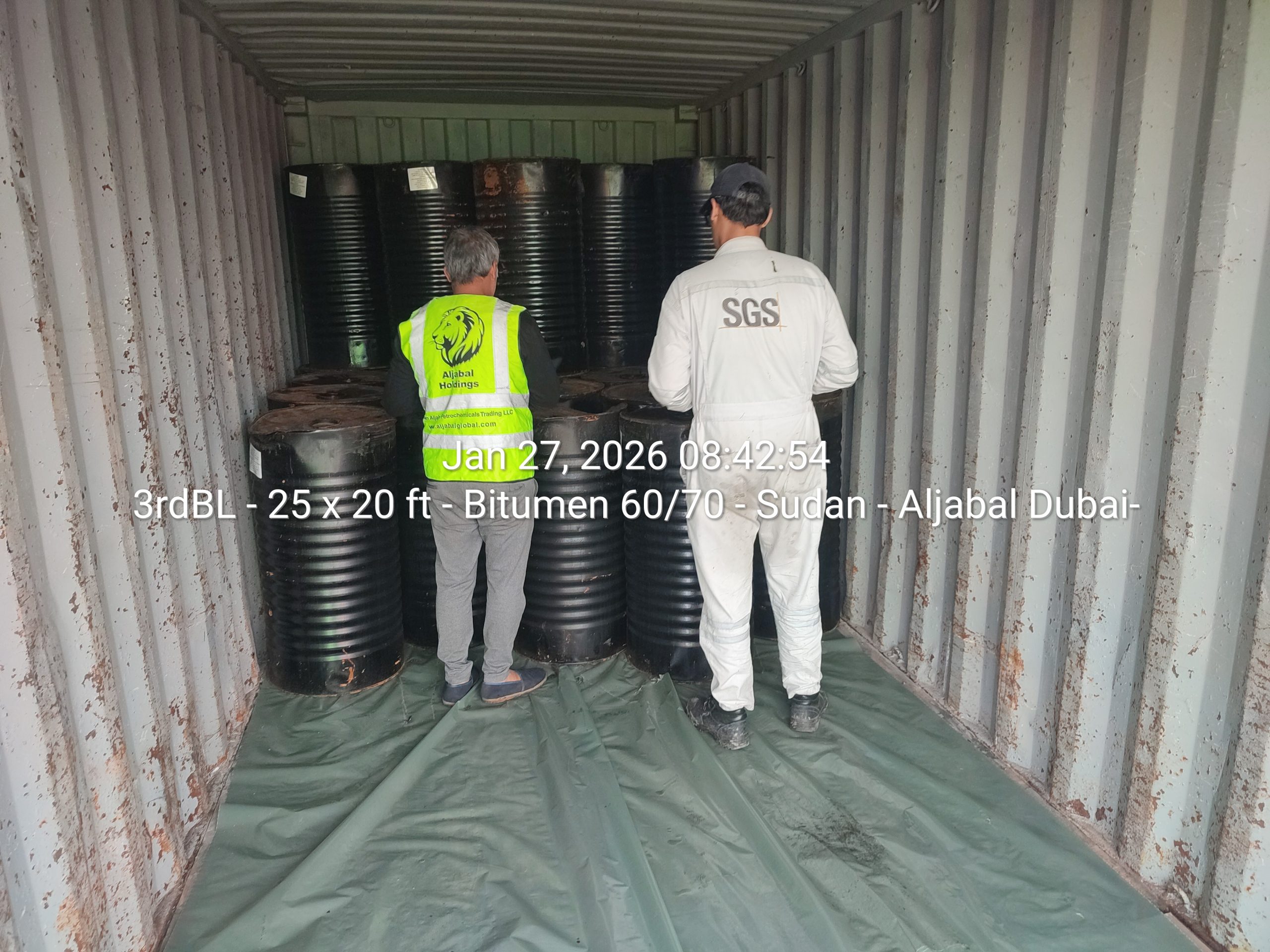
The testing confirmed that the bitumen complied with ASTM D946 standards. Additionally, each drum was marked with batch numbers, manufacturing dates, and specification tags to ensure traceability. Quality inspection reports were issued by SGS and enclosed with the Bill of Lading, ensuring full compliance with Sudanese import quality guidelines.
Challenges in Shipment Handling
Handling bitumen isn’t a walk in the park—it’s a complex task that demands attention to detail, especially when transporting large quantities across borders. The third part of the shipment to Sudan wasn’t immune to a few logistical hiccups, though AlJabal Holding’s experienced team handled them with efficiency.
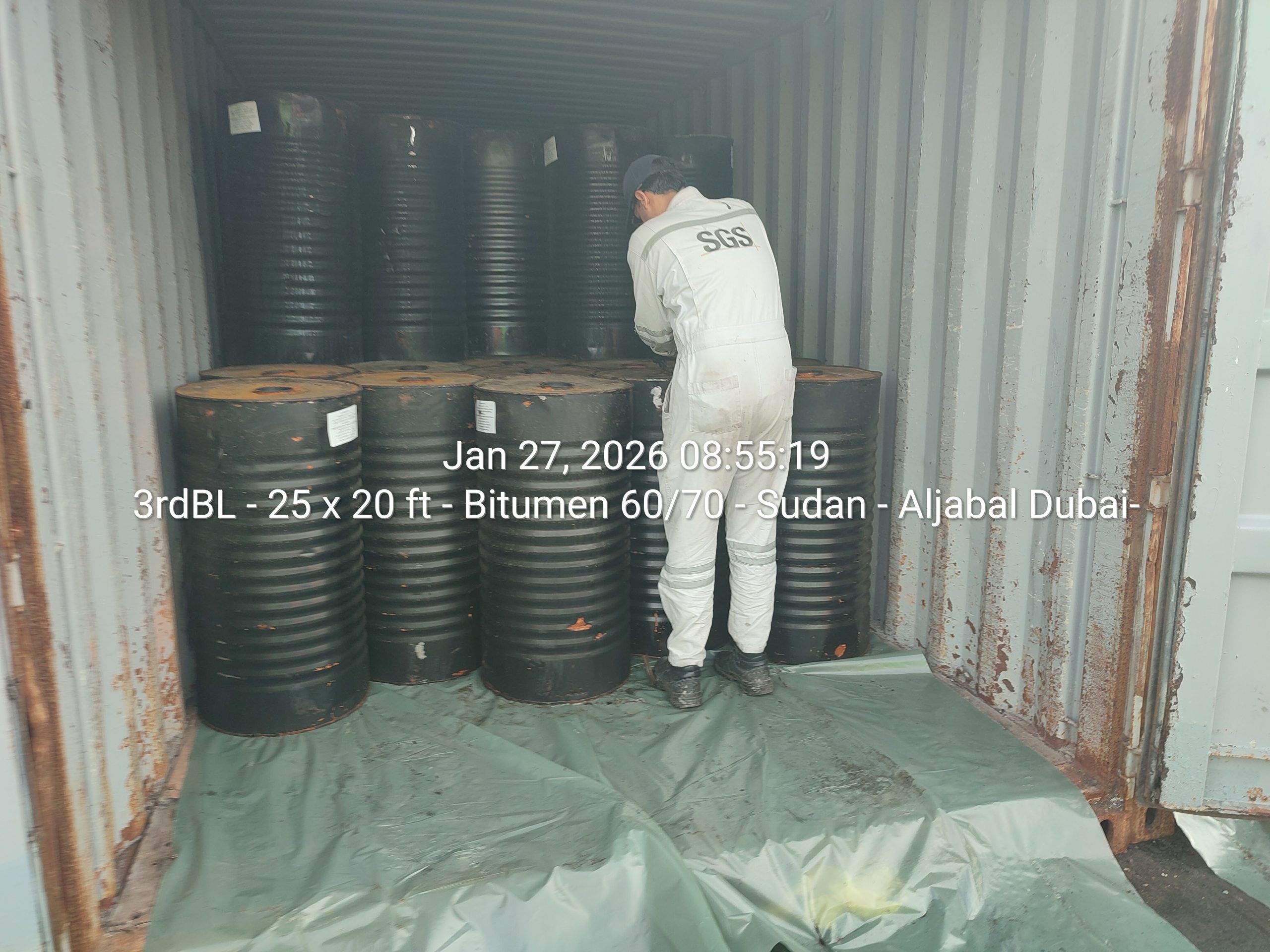
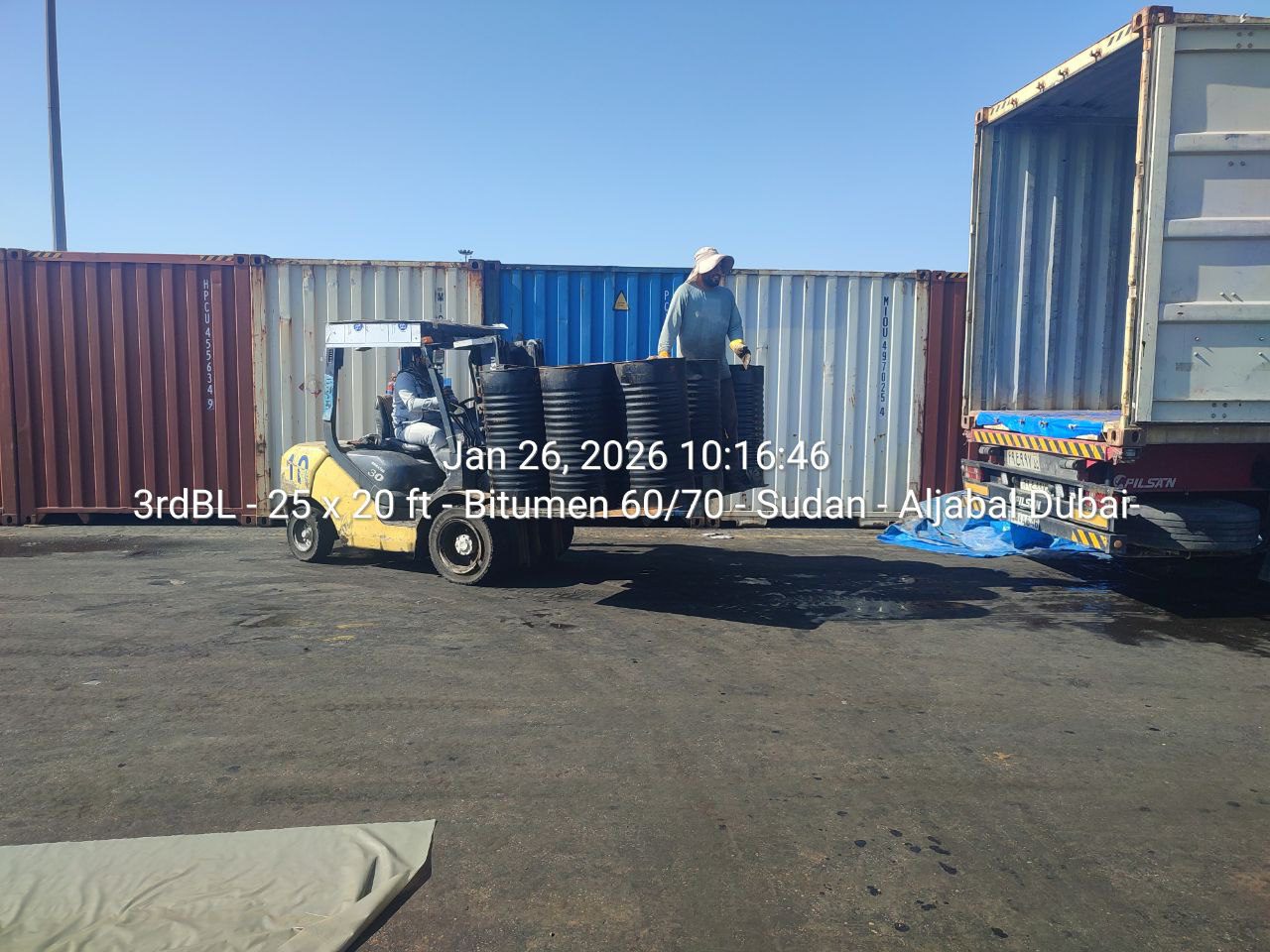
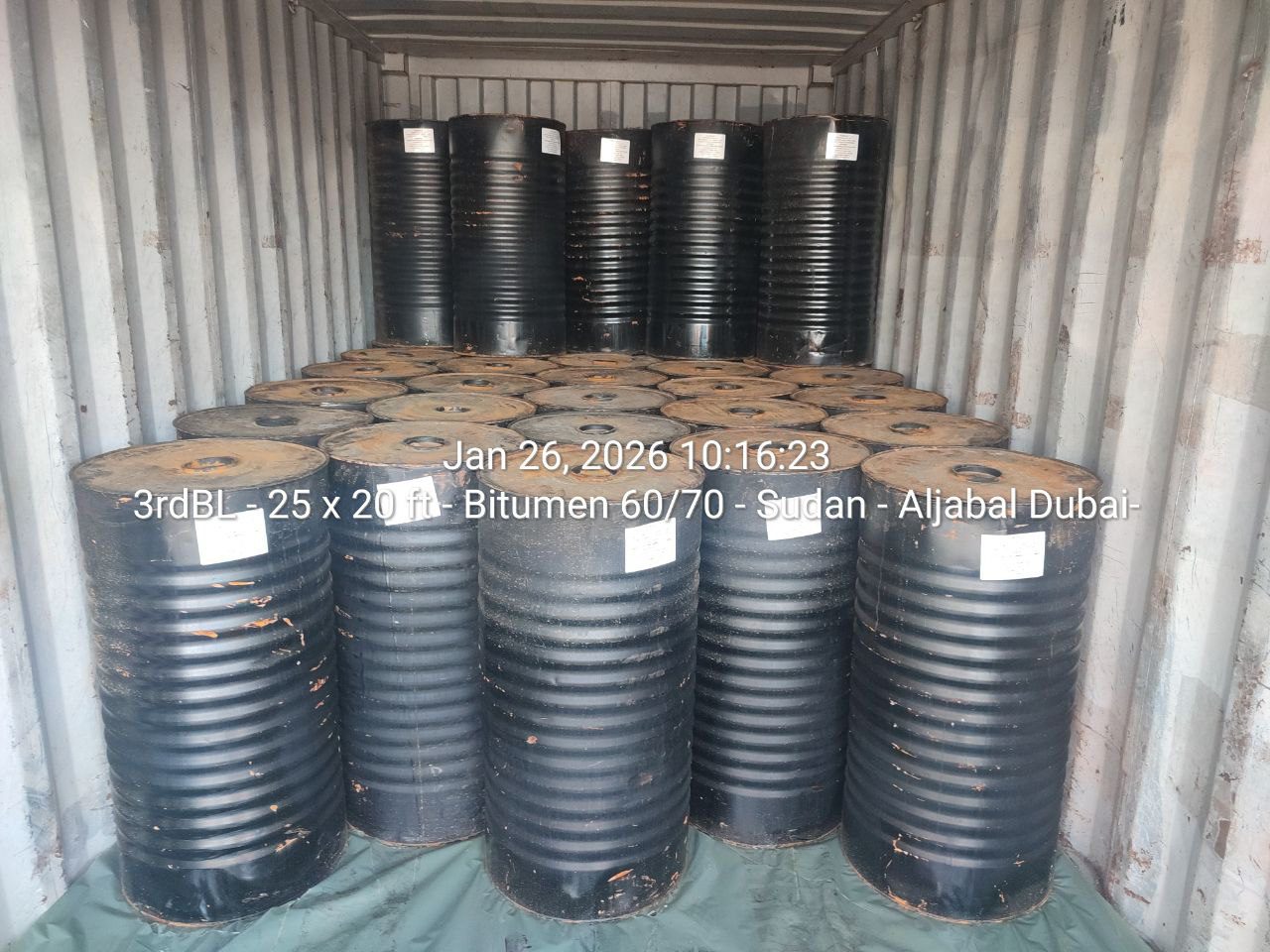
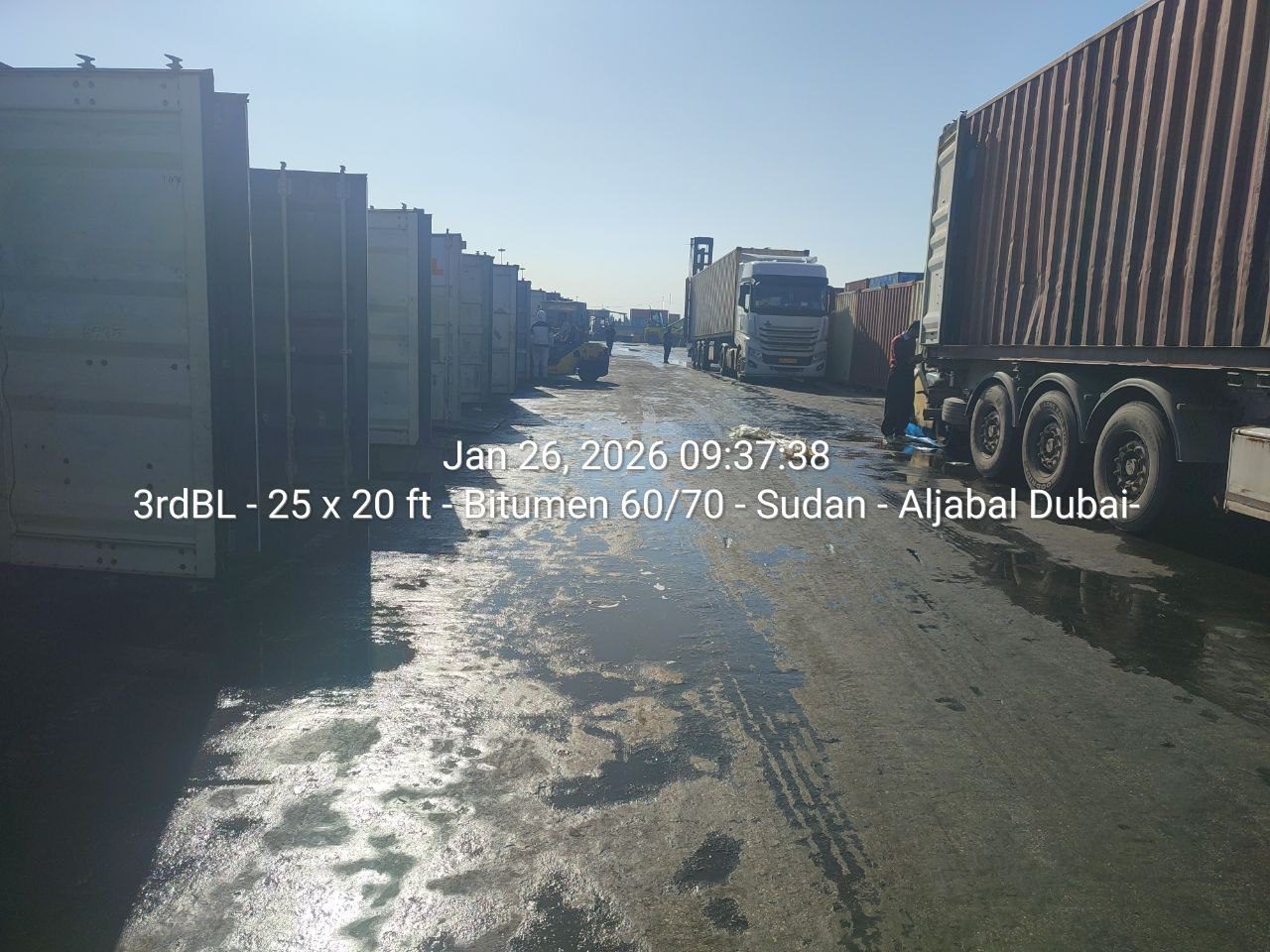
One of the main challenges was temperature sensitivity. Bitumen, by nature, becomes hard and brittle in low temperatures, which can make unloading difficult. Although Sudan’s climate is generally warm, the transit involved crossing through potentially cooler maritime routes in January. To tackle this, AlJabal used temperature-resistant drums and opted for vessels with temperature-moderated holds when necessary. Additionally, shipments were timed strategically to avoid delays due to port congestion, which can increase container exposure time on docks.
Another common challenge was coordinating with multiple authorities across jurisdictions—customs, port operators, shipping agents, and inland transporters. This kind of multi-level coordination can easily go wrong if not planned properly. AlJabal’s use of real-time tracking software and automated document sharing ensured that all stakeholders remained on the same page. Their customs brokers in Sudan pre-cleared most documentation, significantly cutting down unloading time.
Also, currency fluctuations and sudden spikes in fuel prices posed cost management challenges. AlJabal minimized their impact through forward contracts with logistics partners and pre-negotiated shipping rates, which helped keep the operation within budget.
In short, challenges were met head-on with a combination of planning, technology, and team coordination—keeping everything on track, quite literally.
Client Coordination and Communication
AlJabal Holding’s reputation isn’t built solely on what it ships, but also how it communicates. This third shipment was no different. Throughout the process, the Sudanese importer was kept in the loop via daily updates. These included container tracking IDs, vessel information, and customs clearance timelines.
One of the most appreciated aspects was AlJabal’s use of a dedicated account manager who served as the single point of contact for the client. No bouncing around between departments or waiting for email responses. Everything was streamlined and client-friendly.
Moreover, communication wasn’t limited to basic updates. AlJabal also advised the importer on:
- Pre-arrival port arrangements
- Inland transportation logistics
- Document preparation for Sudanese authorities
- Post-delivery inspection procedures
Clients also had access to an online portal where they could download invoices, quality reports, and Bills of Lading, all updated in real-time.
And when unexpected changes occurred—like a delay in the vessel’s arrival—the team didn’t just share the problem. They proposed solutions: alternative offloading slots, rescheduling inland trucks, or extending unloading crew hours. This proactive communication style went a long way in strengthening trust and satisfaction.
Environmental Considerations
Shipping industrial products like bitumen comes with environmental responsibilities. AlJabal Holding takes these seriously and incorporates eco-friendly practices throughout the logistics chain.
For starters, bitumen drums used in this shipment were made of recyclable steel. Once emptied, these drums can be reused by the customer for storage or returned through a recycling partner in Sudan. This minimizes environmental waste and encourages sustainable use of materials.
During loading and offloading, AlJabal ensures that there’s zero spillage. Spill trays, absorbent pads, and emergency kits were part of the handling toolkit. Additionally, the shipping vessel used complies with IMO environmental guidelines, ensuring low emissions and safe fuel practices.
The team also takes care not to leave any residue at port facilities. Cleaning operations post-loading are thoroughly carried out using non-toxic agents, and any waste material is disposed of per international maritime disposal laws.
Bitumen may not be a “green” product per se, but the process of transporting it can still adhere to responsible environmental practices, which AlJabal proudly maintains.
Economic Impact on Sudan
This shipment of bitumen isn’t just an export transaction—it’s a foundation for economic development. With roads being the arteries of commerce and connectivity, bitumen is literally paving the way for progress in Sudan.
The delivery of the third part of the shipment directly supported:
- Ongoing highway construction in Khartoum State
- Rural access road development projects
- Rehabilitation of deteriorated road networks
The ripple effect of these projects includes:
- Job creation in road construction, engineering, logistics, and maintenance.
- Improved access to markets, helping farmers and traders transport goods more efficiently.
- Boosted regional trade, as better infrastructure enables smoother cross-border movement.
Local contractors also benefited from using high-grade bitumen, reducing repair cycles and long-term costs. AlJabal Holding, by delivering on time and as promised, helped keep several infrastructure projects on schedule—a major win for Sudan’s economic growth and stability.
Customs and Regulatory Compliance
Sudan has stringent regulations when it comes to importing chemical-based industrial goods like bitumen. Thankfully, AlJabal Holding is no stranger to these protocols. For this shipment, all documentation was compliant with Sudanese customs regulations, including:
- Commercial Invoice
- Certificate of Origin
- Packing List
- SGS Inspection Certificate
- Certificate of Conformity (COC)
- Bill of Lading
A pre-arrival customs declaration was filed electronically to reduce port clearance time. The importer in Sudan was also provided with all original documents via courier, and scanned copies via email, several days before the vessel’s arrival.
On arrival, customs inspectors physically verified the seal numbers and conducted a sample inspection. Thanks to AlJabal’s transparent process and pre-inspection certification, the clearance took less than 48 hours—a significant efficiency in international shipping.
Packaging and Labeling Specifications
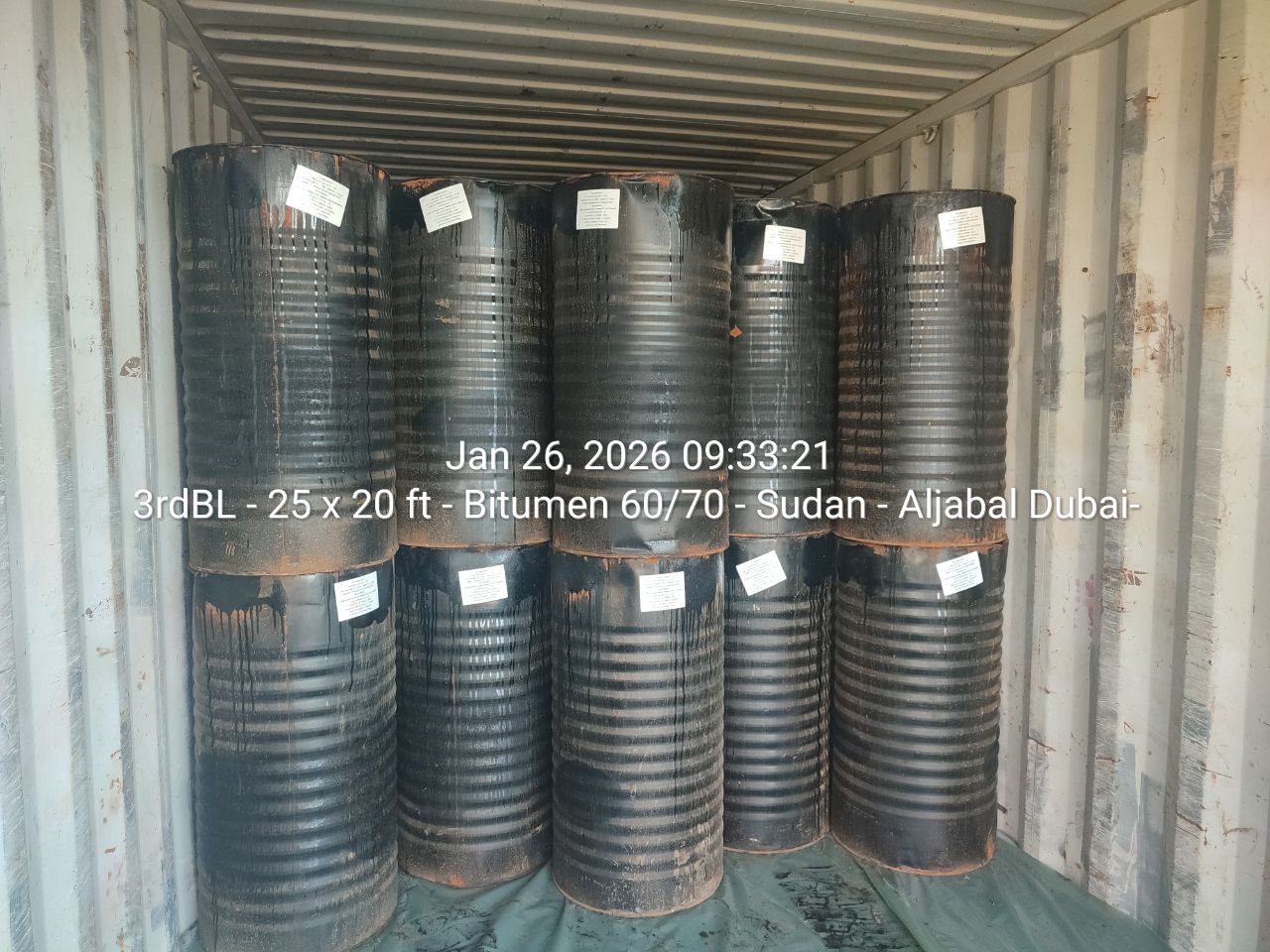
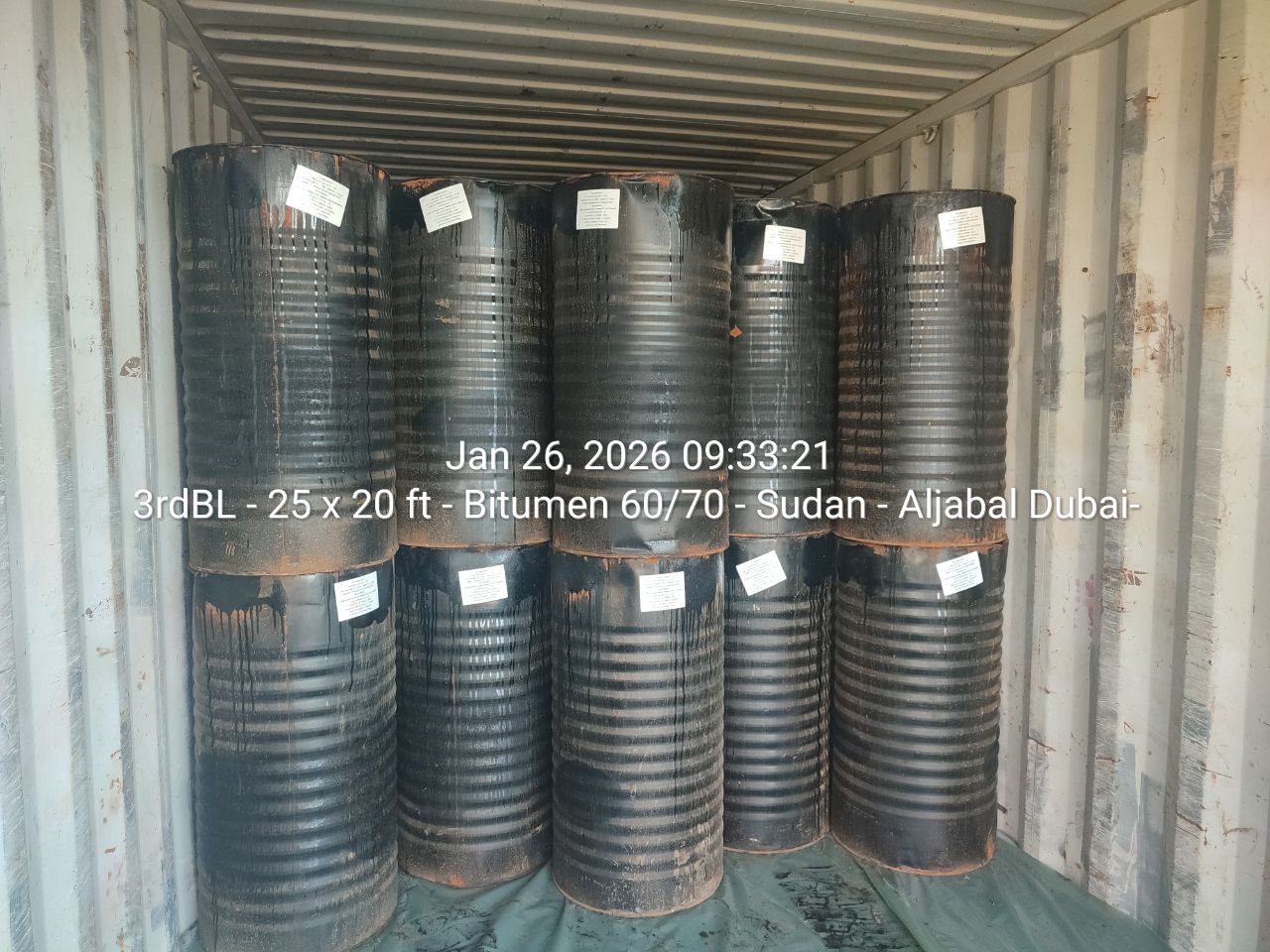
Bitumen is a heavy, sticky substance that demands careful packaging. For this third part of the shipment, AlJabal used newly manufactured 180 kg steel drums, each lined with an anti-stick coating on the interior.
Each drum was:
- Heat-sealed and crimped to prevent leakage
- Labeled with:
- Batch number
- Manufacturing date
- Gross/net weight
- Handling instructions
- Hazard markings (as per IMO classification)
The drums were loaded on heat-treated wooden pallets, with each pallet holding 4 drums, and tightly strapped to prevent movement. Containers were loaded in a way to balance weight and avoid any shifting during sea transport.
This attention to detail ensured zero leakage or damage on arrival—demonstrating AlJabal’s dedication to quality and safety.
Risk Management in Bitumen Shipping
When it comes to shipping industrial materials like bitumen, risk management isn’t optional—it’s essential. AlJabal Holding approaches this with a structured and proactive strategy that covers both predictable and unforeseen issues.
One of the biggest risks in bitumen shipping is leakage or container damage during transit. Bitumen, especially at the 60/70 penetration grade, can become highly viscous or even solidify if exposed to fluctuating temperatures. To reduce this risk, AlJabal only uses certified, leak-proof drums. Each container is loaded following strict weight distribution rules, and drums are inspected before and after loading to prevent loading errors or stacking issues.
To cover potential losses or damages, every shipment is insured under a Comprehensive Marine Cargo Policy. This includes:
- All-risk insurance coverage
- Transit coverage from warehouse to end destination
- Coverage for damage due to natural disasters or handling issues
Another key element in AlJabal’s risk management is emergency preparedness. Each shipping container includes a detailed Material Safety Data Sheet (MSDS), so port and customs authorities are fully informed on how to handle the cargo in case of an incident.
And let’s not forget port-related risks, such as congestion or strikes. These are mitigated by having backup berthing windows and alternative trucking partners ready, especially in Port Sudan where offloading bottlenecks are more common.
This thorough approach keeps delays and damages to a minimum—and keeps AlJabal’s delivery performance consistently high.
Customer Feedback and Satisfaction
Feedback from clients is one of the strongest indicators of business success, and in the case of the third part of the January 2026 shipment, AlJabal Holding received glowing reviews. The Sudanese importer praised the team’s professionalism, punctuality, and crystal-clear communication throughout the process.
Here’s what they highlighted:
- Timely updates: Every stage of the journey, from loading to transit to customs clearance, was transparently communicated.
- Product integrity: Drums arrived without dents, leaks, or contamination.
- Clear documentation: Every document required for customs, payment, and storage was accurate and delivered ahead of time.
- After-sales support: Even after delivery, the team checked in with the client to confirm the drums were offloaded properly and provided guidance on optimal storage.
This shipment also served as a learning model for future deliveries. The client suggested minor tweaks in delivery timing to avoid congestion at their warehouse—feedback that AlJabal has already integrated into their next phase planning.
In short, this third shipment wasn’t just delivered—it was delivered with professionalism, precision, and care, which are the cornerstones of AlJabal Holding’s service philosophy.
Conclusion
The third phase of AlJabal Holding’s 25×20 ft containers of bitumen 60/70 shipment to Sudan in January 2026 stands as a model of efficient logistics, uncompromising quality, and strategic execution. From loading at Jebel Ali Port to successful offloading at Port Sudan, every detail was handled with precision.
By using robust packaging, maintaining strict compliance with customs regulations, and ensuring active communication throughout, AlJabal once again demonstrated why it’s a trusted name in international bitumen supply.
This delivery didn’t just meet expectations—it exceeded them, supporting critical infrastructure development in Sudan and further strengthening the commercial bridge between the two nations.
Looking ahead, AlJabal plans to continue its reliable and scalable logistics model for future shipments, setting a gold standard in bitumen exports in the region.
FAQs
1. What is the purpose of bitumen 60/70 in Sudan’s infrastructure?
Bitumen 60/70 is primarily used for paving roads and highways. It offers the ideal balance between flexibility and durability, which is crucial for withstanding the intense heat and heavy traffic in Sudan.
2. How many drums were included in the third shipment of bitumen?
The third part of the shipment included approximately 550 steel drums, each containing 180 kg of bitumen, totaling around 99 metric tons.
3. How does AlJabal ensure the quality of the bitumen during transit?
AlJabal uses steel drums with anti-stick coatings, seals containers securely, performs pre-shipment quality tests, and ships under temperature-controlled conditions where needed.
4. Was the shipment insured?
Yes, the entire shipment was covered under a comprehensive marine cargo insurance policy, protecting against losses, damages, or delays during transit.
5. How long did it take for the shipment to reach Port Sudan?
The sea journey from Jebel Ali Port to Port Sudan took approximately 12–14 days, depending on port scheduling and weather conditions.