Introduction to Strategic Commodity Supply Chains
Why Bitumen, Urea, and Sulfur Matter in Wartime
When conflict disrupts global stability, certain commodities suddenly become more valuable than gold. Bitumen, urea, and sulfur are not flashy resources, but they sit at the core of infrastructure, agriculture, and industrial resilience. Think about it—roads must still be built, crops must still grow, and industries must keep running even when geopolitical tensions rise. Bitumen is essential for road construction and military logistics routes, urea fuels agriculture and food security, and sulfur supports everything from fertilizers to chemical manufacturing.
In wartime conditions like April 2026, supply chains are stretched thin, and access to these materials becomes a strategic advantage. Countries and companies scramble to secure reliable sources, often turning to regions that remain relatively stable and operational. Turkey, positioned between Europe, Asia, and the Middle East, becomes a natural hub. Its ability to continue exporting key commodities while surrounding regions face instability gives it a powerful role in global trade dynamics.
Overview of Aljabal Holding’s Role
In this high-stakes environment, Aljabal Holding emerges as a critical supplier, leveraging Turkey’s logistical strengths to deliver essential commodities. The company focuses on exporting bitumen, urea, and sulfur from Mersin Port, ensuring continuity in supply despite the surrounding uncertainties. What sets Aljabal apart is its adaptability—offering flexible shipping terms, scalable volumes, and quick response to market shifts.
Rather than relying on rigid supply chains, Aljabal operates more like a dynamic network, adjusting sourcing and delivery based on demand spikes and geopolitical developments. This flexibility becomes crucial during wartime when delays or disruptions can have cascading effects. By maintaining steady exports, the company not only supports its clients but also contributes to stabilizing regional markets that might otherwise face severe shortages.
Mersin Port – A Critical Mediterranean Gateway
Geographic and Economic Importance
Mersin Port is not just another shipping terminal—it’s a strategic lifeline connecting Turkey to the Mediterranean, Middle East, and beyond. Located on the southern coast, it serves as a major trade gateway for agricultural goods, industrial materials, and bulk commodities. Its proximity to key production zones and conflict-affected regions makes it particularly valuable during times of crisis.
The port connects the Adana-Gaziantep industrial corridor with international markets, enabling efficient movement of goods even when other routes are compromised. Historically, it has also served as a transit hub for trade into neighboring regions, including Syria and Iraq, which further enhances its relevance during geopolitical instability.
2026 Expansion and Capacity Growth
Recent developments have strengthened Mersin’s position even further. The port underwent a major expansion, increasing its annual capacity to 3.6 million TEUs by 2026, allowing it to handle larger vessels and higher cargo volumes.
This expansion isn’t just about numbers—it’s about resilience. With increased capacity and improved infrastructure, Mersin can accommodate surges in demand, particularly for bulk commodities like bitumen and sulfur. For companies like Aljabal Holding, this means faster turnaround times, reduced congestion, and the ability to scale operations during peak demand periods.
War-Time Logistics Challenges in April 2026
Disruptions in Global Trade Routes
War has a way of rewriting the rules of logistics overnight. Shipping lanes that were once reliable can suddenly become high-risk zones, insurance costs skyrocket, and transit times become unpredictable. In April 2026, global trade is facing exactly these challenges, with multiple regions experiencing instability.
For commodity traders, this creates a domino effect. Delays in one region can lead to shortages in another, driving up prices and increasing competition for available supplies. Ports like Mersin, which remain operational and relatively secure, become critical nodes in maintaining global trade flow.
Risk Factors Affecting Supply Chains
Several risk factors dominate the landscape:
Political instability affecting neighboring regions
Rising transportation costs due to fuel price volatility
Insurance premiums for shipping through high-risk zones
Supply shortages caused by disrupted production
These challenges force companies to rethink their strategies. Instead of relying on long, complex supply chains, many turn to regional hubs like Turkey that can provide both stability and efficiency.
Bitumen Supply Chain from Turkey
Industrial Uses and Demand Surge
Bitumen, often associated with road construction, becomes even more critical during wartime. Damaged infrastructure needs rapid repair, and new routes must be established for military and humanitarian logistics. This drives a sharp increase in demand, particularly in regions close to conflict zones.
Turkey’s bitumen production and export capabilities position it as a key supplier. With specifications like 60/70 penetration grade, Turkish bitumen meets international standards, making it suitable for a wide range of applications.
Export Logistics via Mersin
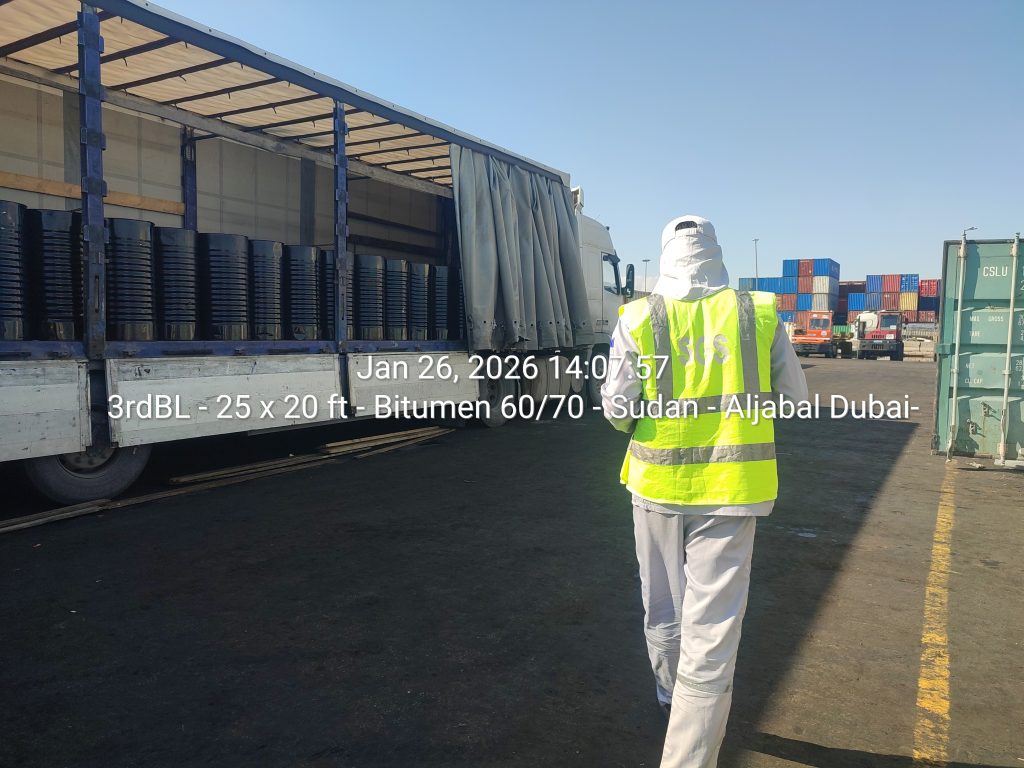
Shipping bitumen requires specialized handling, including temperature-controlled storage and dedicated vessels. Mersin Port’s facilities support these requirements, enabling efficient loading and export. Aljabal Holding leverages this infrastructure to ensure consistent supply, even when demand spikes unexpectedly.
Urea Supply in Agricultural and Military Contexts
Fertilizer Demand During Crisis
Food security becomes a top priority during wartime, and urea plays a central role as a nitrogen-rich fertilizer. Without it, crop yields can drop significantly, leading to shortages and rising prices. This makes urea one of the most sought-after commodities during crises.
Chemical Industry Applications
Beyond agriculture, urea is used in various industrial processes, including the production of resins and explosives. This dual-use nature adds another layer of strategic importance, particularly in conflict scenarios.
Sulfur Supply and Strategic Importance
Industrial and Defense Uses
Sulfur is a key component in the production of sulfuric acid, which is used in fertilizers, chemicals, and even some defense applications. Its demand often rises in parallel with industrial activity, making it a critical resource during both peace and conflict.
Global Market Volatility
Sulfur markets are highly sensitive to supply disruptions. Any interruption in production or transportation can lead to sharp price fluctuations, creating opportunities and risks for traders.
Pricing Trends and Market Volatility (2026)
Recent data shows that global trade tensions and fluctuating oil prices are influencing commodity markets in Turkey. Declines in upstream costs and shifting demand patterns are creating a complex pricing environment.
Conclusion
Aljabal Holding’s operations from Mersin Port highlight how strategic positioning and adaptability can overcome even the most challenging. In April 2026, as war disrupts global trade, the ability to supply essential commodities like bitumen, urea, and sulfur becomes not just a business advantage but a critical contribution to economic stability.
FAQs
- Why is Mersin Port important during wartime?
Because it remains operational and strategically located, allowing uninterrupted trade flows.
- What makes bitumen critical in conflict situations?
It supports infrastructure repair and logistics routes.
- How does urea impact food security?
It boosts agricultural productivity, ensuring stable food supply.
- Why is sulfur considered strategic?
It’s essential for fertilizers and industrial chemicals.
- How does Aljabal Holding manage risks?
By using flexible logistics, diversified sourcing, and strategic port operations.