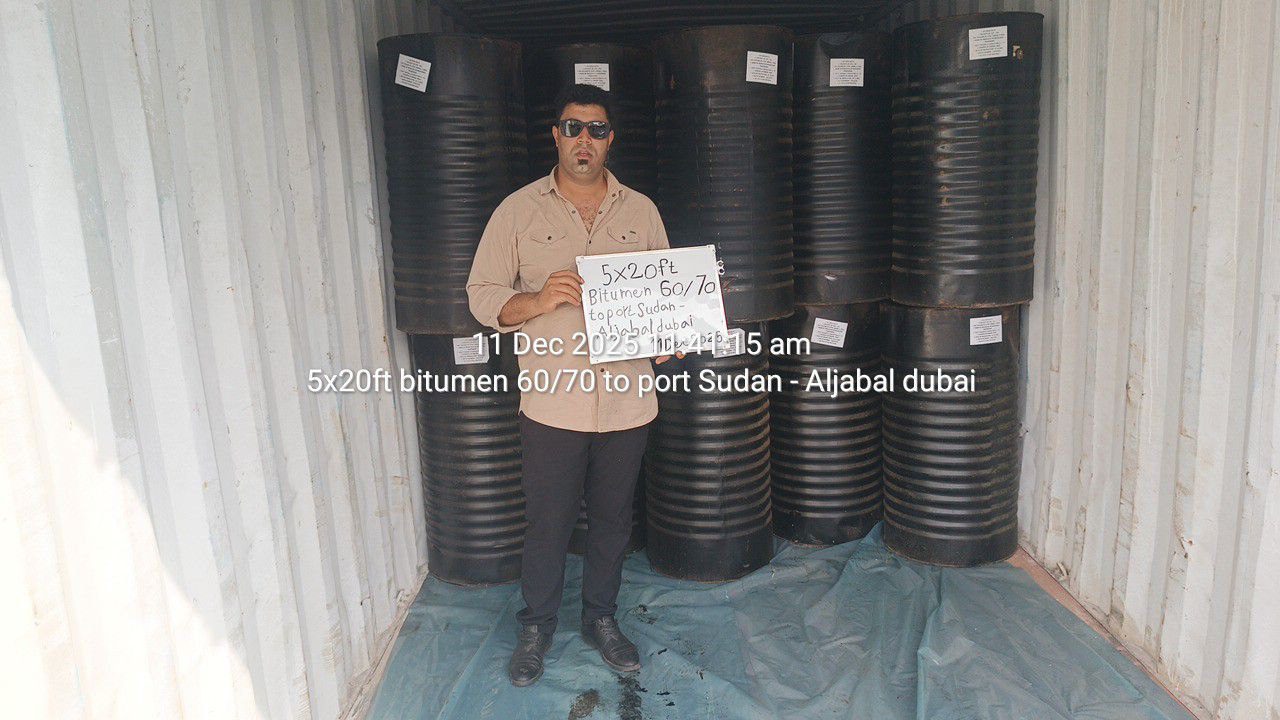
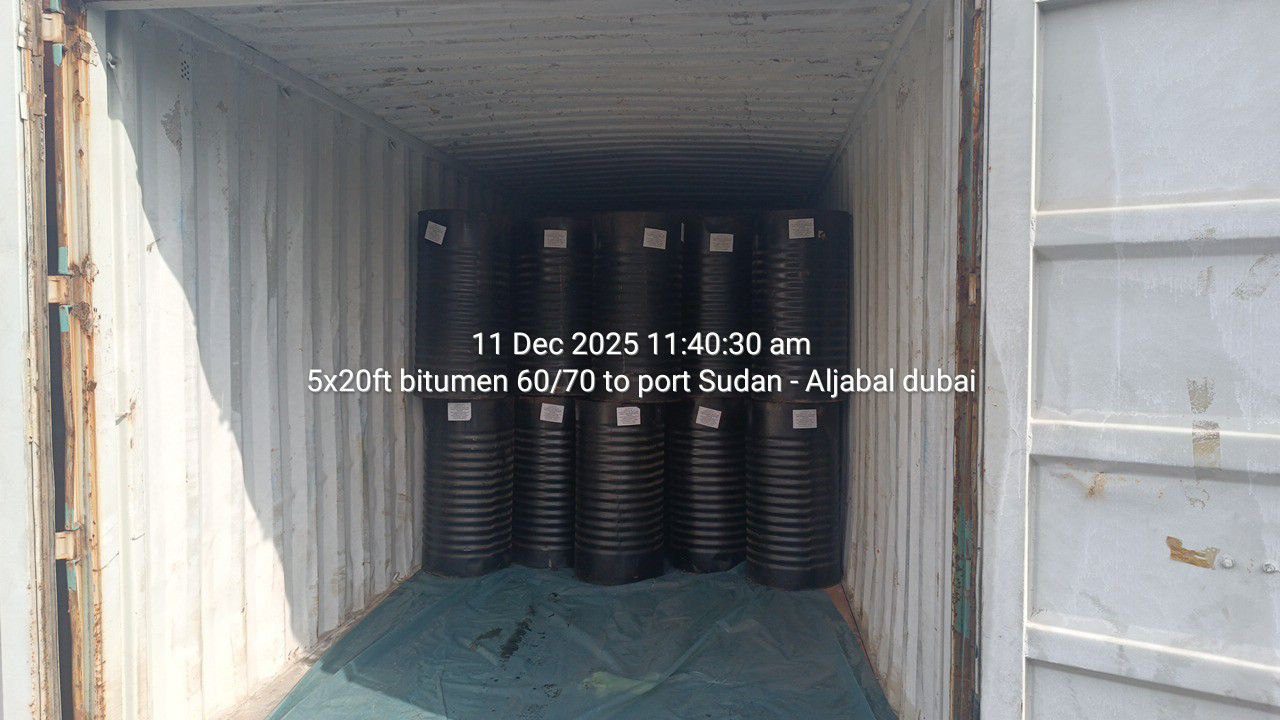
This report provides a comprehensive overview of the export of 6 x 20 ft containers of Bitumen 60/70 shipped to Port Sudan in December 2025 by Aljabal Holding. Think of it as a full journey map—from planning and production to delivery and impact—written in plain language but grounded in industry reality.
The shipment represents a strategically planned export aimed at supporting infrastructure development in Sudan. With six standard 20-foot containers loaded with premium-grade Bitumen 60/70, this consignment underscores Aljabal Holding’s capability to deliver consistent quality at scale, on time, and in compliance with international standards.
Aljabal Holding is a diversified trading and industrial group with a strong footprint in energy, construction materials, and logistics. Over the years, the company has built a reputation for reliability—kind of like that supplier who always shows up early and never cuts corners.
In the bitumen market, trust is currency. Aljabal Holding operates as a dependable exporter, supplying penetration-grade bitumen to infrastructure-hungry markets across Africa and the Middle East.
Key destinations include East Africa, the Horn of Africa, and select Red Sea ports, with Port Sudan standing out as a vital gateway for inland distribution.
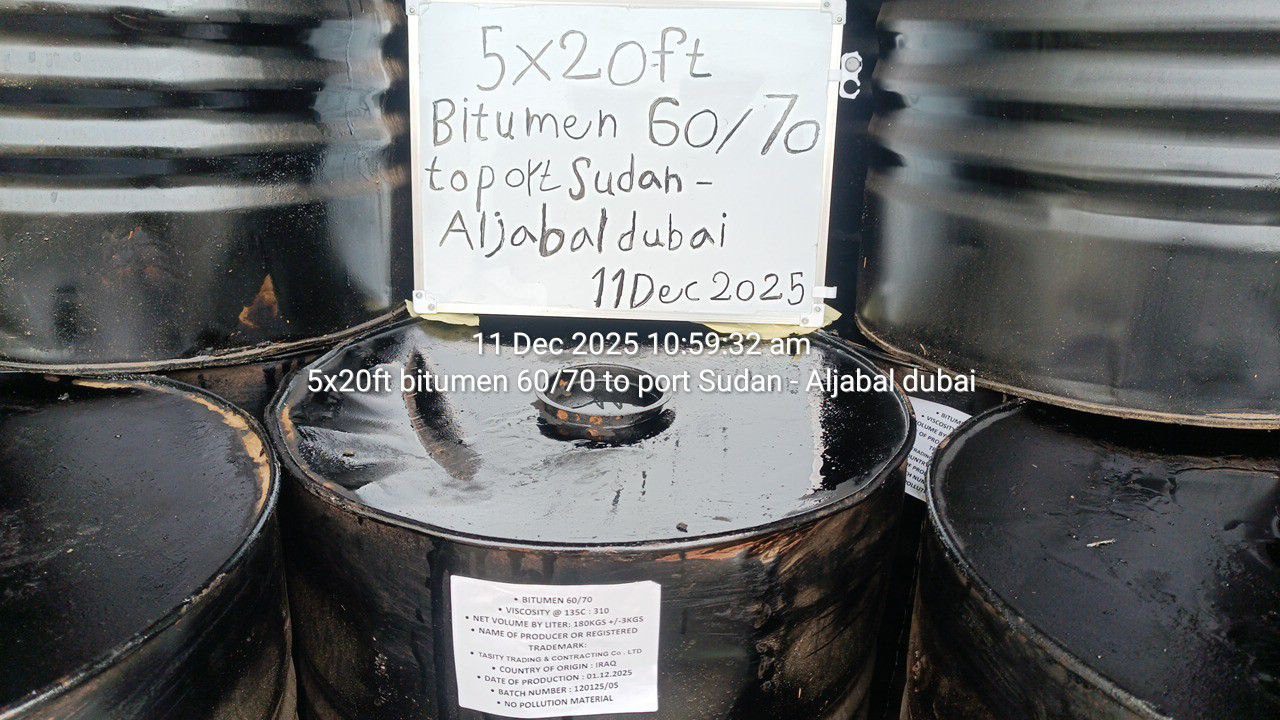
Bitumen 60/70 is a penetration-grade asphalt commonly used in road construction. The “60/70” refers to its penetration value, indicating a balanced hardness suitable for moderate climates.
For countries investing heavily in roads, Bitumen 60/70 is like a sturdy pair of boots: built to last, flexible enough to handle stress, and dependable under pressure.
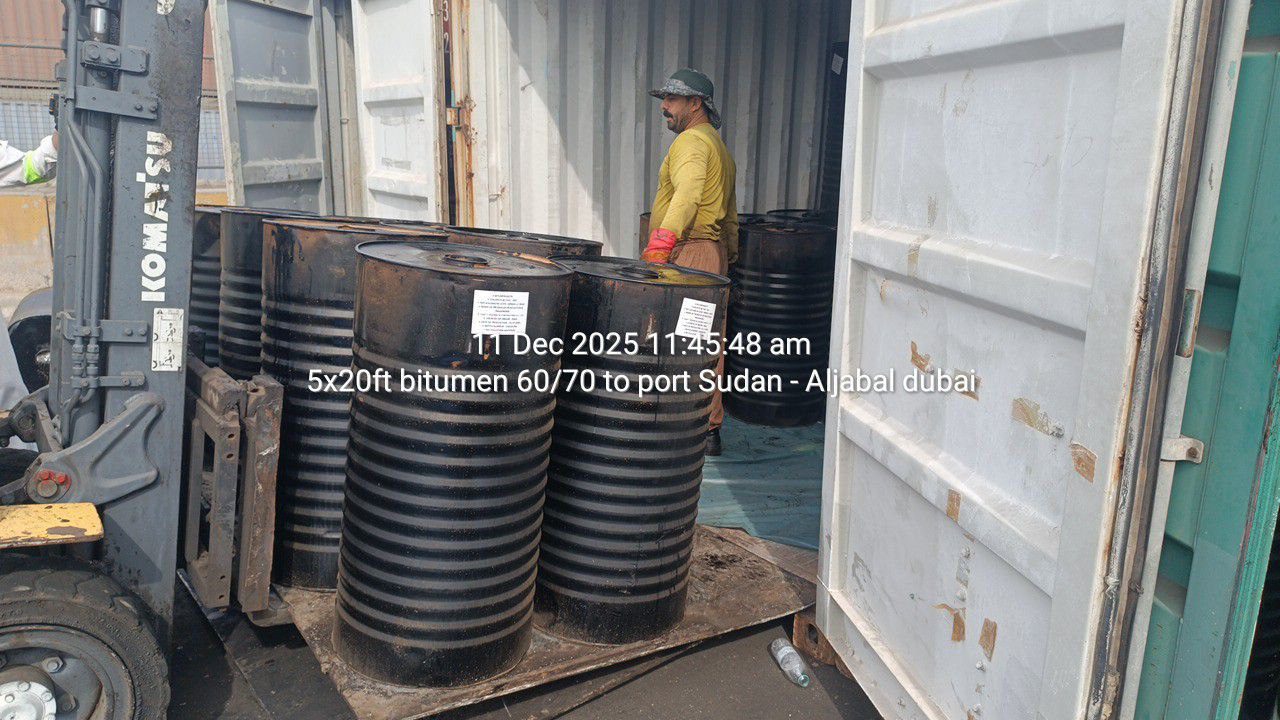
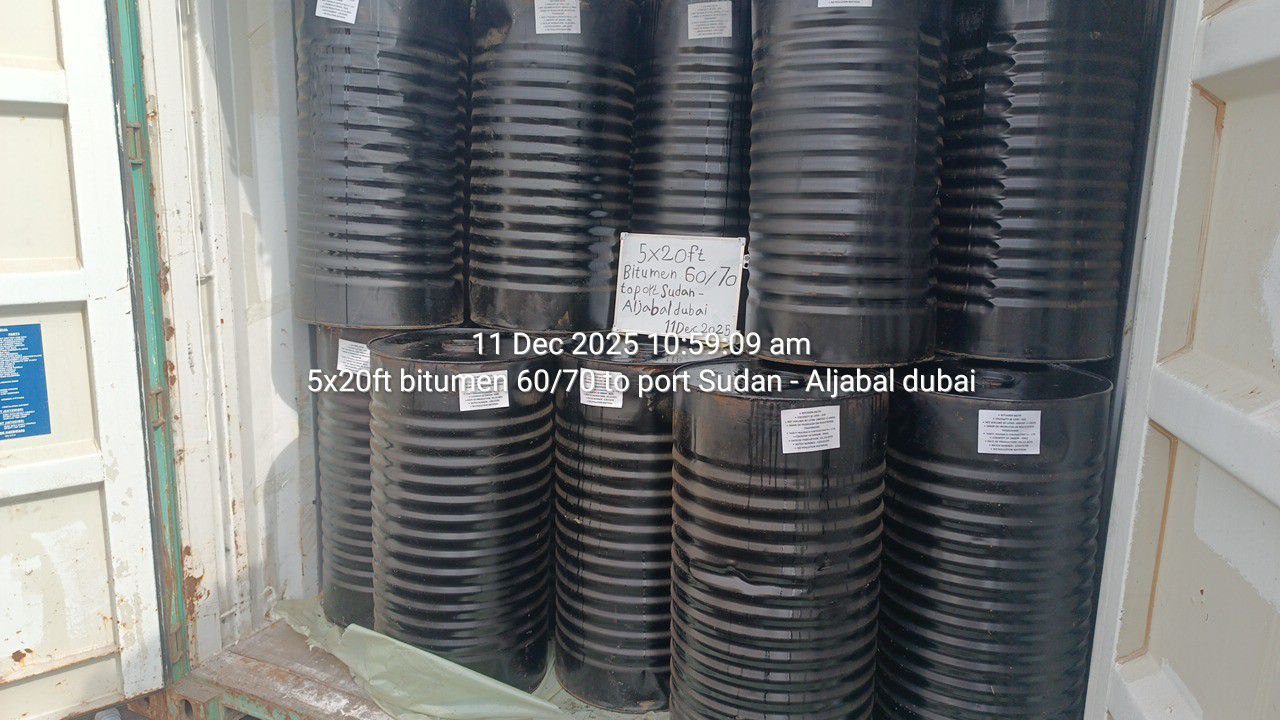
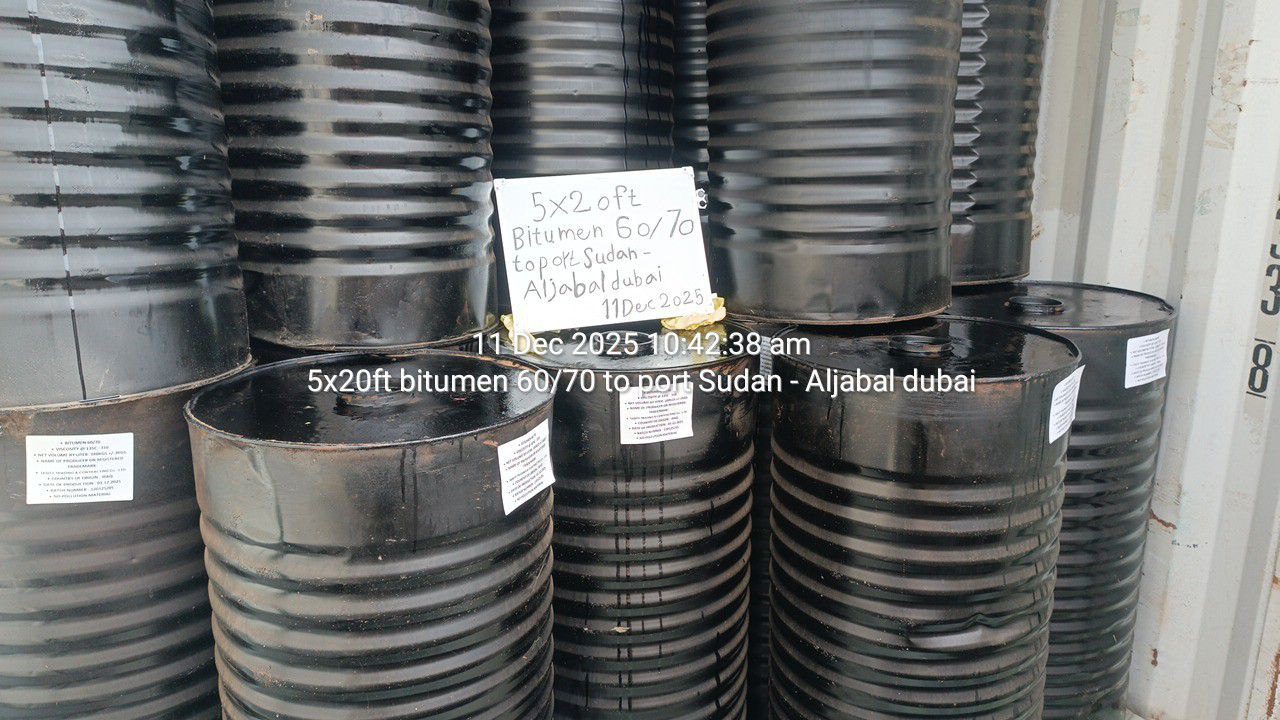
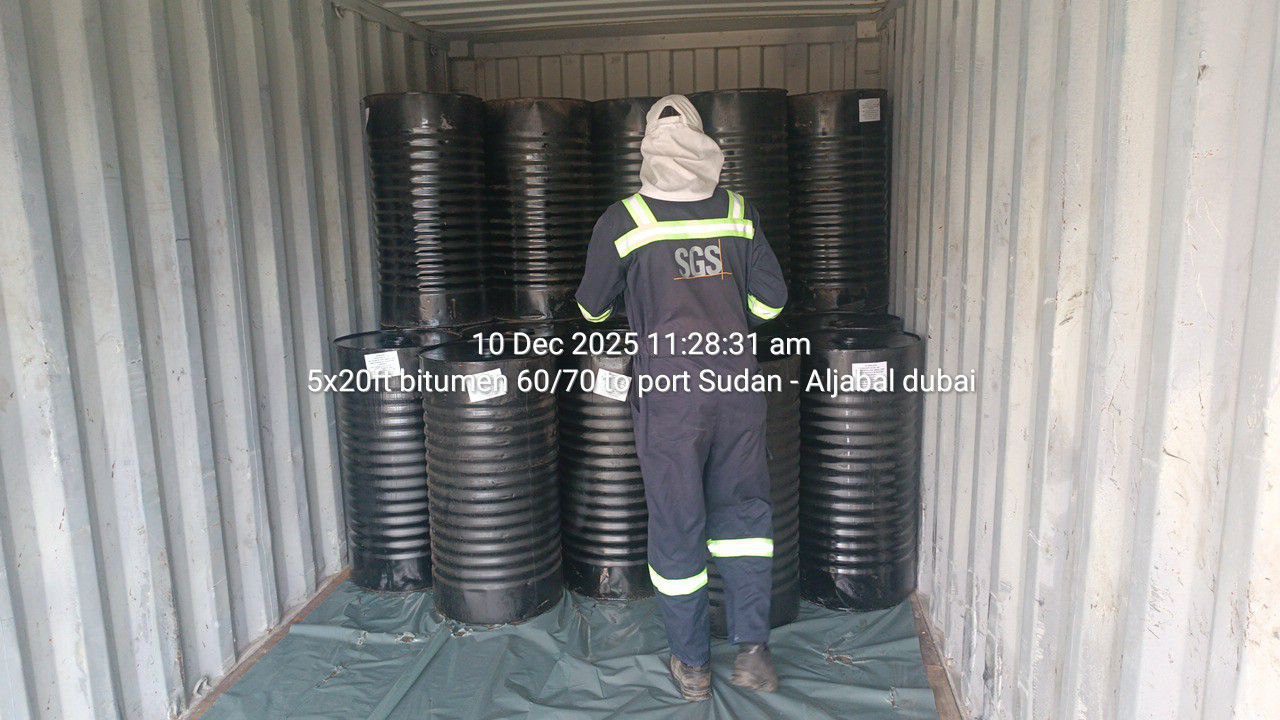
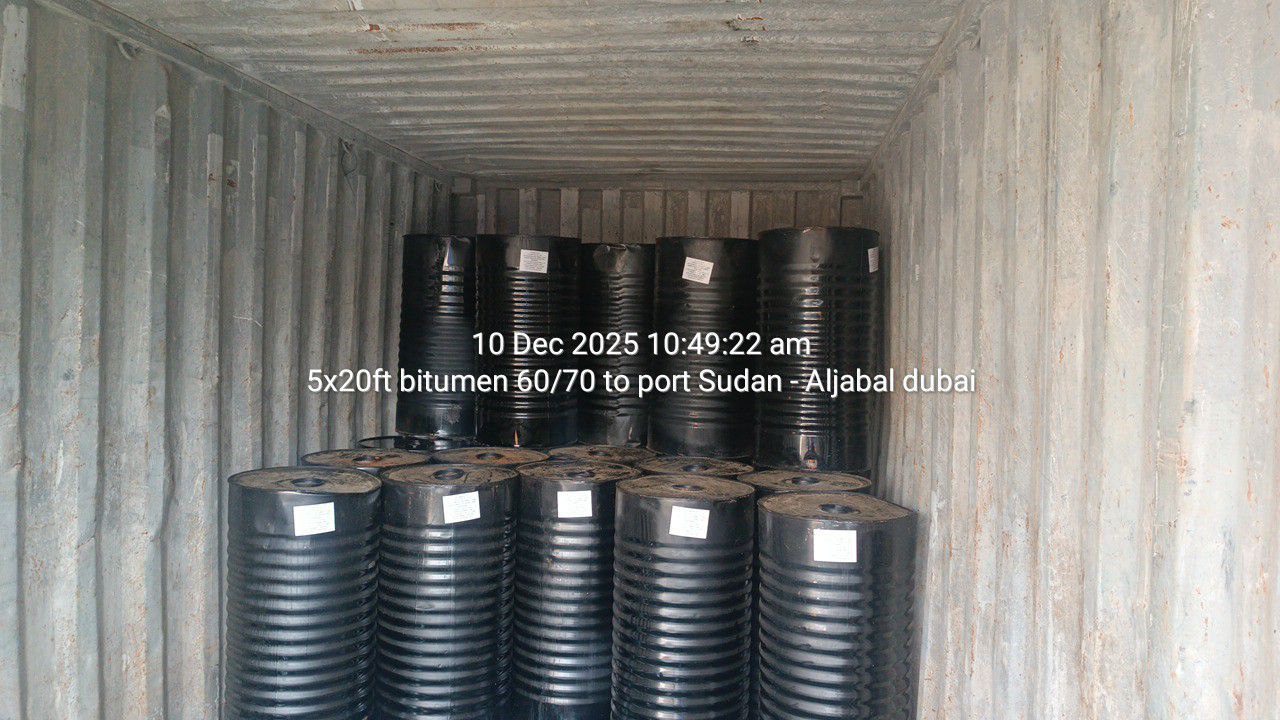
The shipment consisted of six 20-foot containers, each optimized for weight distribution and ease of handling. This configuration allows efficient port operations and minimizes transit risks.
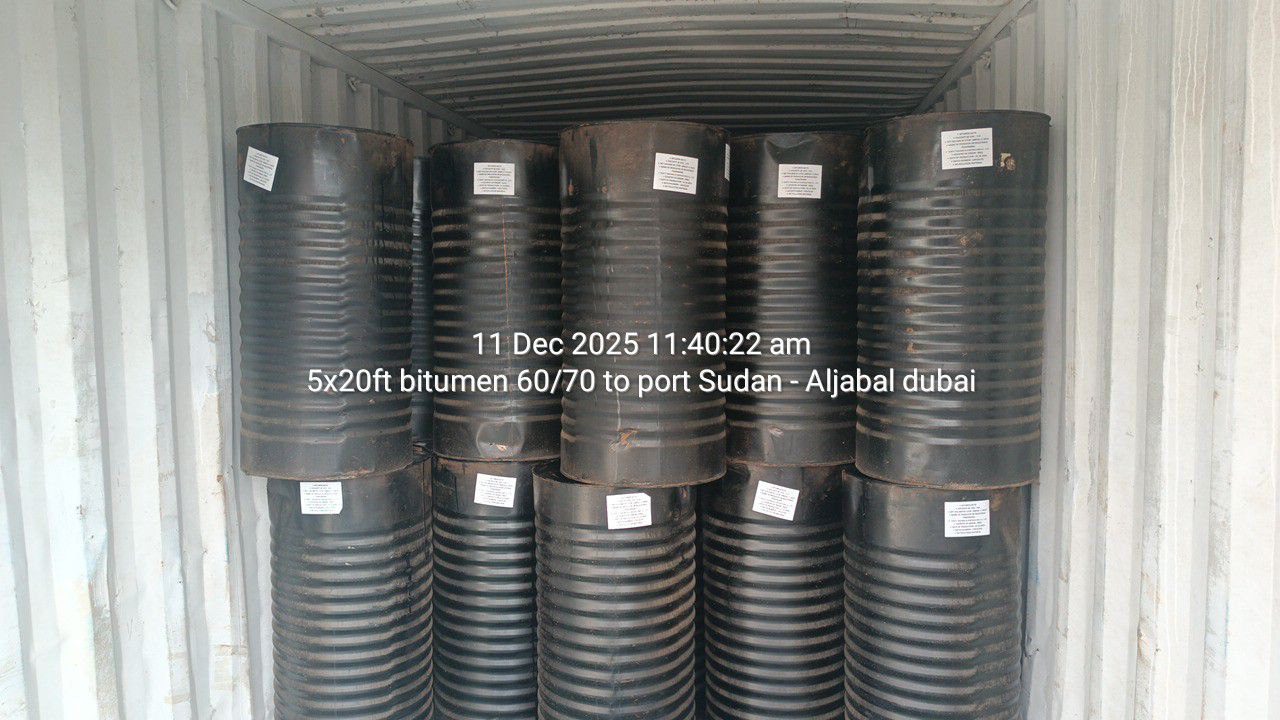
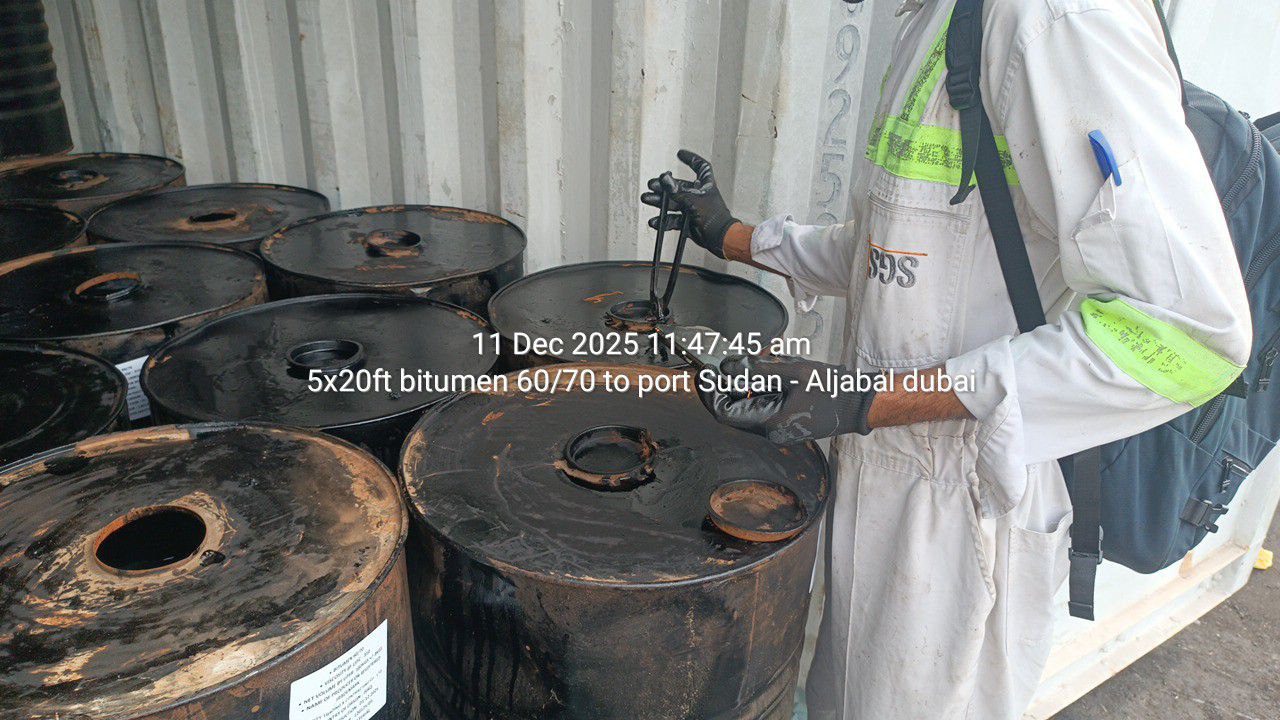
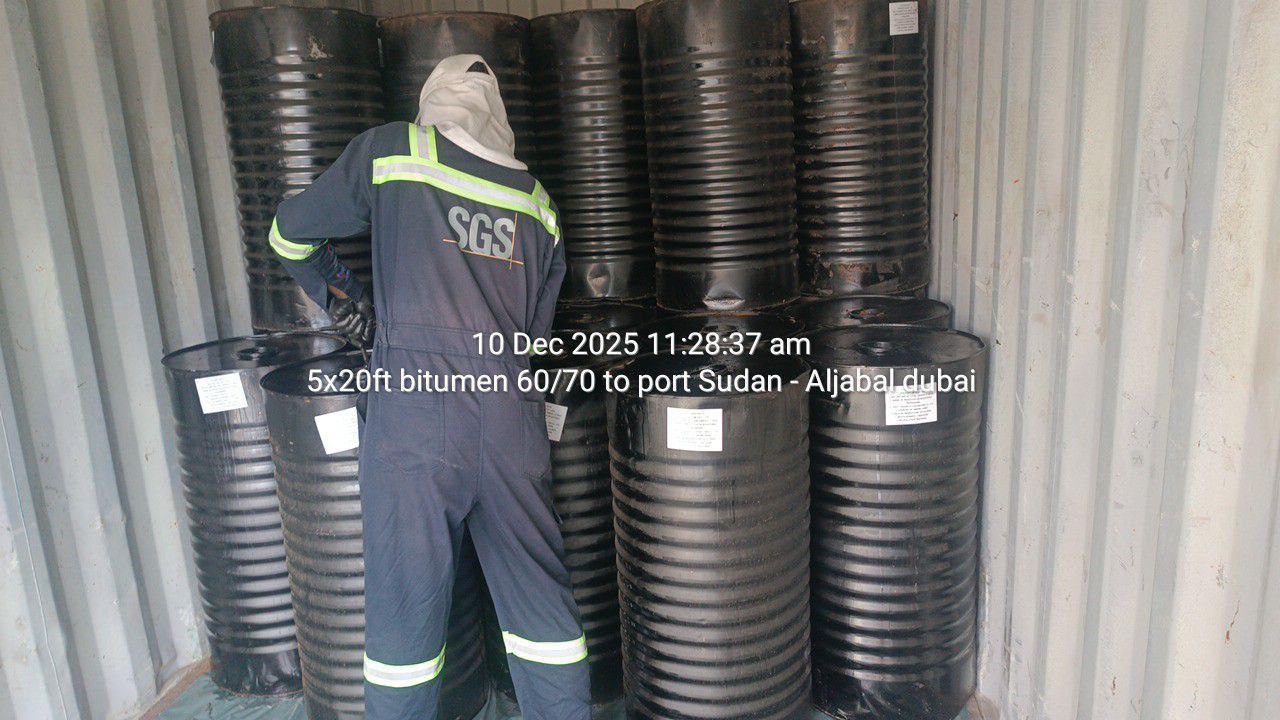
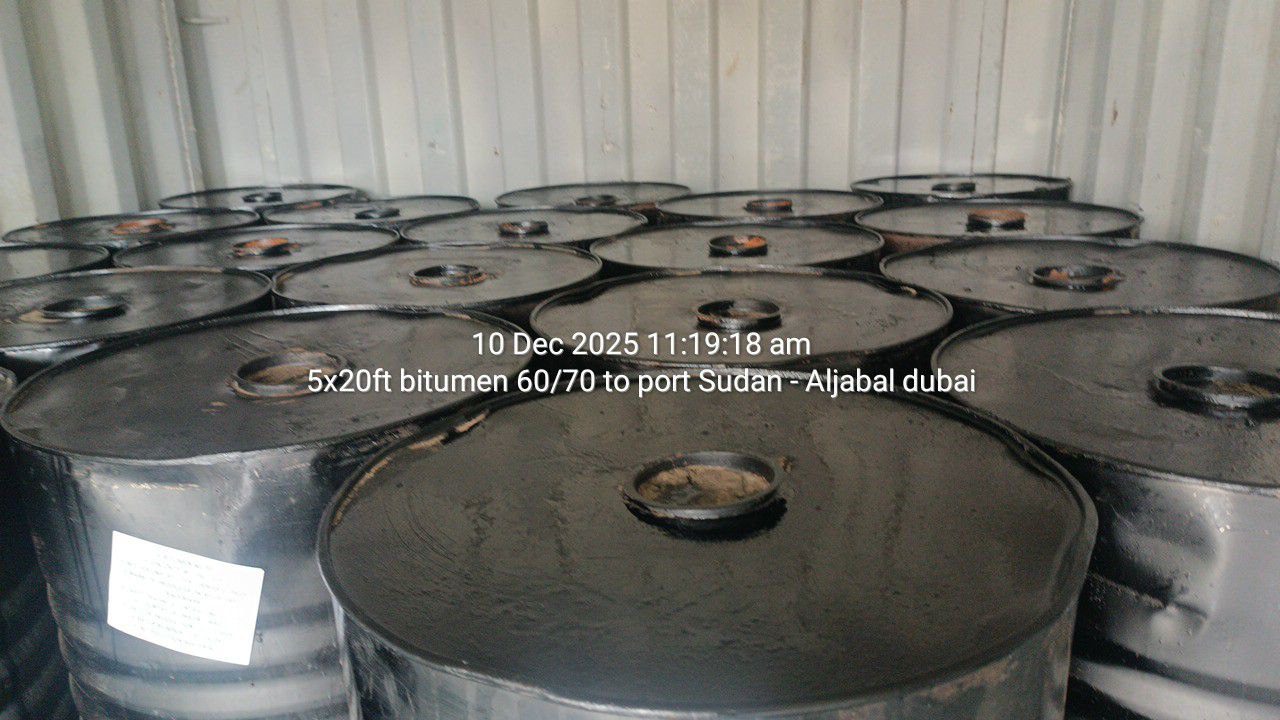
Bitumen was packed using industry-standard steel drums and/or jumbo bags, ensuring zero leakage and maximum safety.
Temperature control and proper sealing were critical. After all, bitumen behaves differently when it’s too hot or too cold—like chocolate left in the sun.
December was chosen strategically to align with project timelines in Sudan and favorable shipping windows in the Red Sea corridor.
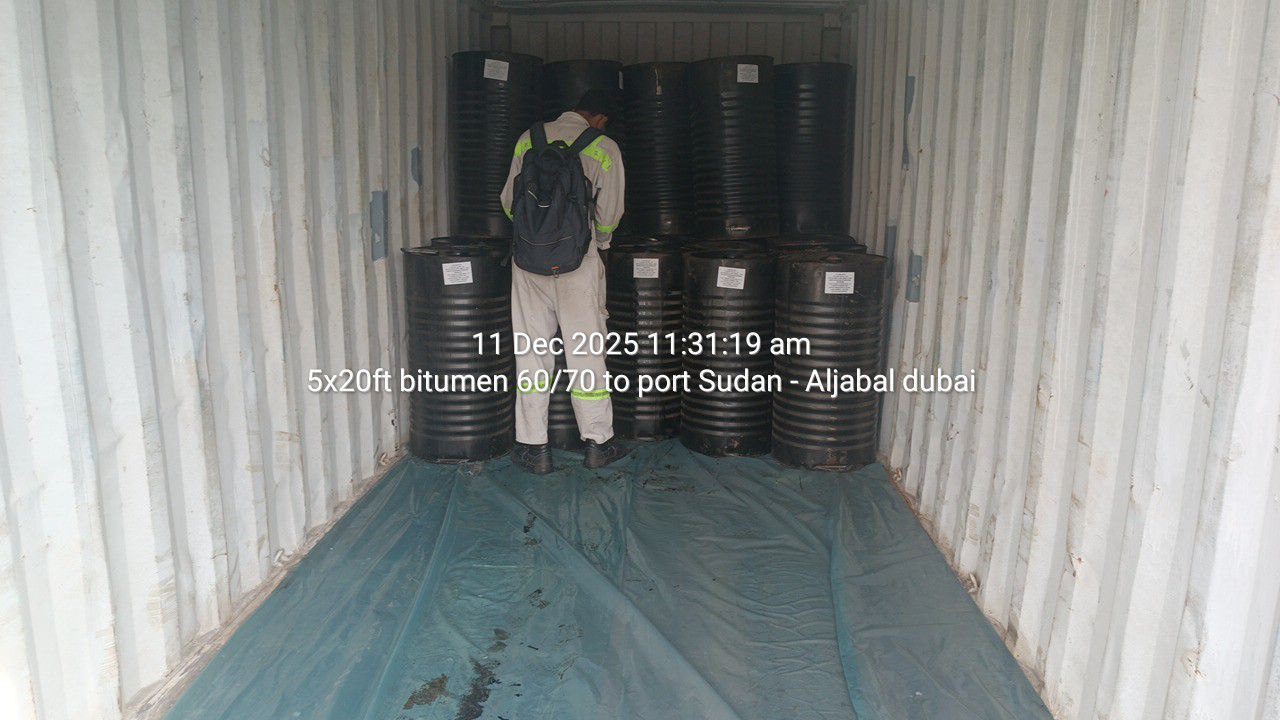
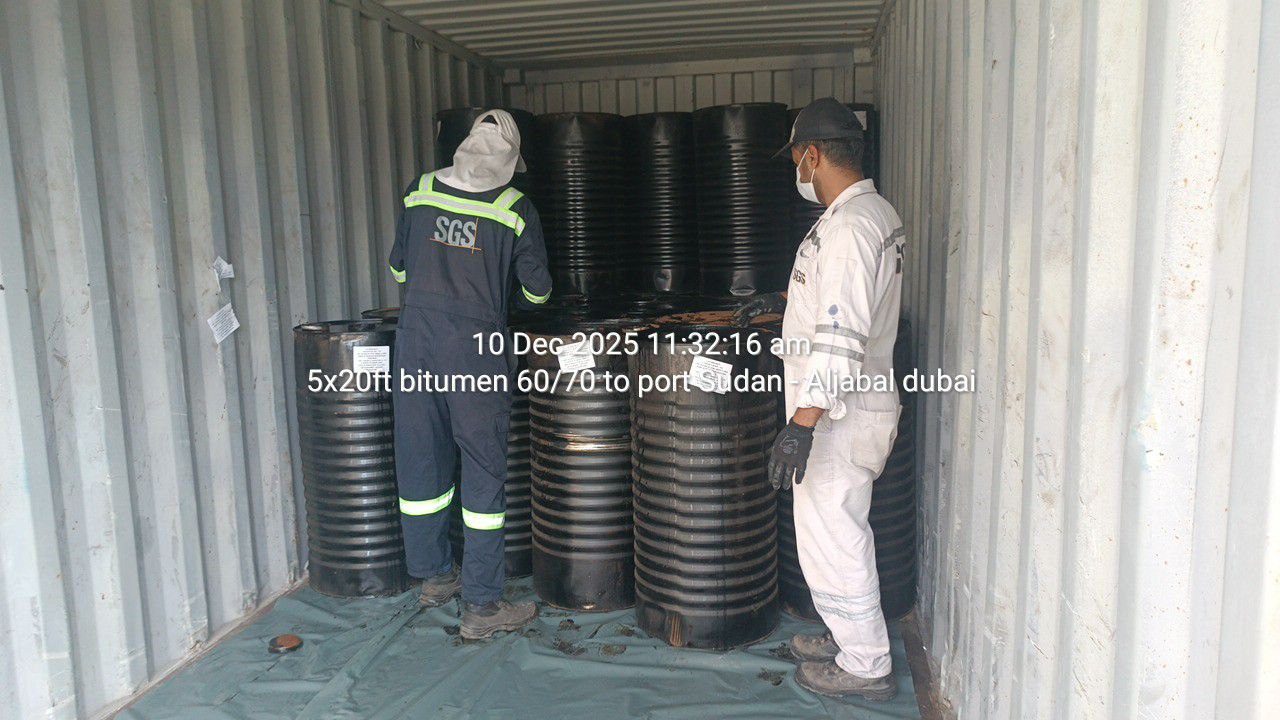
Every container underwent inspection, with full documentation including:
The shipment complied fully with international export regulations, ensuring smooth customs clearance at both ends.
The containers were transported via secured trucking routes to the port of loading, minimizing delays and handling risks.
The sea route across the Red Sea was selected for its efficiency and reliability, balancing cost and transit time.
Insurance coverage, real-time tracking, and contingency planning formed a solid safety net throughout the journey.
Port Sudan is Sudan’s primary maritime gateway, handling the majority of the country’s imports and exports.
Its strategic location connects Africa to the Middle East and Asia, making it a vital node in regional logistics.
Equipped with container terminals and bulk handling facilities, Port Sudan is well-suited for bitumen imports.
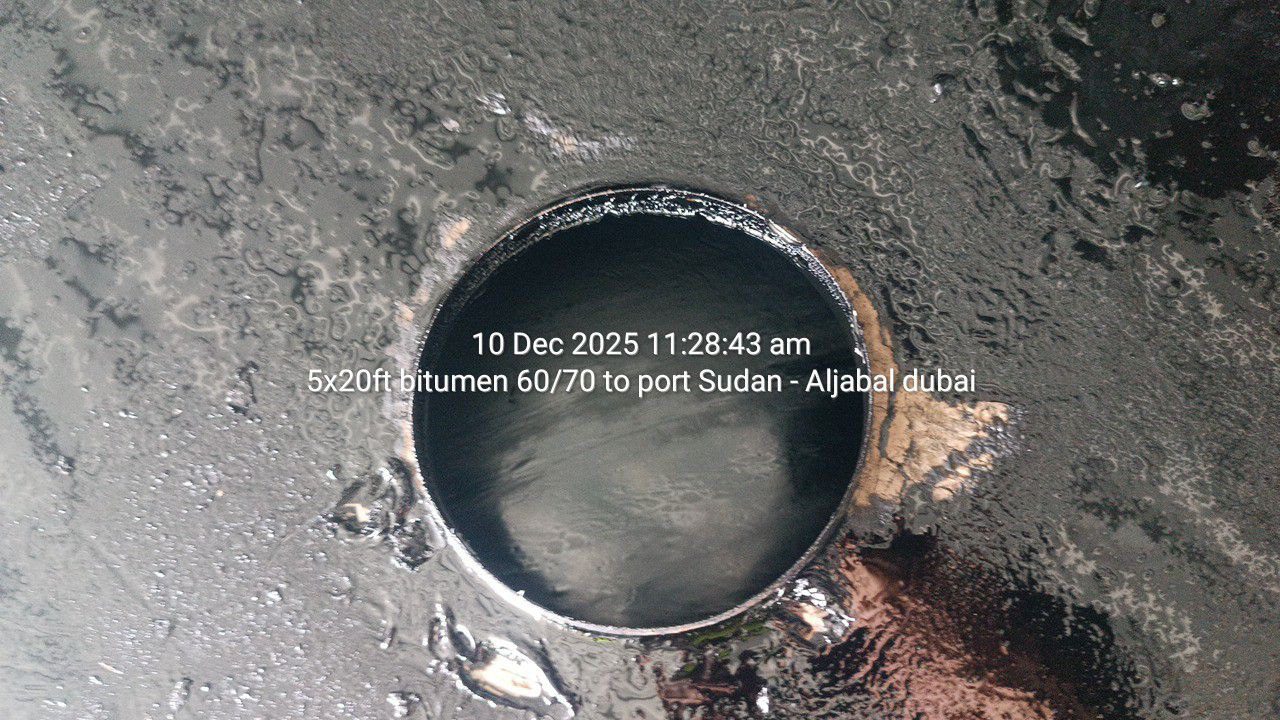
Quality checks were conducted at production, packaging, and pre-shipment stages.
Independent lab tests confirmed compliance with ASTM standards for Bitumen 60/70.
From factory gate to port discharge, strict protocols ensured the bitumen arrived in perfect condition.
The transaction was governed by a clear sales contract outlining quantity, quality, delivery terms, and liabilities.
Standard Incoterms were applied, ensuring transparency in cost and risk allocation.
Key stakeholders included Aljabal Holding, shipping agents, port authorities, and the Sudanese importer.
Spill prevention, waste management, and emissions control were prioritized throughout the operation.
Personnel involved adhered to strict safety protocols, including PPE usage and emergency preparedness.
Aljabal Holding continues to adopt cleaner logistics and responsible sourcing practices.
The export strengthened Aljabal Holding’s market position and reinforced client confidence.
The imported bitumen supports road construction, directly contributing to economic development.
Improved infrastructure boosts trade, mobility, and long-term growth across the region.
Port congestion and weather variability were key challenges, addressed through proactive scheduling.
Price volatility was mitigated via forward contracts and flexible pricing strategies.
Backup routes and alternative vessels were identified in advance.
On-time delivery, quality compliance, and cost control were the primary KPIs—and all were met.
Client feedback was positive, highlighting product quality and delivery reliability.
Continuous improvement remains a core focus, with insights applied to future shipments.
Aljabal Holding plans to increase export volumes to East Africa and the Red Sea region.
The Port Sudan shipment opens doors for repeat contracts and strategic alliances.
Growing infrastructure investment signals steady demand for Bitumen 60/70 in coming years.
The export of 6 x 20 ft containers of Bitumen 60/70 to Port Sudan in December 2025 stands as a successful example of meticulous planning, quality assurance, and logistical excellence by Aljabal Holding. From production to delivery, every step reflected a commitment to reliability and long-term partnership. In a world where infrastructure fuels progress, this shipment played its part—quietly, efficiently, and effectively.
It is primarily used in road construction and asphalt paving projects.
Due to its strategic location and strong infrastructure for handling imports.
A total of six 20-foot containers were exported.
ASTM international standards for Bitumen 60/70 were applied.
Yes, future shipments and long-term cooperation are actively planned.
This website uses cookies.