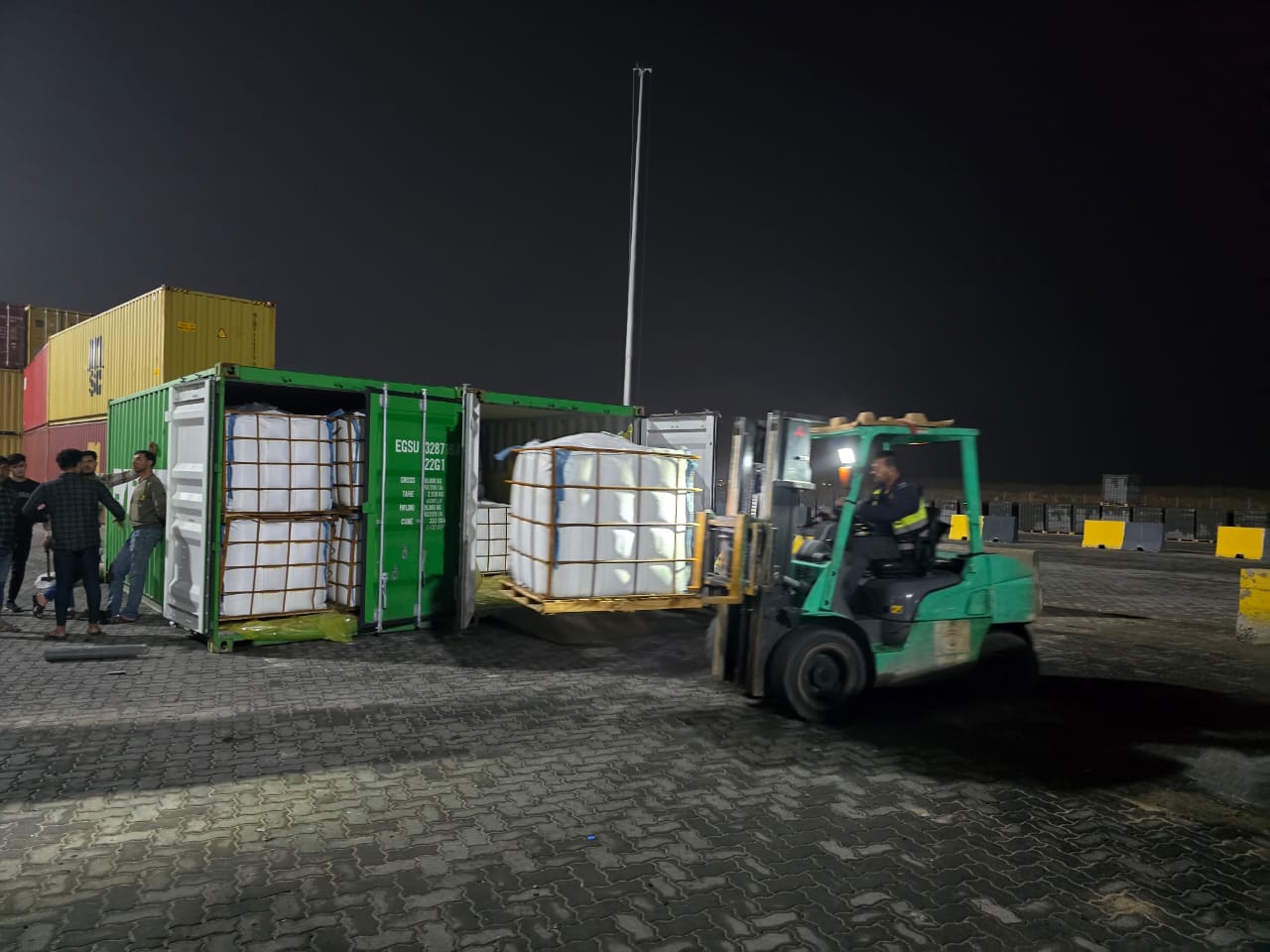
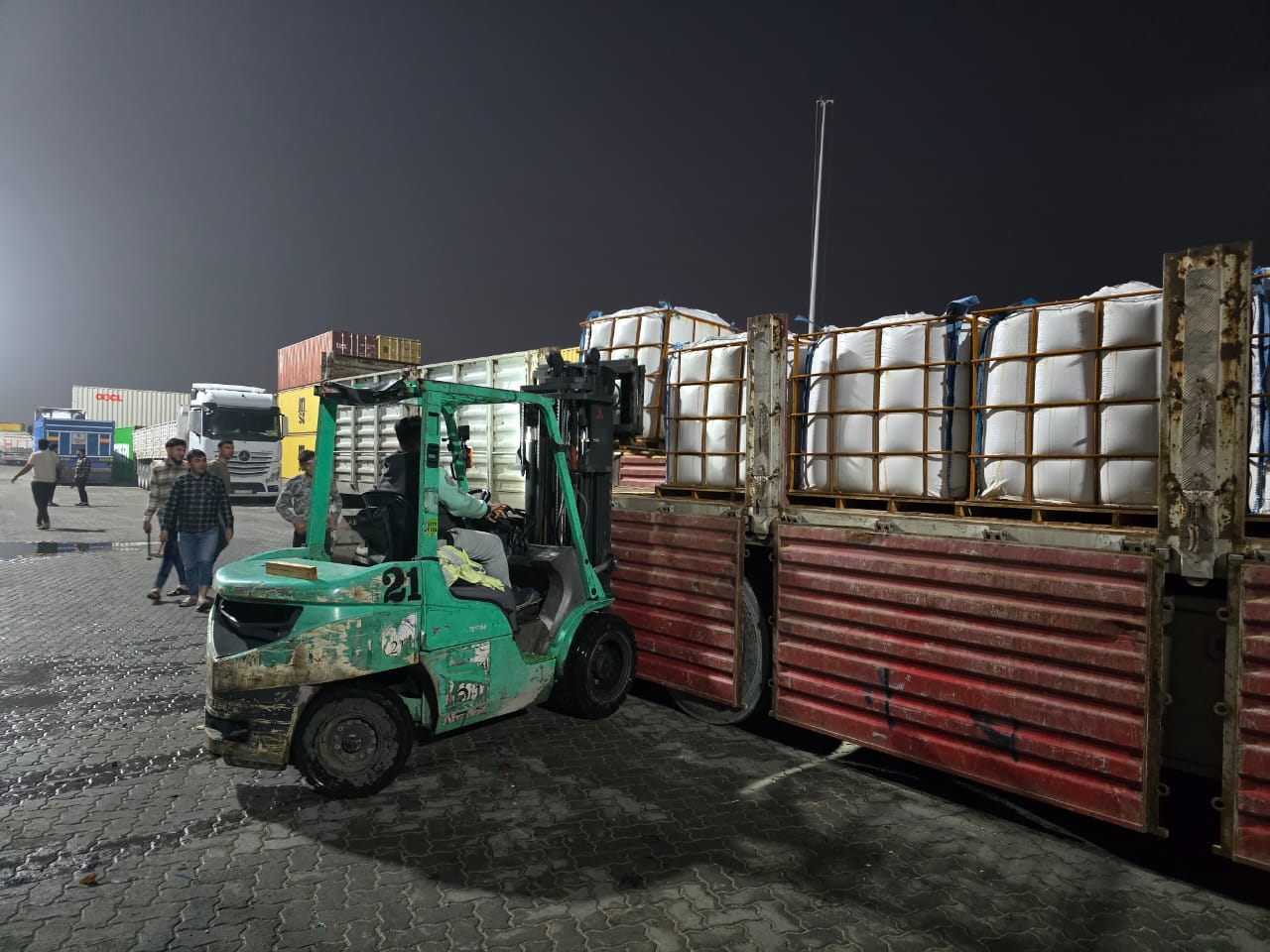
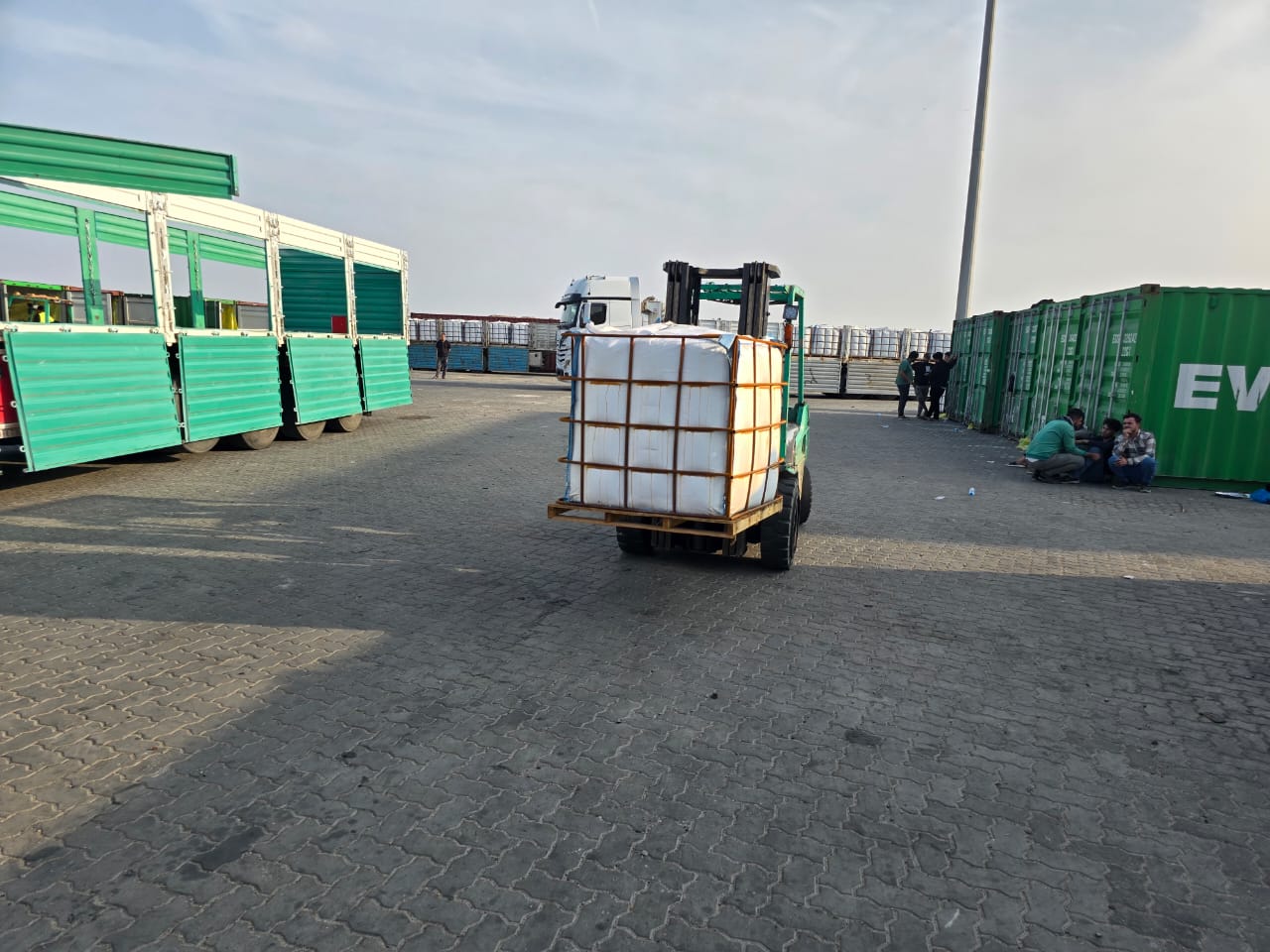
If roads could talk, they’d probably say one thing: quality matters. In December 2025, a major milestone was achieved in the Middle Eastern–Southeast Asian construction supply chain with the successful export of high-quality Bitumen 60/70 from Iraq to Malaysia. This wasn’t just another shipment—it was a carefully planned, technically sound, and market-driven operation led by Aljabal Holding.
Why does this matter? Because infrastructure doesn’t forgive shortcuts. When you’re paving highways under tropical rain and heavy traffic, you need materials that perform, not just promise.
Bitumen 60/70 is one of the most widely used penetration-grade bitumen types in the world. Think of it as the “workhorse” of road construction—flexible enough to handle stress, yet strong enough to resist deformation. In countries like Malaysia, where high temperatures and humidity are the norm, this grade hits the sweet spot between durability and flexibility.
Timing is everything. December 2025 was chosen deliberately to align with Malaysia’s infrastructure planning cycles and favorable shipping conditions. It also allowed Iraqi producers to leverage stable production output before year-end, ensuring consistent quality and on-time delivery.
The Iraq–Malaysia route is gaining momentum as a reliable energy and construction materials corridor. Iraq’s abundant bitumen resources, combined with Malaysia’s growing infrastructure needs, create a natural partnership.
Aljabal Holding acted as the project integrator—coordinating production, quality control, packaging, logistics, and delivery. Instead of fragmented responsibilities, the entire process was managed as one continuous pipeline, reducing risks and delays.
Bitumen 60/70 is classified by its penetration value, which indicates hardness. It offers excellent adhesion to aggregates and strong resistance to wear.
A penetration value between 60 and 70 (measured at 25°C) means the bitumen is neither too hard nor too soft—ideal for road surfaces exposed to moderate to high temperatures.
In Malaysia’s climate, Bitumen 60/70 maintains flexibility without bleeding, ensuring longer pavement life and reduced maintenance costs.
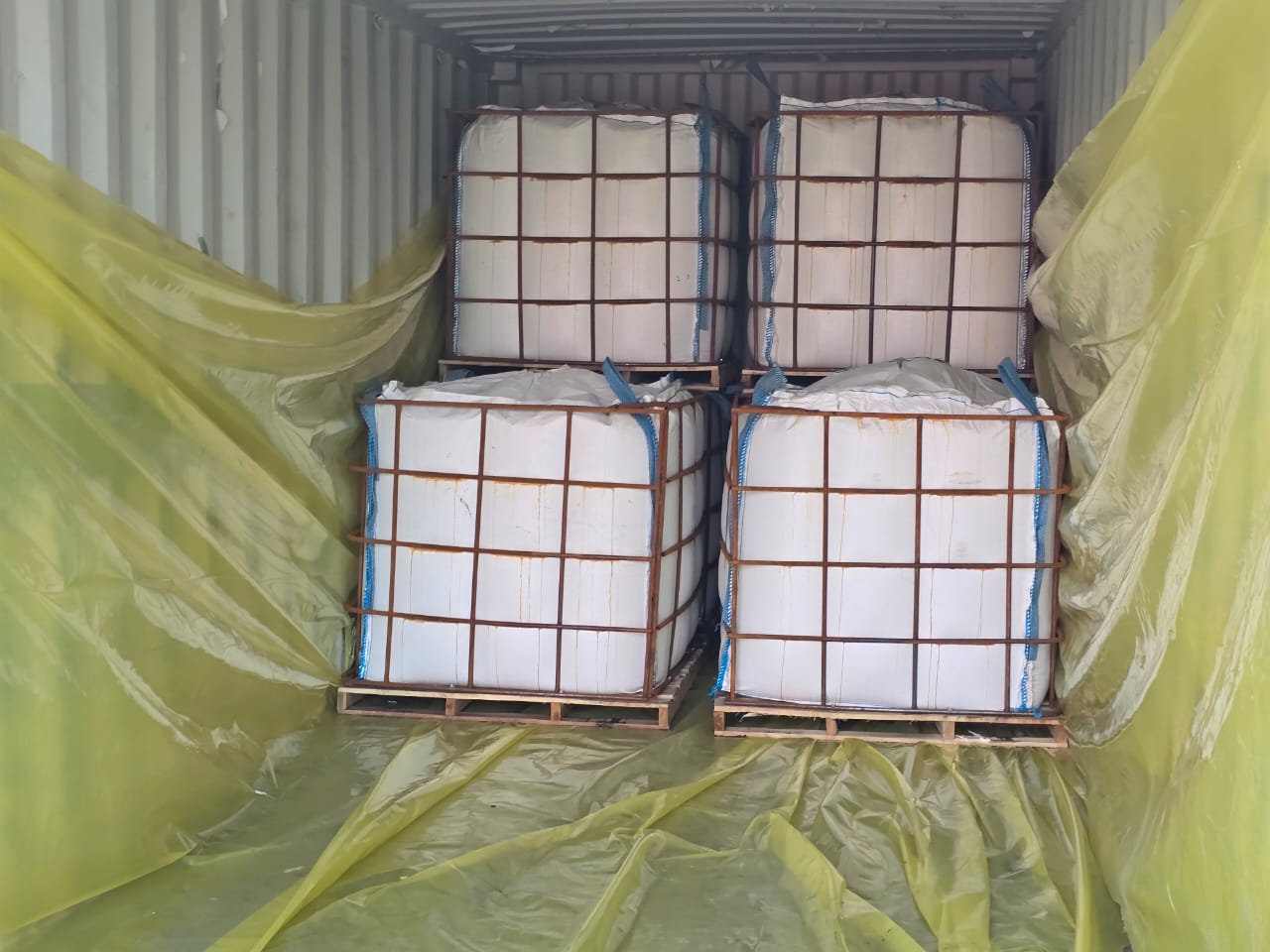
Traditional steel drums have their place, but jumbo bags are changing the game—especially for bulk exports.
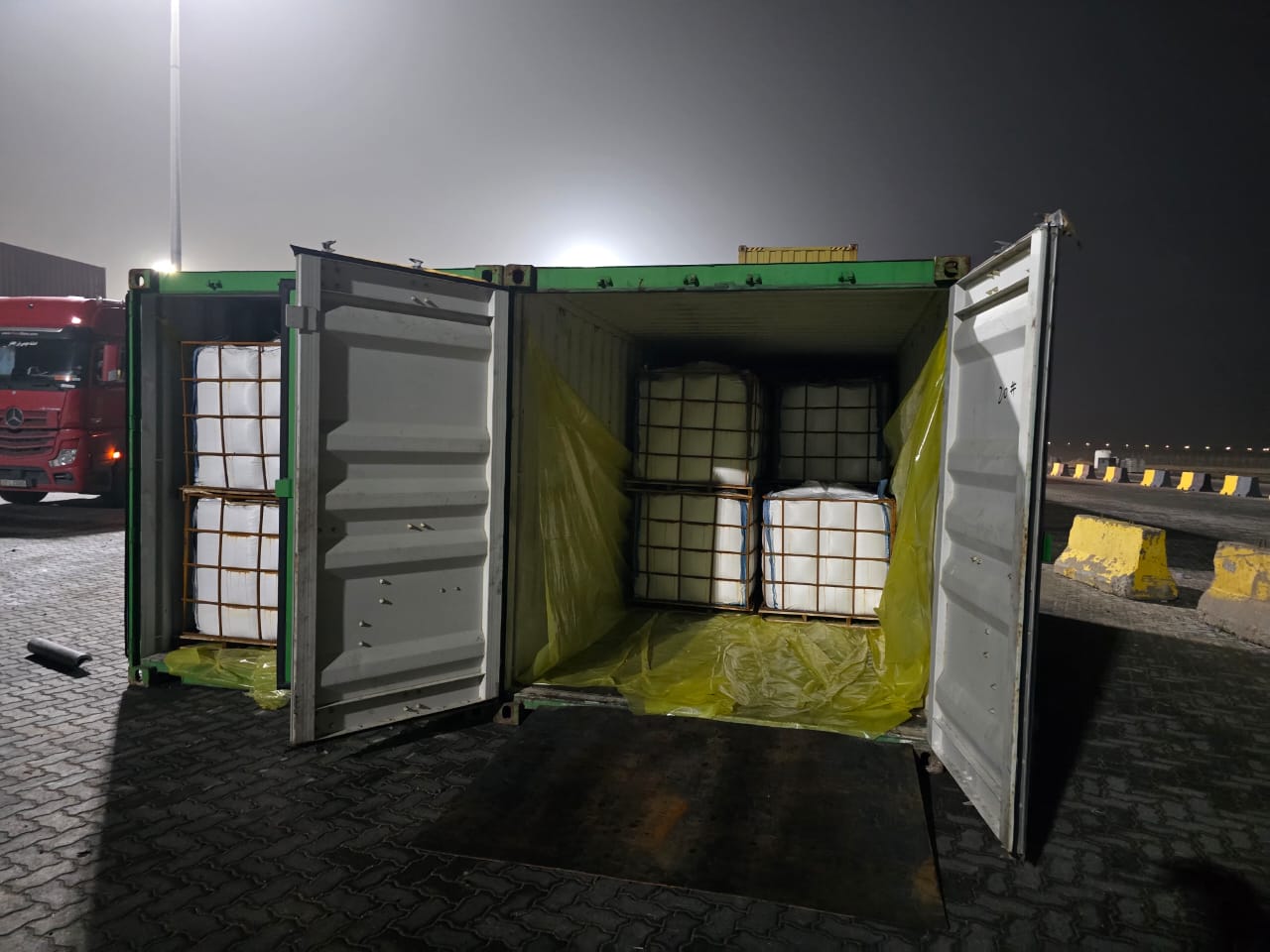
Jumbo bags reduce packaging costs, optimize container space, and lower handling expenses at ports.
Fewer steel drums mean less waste. Jumbo bags are easier to manage, store, and dispose of responsibly.
The bitumen used in this shipment was sourced from well-established Iraqi refineries known for consistent penetration grades and low impurity levels.
Every batch underwent rigorous testing, including penetration, softening point, ductility, and loss-on-heating tests. Only material meeting international standards was approved for export.
The jumbo bags used were heat-resistant, leak-proof, and designed specifically for hot bitumen filling.
Strict temperature control during filling and reinforced liners ensured zero leakage during transit—a critical factor for long-distance shipping.
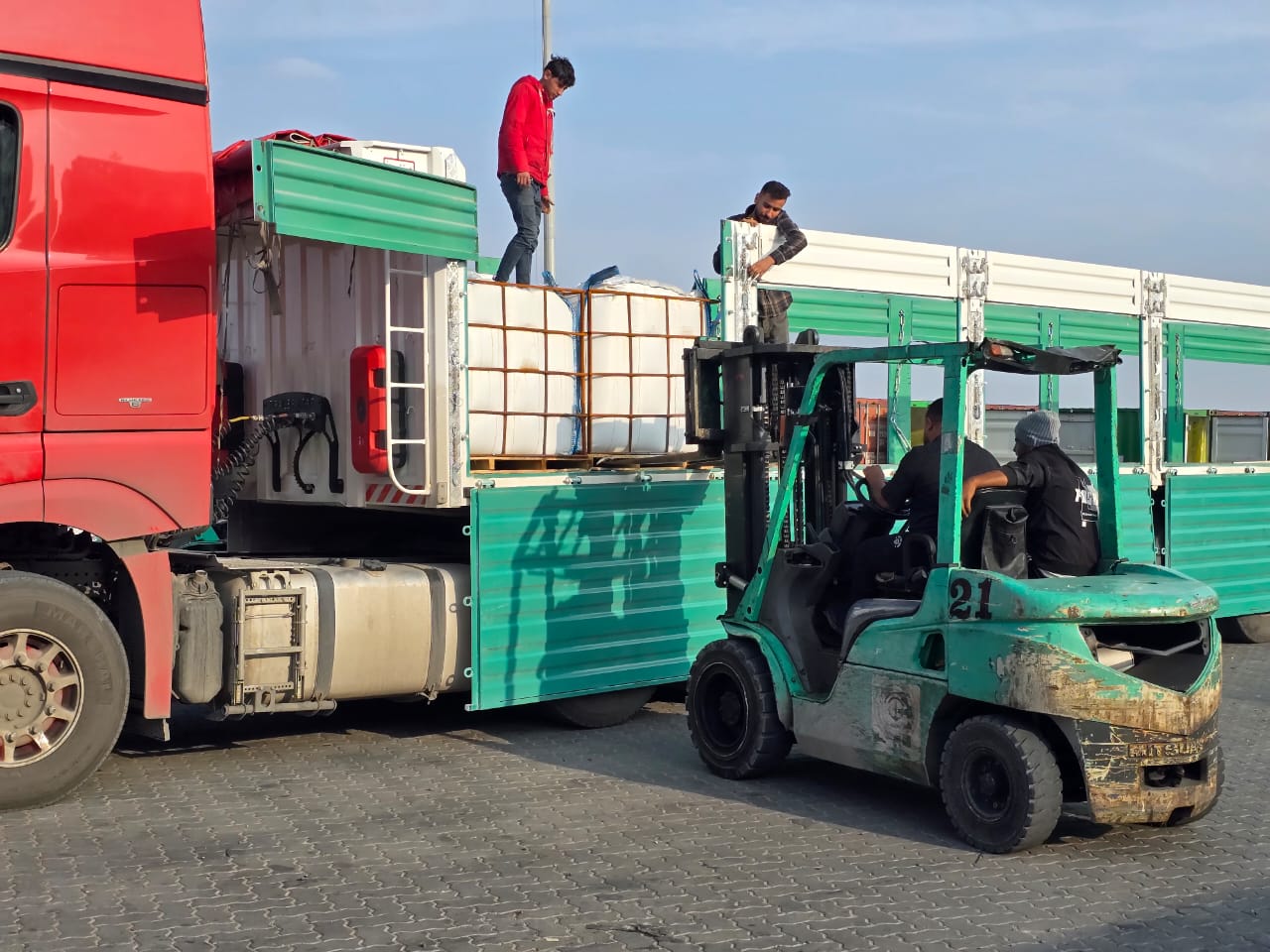
From refinery to port, the cargo moved via secured inland transport with real-time monitoring to avoid delays.
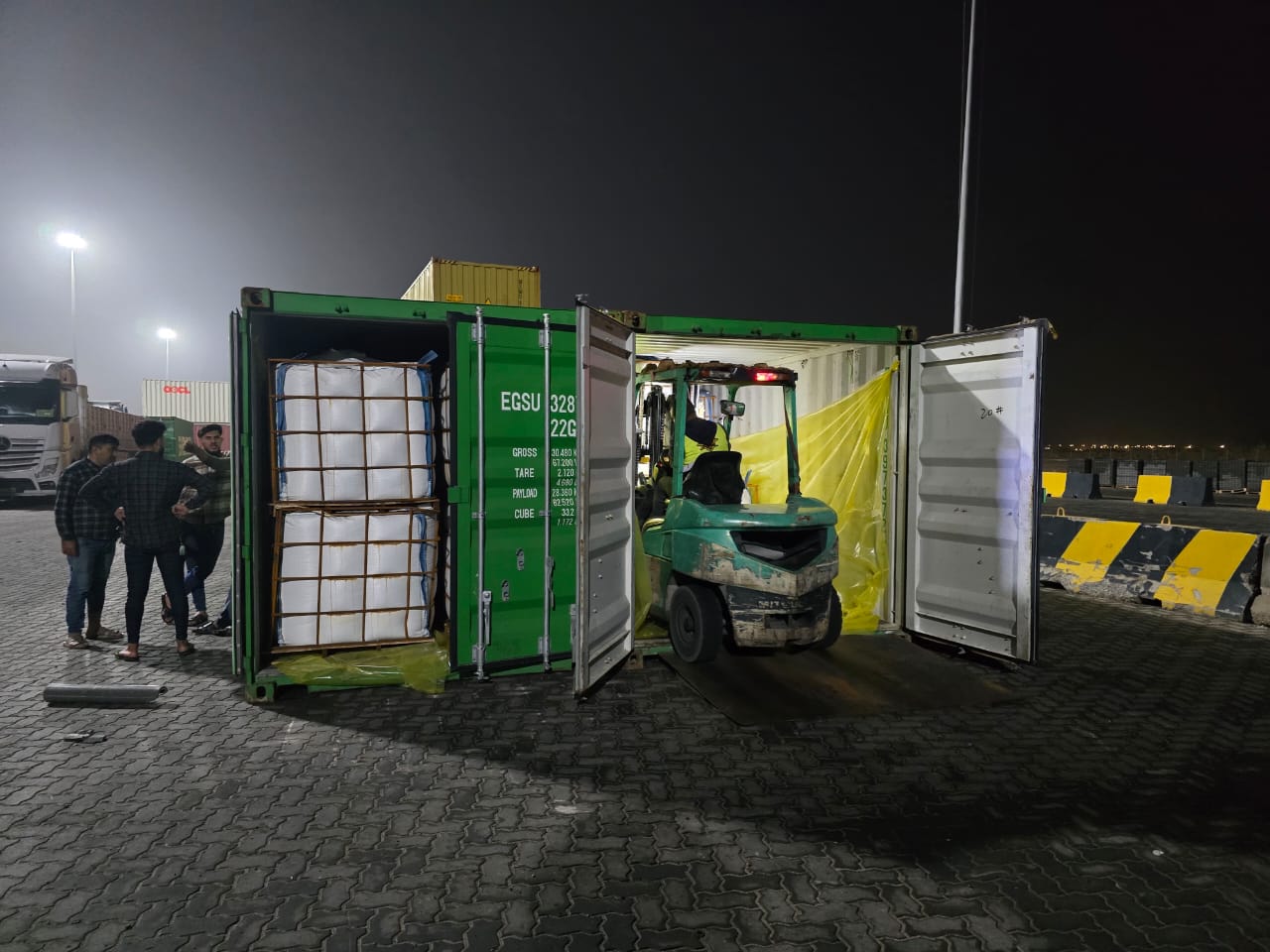
Once at port, containers were loaded efficiently to minimize dwell time.
Optimized sea routes ensured timely arrival, even during peak shipping season.
All required documents—including Certificate of Origin, Quality Certificate, Packing List, and Bill of Lading—were prepared in advance to ensure smooth clearance.
Compliance with Malaysian standards and customs regulations ensured hassle-free import and immediate onward distribution.
The shipment arrived at a major Malaysian port equipped for bulk construction materials.
From port to project site, distribution was handled swiftly, allowing contractors to begin work without delays.
With ongoing highway upgrades and urban development, demand for reliable bitumen remains strong.
Buyers benefited from consistent quality, competitive pricing, and dependable delivery—no nasty surprises, no delays.
Compared to drums, jumbo bags significantly cut down on packaging waste.
Efficient loading and reduced material waste translated into lower overall emissions.
Coordinating multiple stages across borders is never simple. Proactive planning and local partnerships kept things moving.
Temperature-controlled handling ensured the bitumen arrived in perfect condition, ready for use.
The shipment met all technical and commercial benchmarks—on time, on spec, and on budget.
Feedback from Malaysian clients highlighted product consistency, clean packaging, and professional coordination.
This shipment reinforced trust and opened doors for long-term supply agreements.
Success in December 2025 positioned Aljabal Holding as a preferred supplier for future projects in Southeast Asia.
The December 2025 export of Bitumen 60/70 in jumbo bags from Iraq to Malaysia wasn’t just a shipment—it was a statement. A statement about quality, reliability, and smart logistics. By combining high-grade Iraqi bitumen with efficient packaging and end-to-end coordination, Aljabal Holding delivered real value to the Malaysian market. And if infrastructure is about building paths to the future, this project laid down a pretty solid one.
Because it performs exceptionally well in tropical climates, offering durability without excessive softening.
Lower costs, reduced waste, easier handling, and better container utilization.
Through comprehensive laboratory testing and strict quality control at the source.
Yes. It offers excellent quality-to-price ratio and consistent performance.
Based on the success of this project, further exports to Malaysia and the region are highly likely.
This website uses cookies.