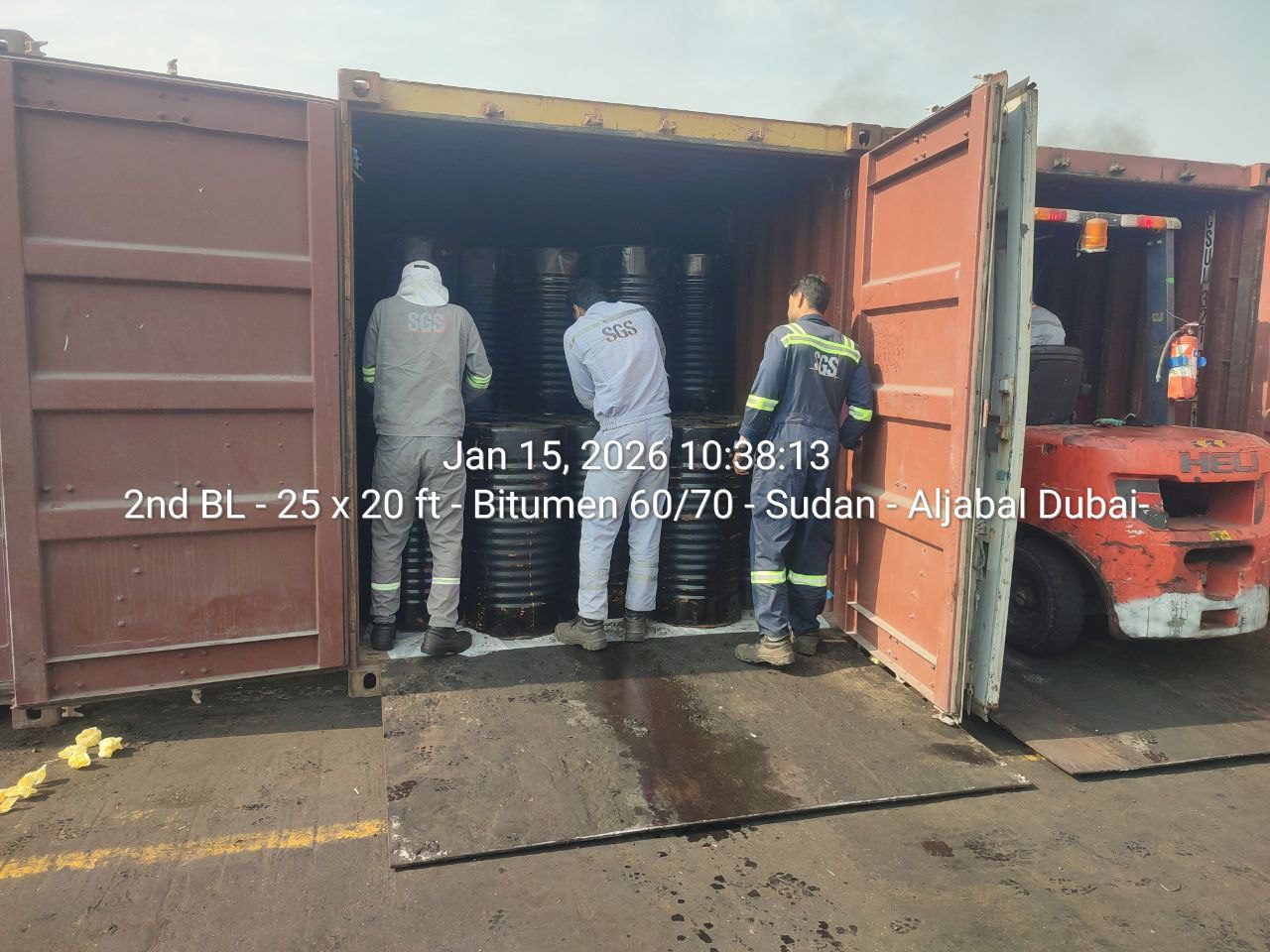
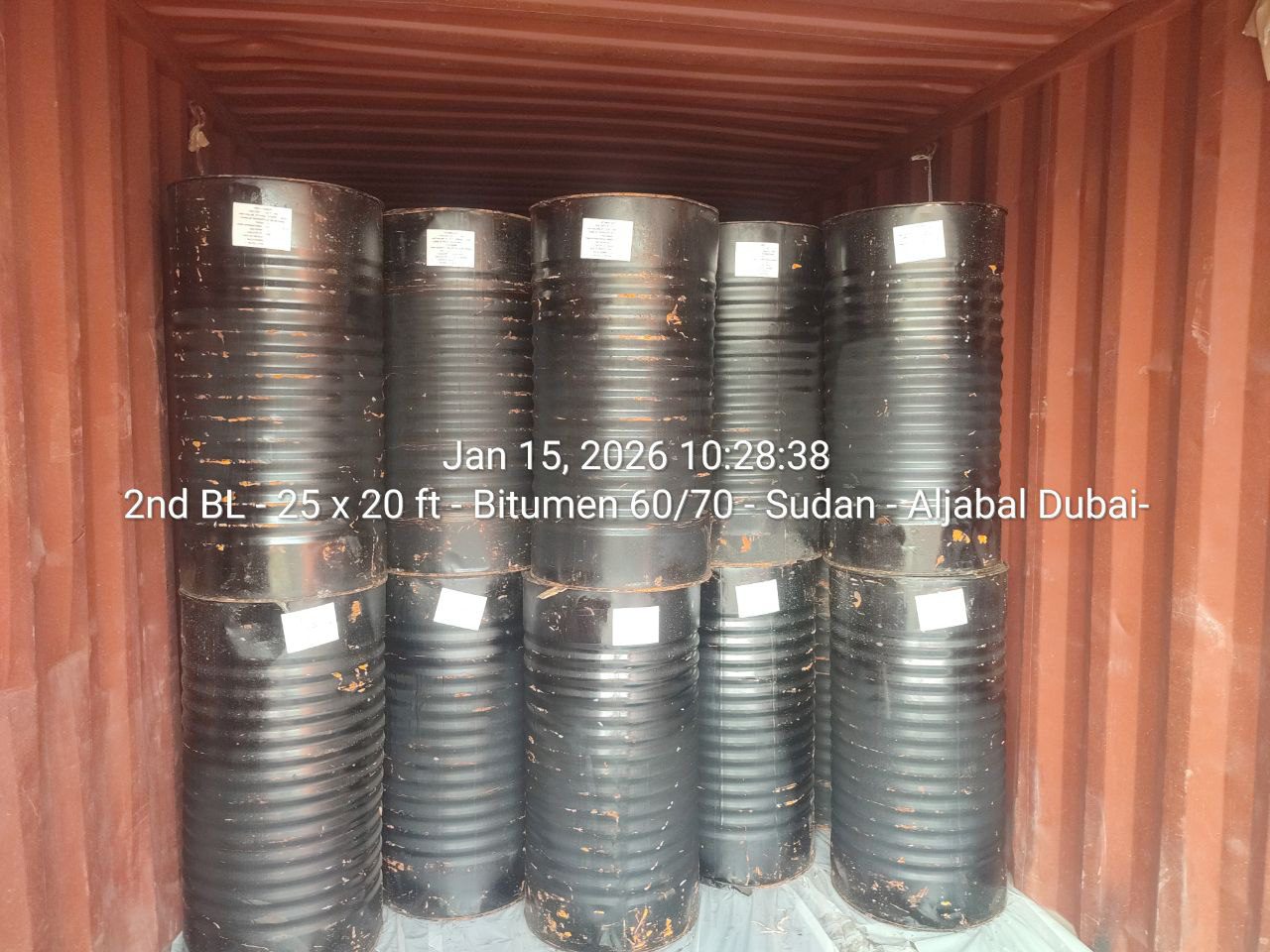
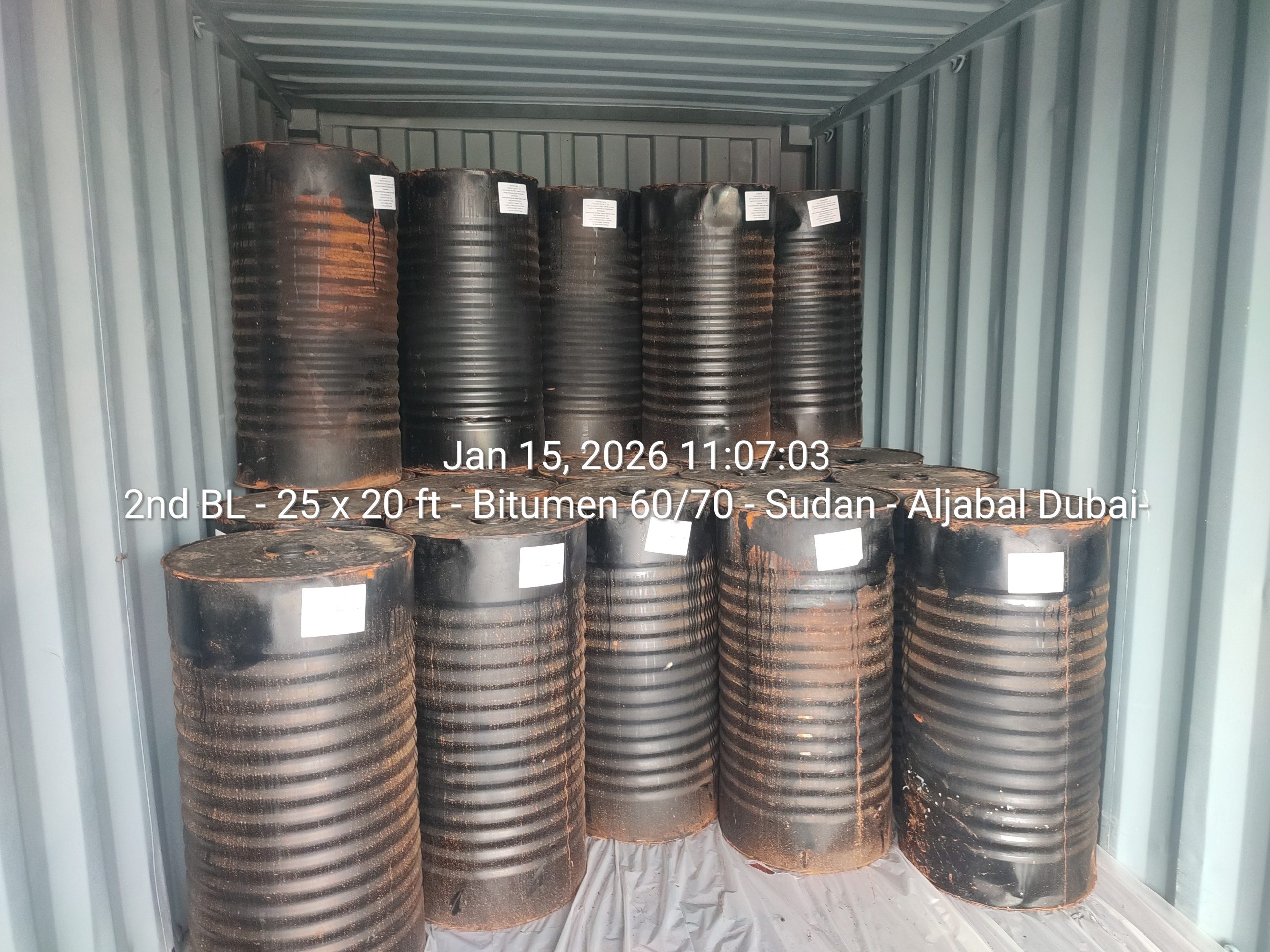
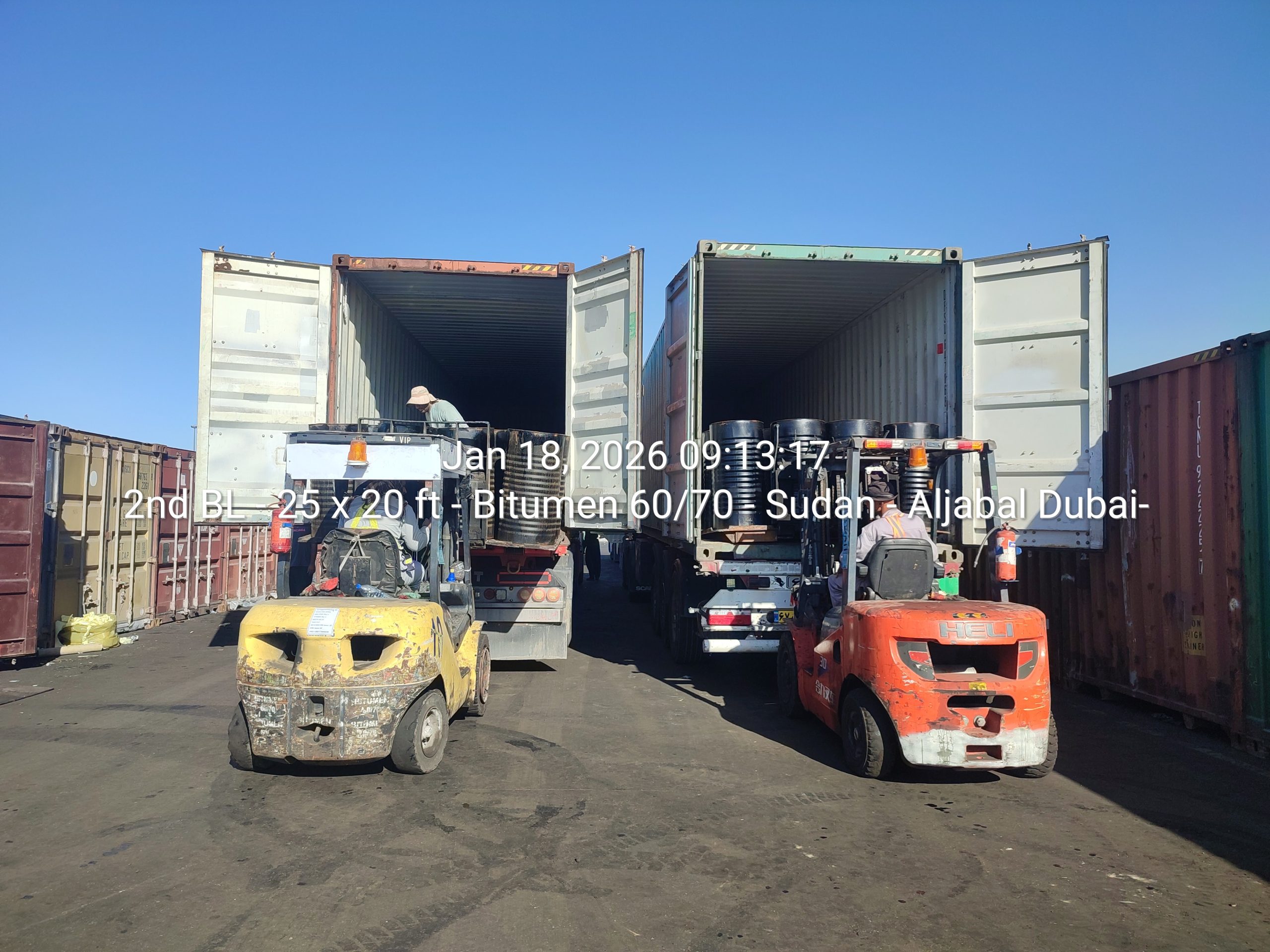
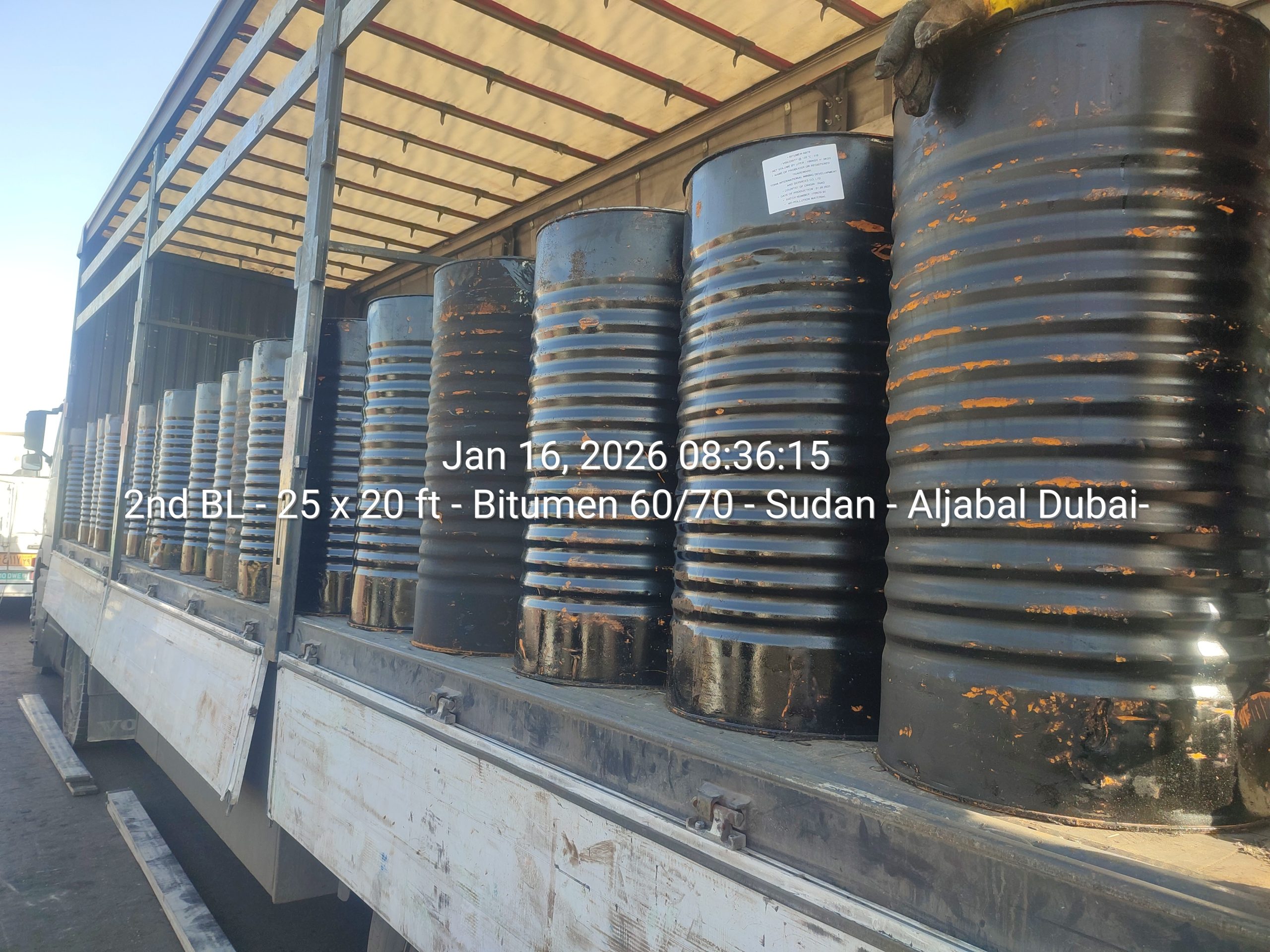
In January 2026, AlJabal Holding successfully continued its strategic operations in the African market with a significant shipment of Bitumen 60/70 to Sudan. The second part of this shipment—comprising 25 containers, each 20 feet in size—marked a major milestone for the company’s supply chain in East Africa. This report dives into the core details of the shipment, highlighting its significance, logistical handling, quality control, and the strategic value of the Sudanese market for industrial-grade bitumen.
This wasn’t just a logistics move; it was a calculated step to reinforce long-term partnerships, ensure supply continuity, and support the booming infrastructure development taking place across Sudan. Let’s unpack the essential elements of this shipment in greater detail.
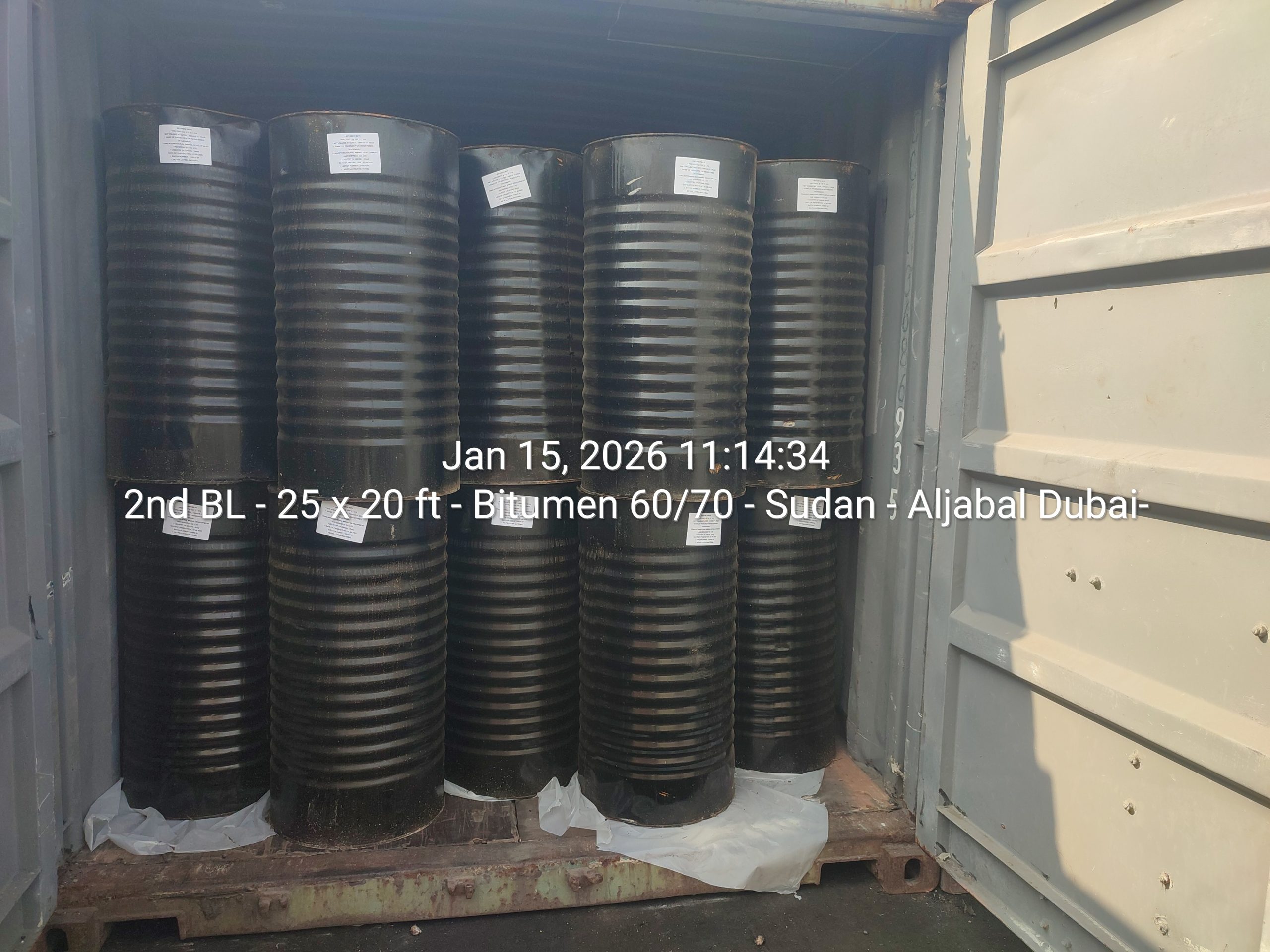
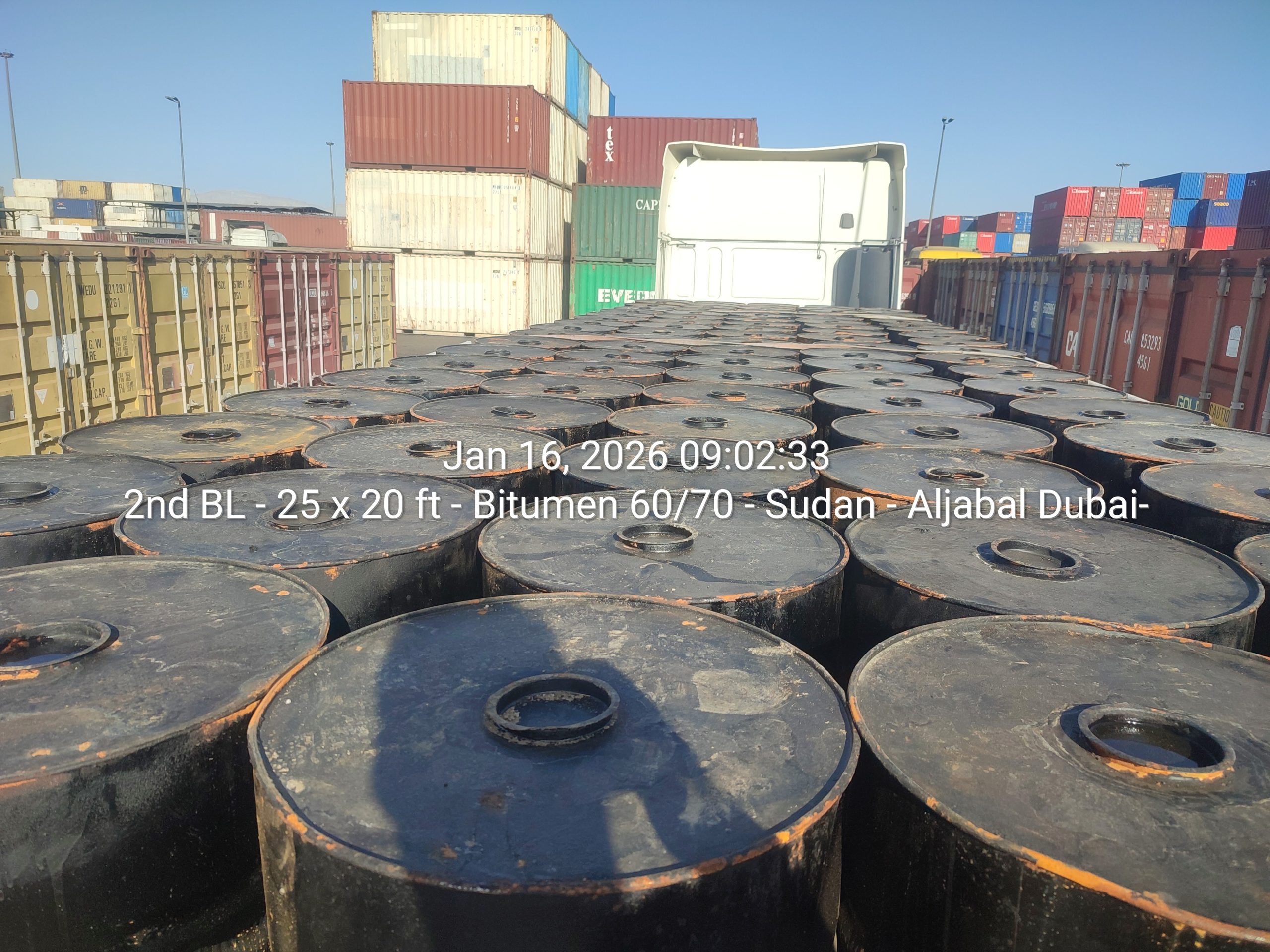
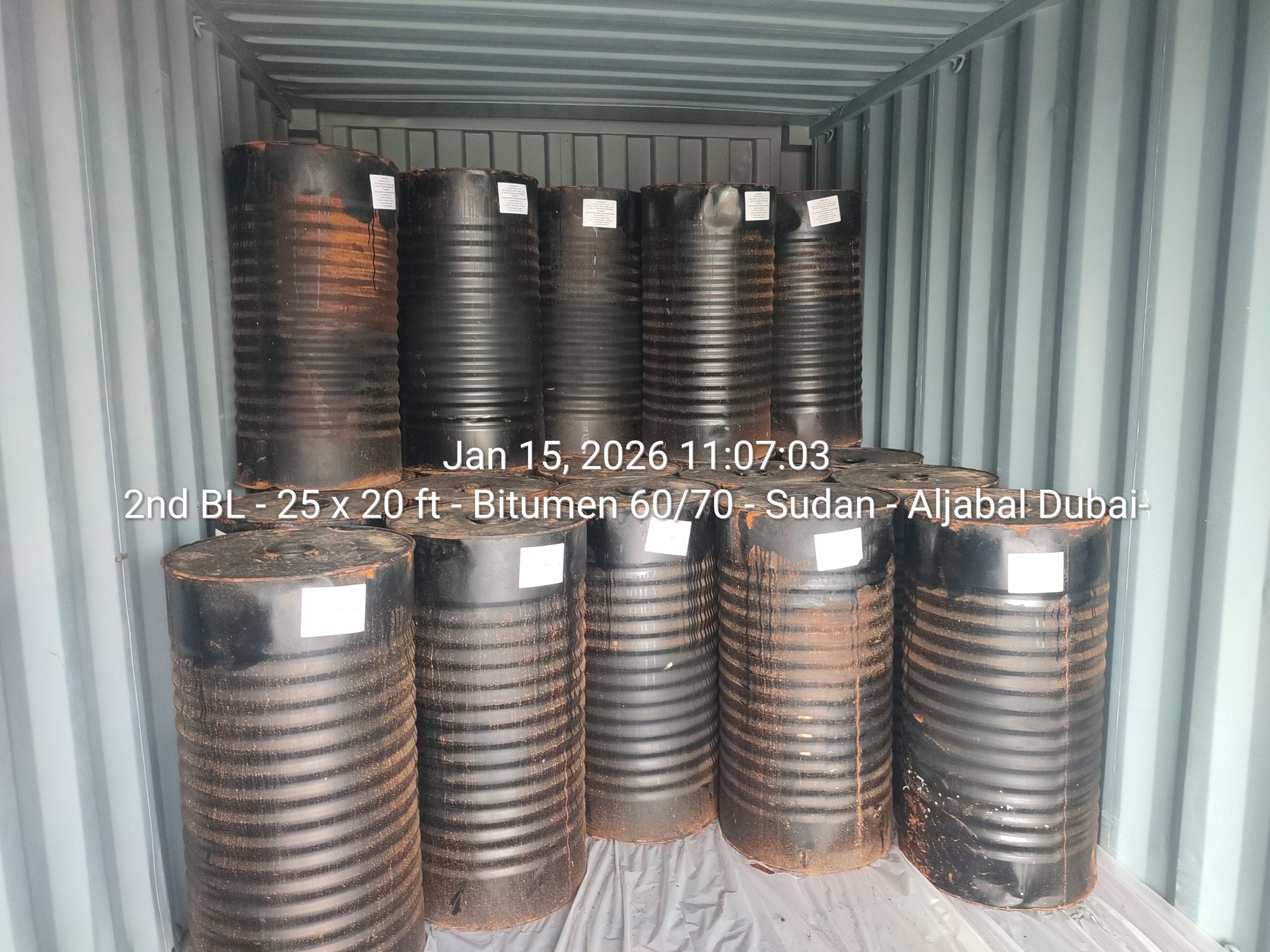
The shipment in question consisted of 25 x 20-foot containers filled with penetration grade Bitumen 60/70, an industry-standard material used primarily in road construction and waterproofing. Each container was filled with drums of bitumen, adhering to international packing standards.
The consignee was a Sudan-based civil engineering group engaged in highway projects financed by both government and private investors. The final destination was Port Sudan, with inland transport arranged to Khartoum and adjoining development sites.
This shipment is a continuation of a phased delivery, making it the second segment of a multi-batch supply agreement signed in late 2025 between AlJabal Holding and Sudanese infrastructure agencies.
AlJabal Holding is a leading exporter and distributor of petrochemical products, especially bitumen and industrial lubricants. Based in the UAE, the company has established a firm foothold in the African, Middle Eastern, and Southeast Asian markets.
With over two decades of expertise, AlJabal has earned a reputation for reliability, compliance, and quality assurance. Its clientele ranges from government-backed infrastructure projects to multinational construction firms—making it a trusted name in the global bitumen trade.
Bitumen 60/70 refers to the penetration grade bitumen used in paving applications. The numbers indicate the penetration range (60 to 70 deci-millimeters) at standard conditions, representing a balance between softness and hardness—ideal for road surfacing under moderate climates.
Its durability, cost-efficiency, and performance under varying temperatures make it a staple for infrastructure development in developing economies like Sudan.
The complete shipment consisted of 200 containers, delivered in four parts. The second part—highlighted in this report—accounted for 25 containers containing approximately 500 metric tons of Bitumen 60/70.
Each 20-foot container held 200 drums, with each drum carrying 180 kg of bitumen. This configuration ensures optimum weight distribution and efficiency during sea and inland transport.
Standard 20-foot containers were chosen due to their compatibility with most port handling systems in Sudan and optimal cost-to-volume ratio. Each container complied with ISO 668 standards.
Drums were made of new steel with anti-rust coating, heat-sealed, and labeled according to international hazardous goods transport protocols.
The shipment was dispatched from Jebel Ali Port, Dubai, which is a key logistics hub for outbound goods to Africa. This port was selected due to its high-frequency vessel schedules to the Red Sea.
The second shipment was loaded on January 12, 2026, and sailed under Bill of Lading No. AJH-BIT-2026-02. AlJabal used a bulk and container shipping combination to optimize freight cost and schedule adherence.
The shipment arrived at Port Sudan on January 24, 2026. This port serves as the country’s primary maritime gateway and has the facilities to handle containerized petrochemical imports.
The vessel adhered to its 12-day sea transit window. Inland transport took an additional 4 days, reaching the final delivery sites by January 28, 2026.
A multimodal transport system was used, involving:
AlJabal collaborated with Maersk Logistics for ocean transport and Nile Transports Ltd. for inland freight within Sudan, ensuring a seamless supply chain experience.
All containers were pre-cleared through Sudanese customs using electronic submissions. Required documents included:
The shipment met all local regulations regarding hazardous materials and petroleum-based products. Import duties and VAT were pre-settled under a bonded arrangement to speed up clearance.
Samples from the bitumen shipment underwent lab tests both in Dubai and in Sudan. Parameters tested:
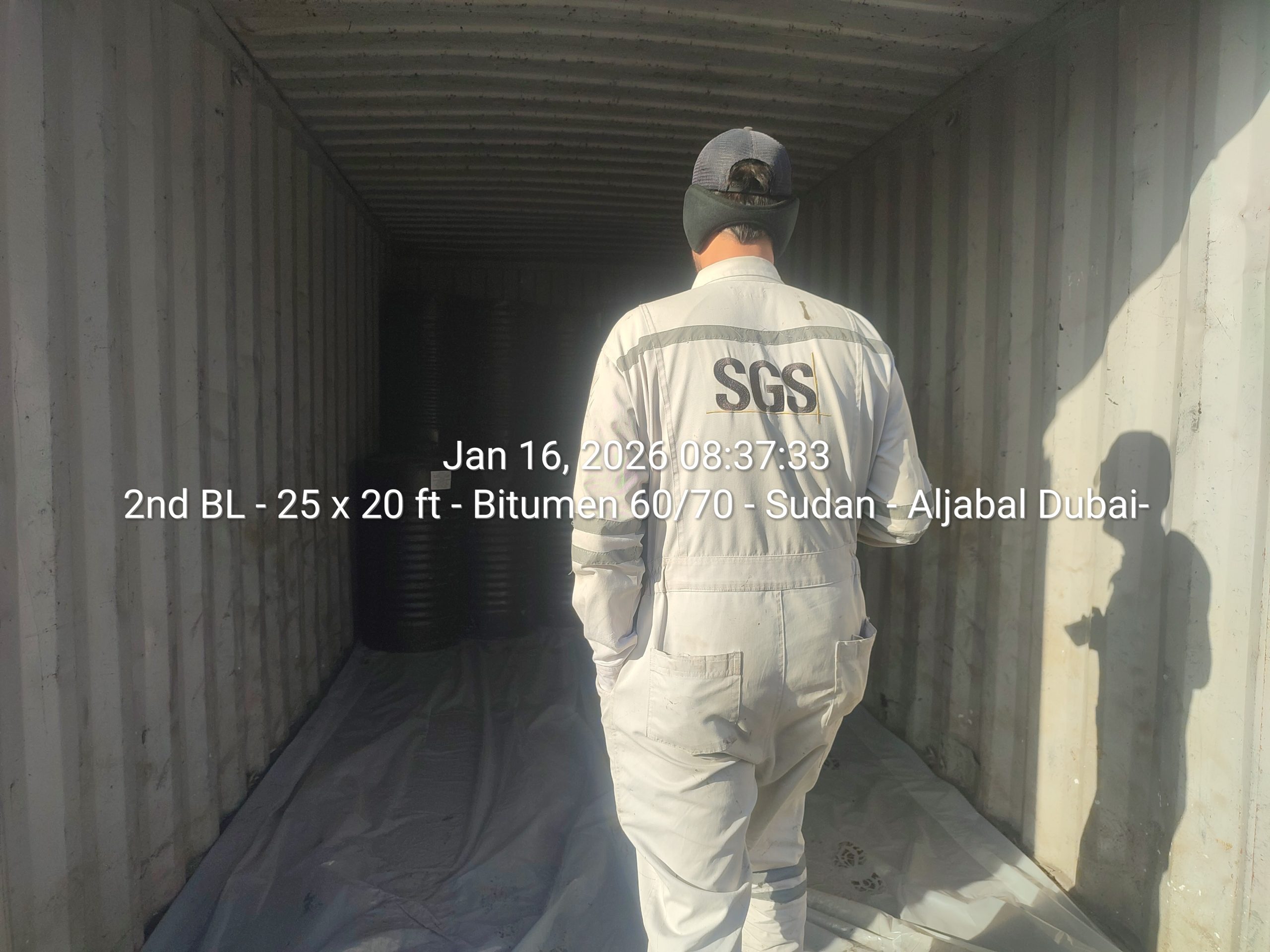
Third-party inspection was carried out by SGS Middle East, with a full Quality Certificate issued before departure. On-arrival inspections in Sudan confirmed consistency and compliance.
The bitumen was classified under HS Code: 27132000 — Petroleum bitumen. This classification is universally accepted and simplifies both export and import documentation.
Sudanese authorities use this HS code for tariff calculation and VAT assessment. Consistency in classification ensures transparency and prevents delays.
Despite economic hurdles, Sudan’s infrastructure sector is gaining momentum. Investment in roads, bridges, and housing has seen a surge due to regional development programs and foreign funding.
With thousands of kilometers of roads under rehabilitation or construction, the demand for bitumen in Sudan is expected to grow 8-12% annually over the next 5 years.
AlJabal Holding’s timely entry ensures it secures long-term supply contracts and expands its footprint in East Africa.
Sudan’s fluctuating political climate and currency issues present logistical and financial risks. However, AlJabal manages these through:
Use of third-party quality checks, bonded warehousing, and dedicated local agents minimizes potential disruptions.
Drums are recyclable and comply with green standards for petrochemical transport. AlJabal has phased out old plastic lining and transitioned to low-impact coating materials.
The company uses optimized routing, consolidated shipments, and participates in carbon offset programs, aligning with ESG goals.
Feedback from Sudanese project engineers and procurement officers emphasized:
A client noted: “AlJabal’s bitumen quality significantly reduced our asphalt processing time—truly reliable partners.”
The second installment of AlJabal Holding’s bitumen shipment to Sudan in January 2026 reinforces the company’s commitment to quality, timely delivery, and regional collaboration. As Sudan’s infrastructure needs continue to grow, strategic partnerships like these lay the foundation for long-term growth, sustainability, and mutual economic benefit.
1. What is the penetration grade of Bitumen 60/70 used for?
It is mainly used for road construction, offering a balanced blend of hardness and flexibility for various climates.
2. How many drums were in the second part of the shipment?
5,000 drums, each weighing 180 kg, spread across 25 containers.
3. Where did the shipment originate?
From Jebel Ali Port, Dubai, UAE.
4. How was the quality of the bitumen verified?
Through SGS-inspected lab tests and compliance certificates.
5. What makes AlJabal Holding a reliable supplier?
Consistent product quality, international certifications, efficient logistics, and customer-oriented service.
This website uses cookies.